





November 23, 2026

 Tim Douglas/Pexels
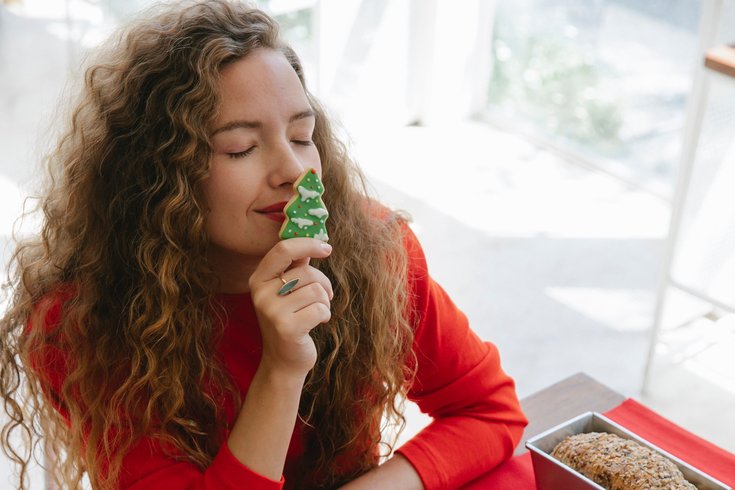
Mindful eating involves slowing down and paying attention to how food tastes and smells, a technique that can help people avoid overeating during the holidays.
American culture – the rush, rush, rush, grab-as-you-go attitude – is "kind of set up for mindless eating," said Alissa Smethers, director of Temple University's master of public health in nutrition program.
"We're busy, we're stressed, we're eating when we can," Smethers said. "You might have a bag of chips, and you're just eating them from the bag, not really paying attention to how much you're eating. You're watching TV, scrolling on your phone, and then before you know it, the chips are gone."
MORE: How to make healthier choices when eating fast food
But the holidays — an often busy and stressful season, with many opportunities to eat sweets — are a good time to try more "mindful eating," said Smethers, who is board president of the Pennsylvania Academy of Nutrition and Dietetics and the Philly Academy of Nutrition and Dietetics.
Mindful eating is a concept that is rooted in ancient Eastern traditions, and it extends from the idea that our senses are in the present moment and our thoughts draw us away from the here and now, Johns Hopkins Medicine explains.
It involves "checking in with ourselves before eating to see if you're feeling physically hungry, and then during the meal time, kind of slowing down and noticing how the food tastes," Smethers said. "Whenever we're feeling that satiation or more feeling full, stopping eating, and then not eating again until we're feeling hungry.
"You're taking a single bite, you're enjoying that food, thinking about the taste, thinking about the smells, thinking about the texture," Smethers added. "It's not just eating to eat, but really enjoying the process and listening to those internal cues of hunger and fullness."
Although people may think mindful eating is about changing food choices – an idea that might hinder some folks from trying it – the mindset is actually nonjudgemental, Smethers said.
"It's not saying that there are good foods or bad foods," she said. "... It's not to say that we can't have dessert, but we don't want to just kind of rush through the dessert and then you're still hungry. Slow down, enjoy it. It's going to taste better."
Johns Hopkins suggests putting down your phone and setting aside other distractions to get ready for mindful eating. Take a few deep breaths. As you eat, think about how the food impacts the senses. Putting down your fork in between bites can help.
Mindful eating does not have to extend through the entire meal. Start initially by slowing down for the first couple of bites. As you continue to practice mindful eating, set a timer for 5 minutes and then for a little longer the next time.
Also, during the holidays, when people tend to anticipate large meals, mindful eating means being careful not to try to cut back ahead of time as compensation, Smethers said.
"We don't want to go to Thanksgiving, and we're not going to eat breakfast that day," she said.
Being mindful about still eating breakfast is important, Smethers said, "because then we're not feeling hungry or overly hungry and then overeating later."