




March 03, 2026
 Provided Image/Pennsylvania Horticultural Society
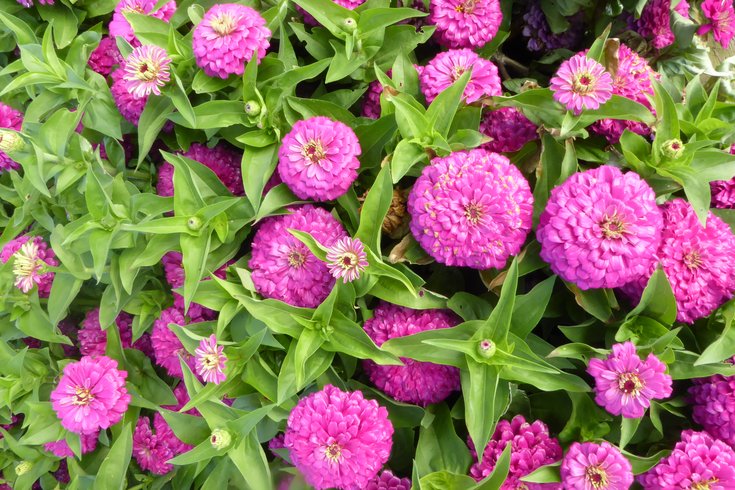
Growing cut flowers like zinnias, pictured, is among the gardening trends that the Pennsylvania Horticultural Society expects to make waves this year.
This year's growing season is expected to be defined in part by ecologically and economically friendly trends, the Pennsylvania Horticultural Society says.
As a brutal winter nears its end, PHS released its predictions for the top gardening trends of 2026. The list touches on everything from the most popular plants to the ways artificial intelligence may be used for landscaping purposes.
MORE: These Philly bars and restaurants have specials inspired by the Flower Show
"Gardening continues to evolve as people explore new ways to connect with nature, express creativity and grow food and beauty in their own spaces," Andrew Bunting, vice president of horticulture at PHS, said in a statement accompanying the trends list. "From innovative houseplant displays and water-wise gravel gardens to cutting-edge AI tools and rewilding practices, the 2026 trends reflect how gardeners are experimenting, learning and finding joy in every corner of their gardens."
Growing season begins with the final frost of spring — usually in late April in Philadelphia — and continues through the fall's first frost.
To compile the trends list, PHS staffers visited dozens of horticultural events around the world. They then included the trendy techniques and styles that best fit the needs and resources of home gardeners in the Mid-Atlantic region, particularly in regard to ecological gardening, Bunting said.
"While we take a global perspective in generating the trends report, the information applies mostly to the East Coast," he said. "Native plants continue to be extremely popular. Approaches that homeowners can take to improve the ecology of their home gardens … are very strong trends."
Many of the trends are on display at the Philadelphia Flower Show, which runs through Sunday at the Pennsylvania Convention Center.
Here are some of the gardening trends to look for — or try yourself — this year.
PHS predicts that ecological-friendly gardening practices like planting native species will be popular in 2026.
Home gardeners are letting the natural landscapes around them grow with intention by encouraging the growth of native species while deterring invasive species. The trend, which PHS calls "re-wilding," can help reduce the ecological damages that manicured lawns cause while also creating important habitats for birds, mammals and pollinators, Bunting said.
By planting native species like butterfly milkweed, endangered pollinators like the Monarch butterfly are more likely to populate local gardens. Arranging fallen leaves, twigs, branches and stems on the ground can create important habitats for overwintering insects.
"There are other innovative trends that incorporate re-use and byproducts from other industries to create new products," Bunting said. "As an example, (the soil company) Organic Mechanics, which was founded locally, uses coconuts, rice hulls, worm castings and mushroom soil to create many of its gardening soils. There are many movements to prevent nursery pots from going to the landfill and either be used or reused."
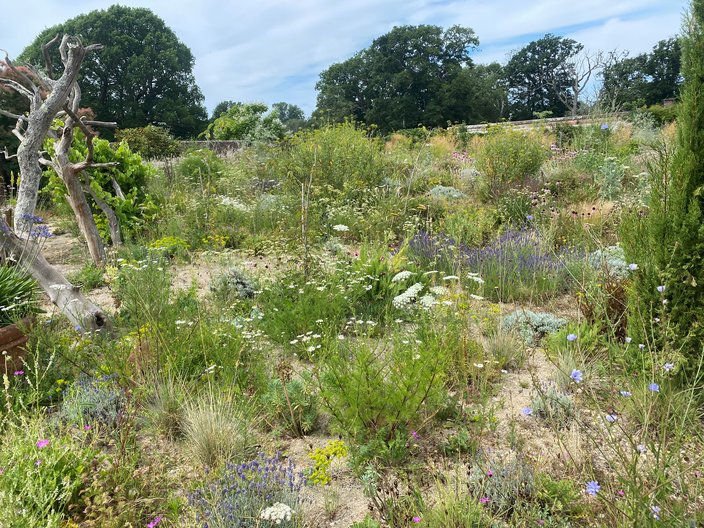
Gravel gardening, an ecologically-friendly practice that uses gravel to reduce a garden's irrigation needs, has been employed in some of the Philadelphia region's most notable public gardens, including the Scott Arboretum and Gardens in Swarthmore, Chanticleer Garden in Wayne and PHS Meadowbrook Farm in Meadowbrook.
"Once the plants are established in the gravel garden, they require essentially no watering," Bunting said. "Because the gravel is such a hostile environment, there are virtually no weeds that get established."
Gravel gardens are best suited for native plants and perennial plants. By minimizing runoff and invasive species, they are also estimated to take 80% less work than typical gardens require.
There's an increased interest in locally-grown flowers like dahlias, zinnias and heirloom annuals. When grown using sustainable practices, these flowers make for an eye-catching seasonal decoration and also a popular product to sell in boutique flower shops, which PHS reports are on the rise.
Cut flowers can grow in versatile environments as long as they are mostly exposed to the sun, Bunting said, making them a relatively low-maintenance project for home gardeners to pursue.
"Minimal space is needed for cut flowers," he said. "In fact, many cut flowers like zinnias, snapdragons, dahlias and others can be grown in a container on a patio or balcony. I have seen portions of a front lawn converted for the production of cut flowers."
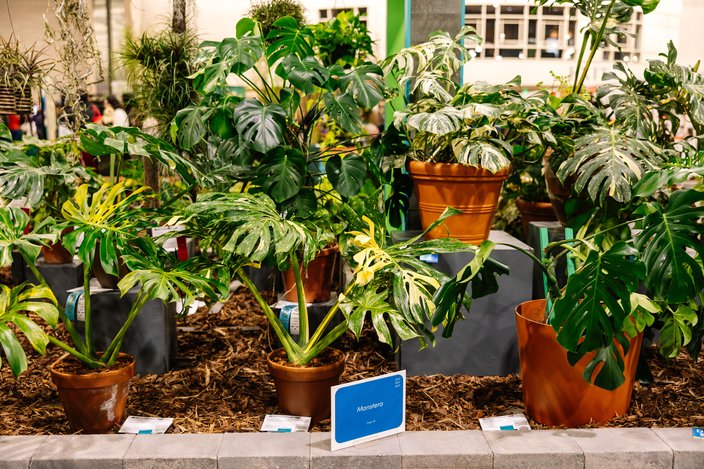
Monstera, pictured, is predicted by PHS to be one of the most popular houseplants grown in 2026.
The popularity of houseplants, which has been steadily rising since the COVID-19 pandemic, is expected to continue.
For people looking to get their start in cultivating a home nursery, species like monstera, philodendron and pothos are easily collectible and often in high demand. Kokedama, a Japanese term that translates to "moss ball," is another technique that situates plants in natural fibers like coconut coir. The creative display is perfect for orchids and tropical plant species.
Homegrown fruits and vegetables reflect more than just an aesthetically-pleasing addition to a home garden. They also can provide economic relief.
Foods like figs, berries and persimmons have been highlighted by the Philadelphia Orchard Project and Felton's Heartwood Nursery, local organizations that provide resources to community-based groups looking to plant and maintain their own crops.
The growth of edible plants can provide a valuable horticultural education for those who pursue it while also increasing access to fresh food. This has become prioritized as economic concern has spread, Bunting said.
"Especially with vegetable production, access to fresh food can be realized by growing vegetables yourself," he said. "A well-managed, relatively small vegetable garden can be very productive and high yielding."