




March 23, 2026
 Thom Carroll/for PhillyVoice
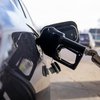
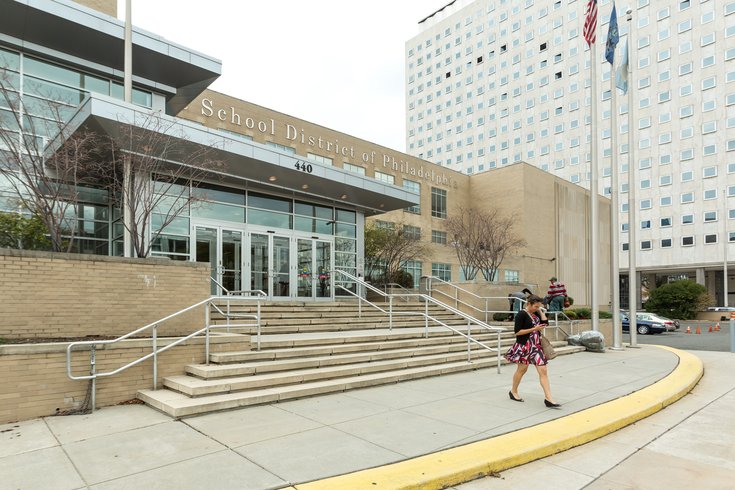
A new budget proposal includes an increase on a rideshare tax from 20 cents to $1 per trip to help alleviate the school district's $300 million deficit.
Mayor Cherelle Parker said she would increase the rideshare tax in her budget proposal from 20 cents to $1 per trip to alleviate the school district's $300 million structural deficit.
The tax, which would apply to every Uber or Lyft ride in city limits, would not completely make up the budget shortfall. Parker said it would generate $192 million over five years for the School District of Philadelphia — or about $48 million per year. With this revenue, the district would be able to avert some of the staffing cuts Superintendent Tony Watlington proposed earlier this month.
According to a city release, the funding would effectively "restore" the positions of 130 teachers and 110 other school-based workers. Instead of reassigning 340 school-based employees to vacant positions, the school district would only have to reassign 100.
Parker said that, under her budget amendment, the tax would be effective Jan. 1, 2027. That will supply the school district with additional funding faster, about $24 million in fiscal year 2027. Her original rideshare proposal would've gone into effect at the start of fiscal year 2028.
"There is never a good time to raise a tax," Parker said in a news conference Monday. "... Leadership requires that you make tough decisions during tough times."
The rideshare tax would also subsidize SEPTA Key cards for eligible school district employees, the mayor said. The program, an extension of the SEPTA Key Advantage program that's available to city workers, would cost $3 million per year.
Parker's revised budget plan will also propose a three-year pilot program with the Philadelphia Parking Authority to help city residents resolve license and registration suspensions due to unpaid parking tickets. The pilot would offer eligible residents grants to pay off balances and have their driving privileges restored. Revenue from the resolved tickets, the mayor said, could ultimately benefit the school district, too.
Parker argued the tax was not designed to burden rideshare drivers at her conference, emphasizing the fee could be paid by the larger corporation. But it's not clear whether rideshare companies would shoulder the cost. A Lyft spokesperson expressed opposition to the proposal in an emailed statement Monday.
"Philadelphia is already facing mounting cost-of-living and mobility challenges, and this proposal would intensify both by increasing the price of everyday rides that many working residents rely on to get where they need to go," the spokesperson said.
Uber spokesperson Jazmin Kay said via email that the tax "will be passed on directly to riders who will pay more on each ride and will directly hurt hardworking drivers who will see their incomes cut as a result of reduced demand for rides."
Parker's office emphasized that this funding would not impact any decisions on school closures. The district recommended closing 18 schools in its proposed master plan last month.
Follow Kristin & PhillyVoice on Twitter: @kristin_hunt
| @thePhillyVoice
Like us on Facebook: PhillyVoice
Have a news tip? Let us know.