





April 02, 2026

Content sponsored by
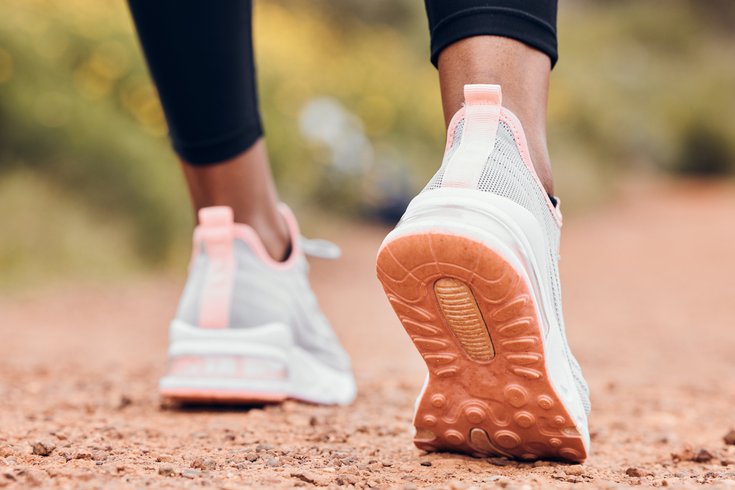 Jacob Wackerhausen/istock.com
You don’t need a full workout to make progress. Just moving more during the day can add up faster than you think.
If getting “enough” exercise feels like something you never quite get around to, you’re not alone.
About one in three adults don’t hit the recommended levels. And that can increase their risk of heart attacks, strokes, type 2 diabetes, dementia, and certain cancers. The good news is “enough” exercise is more achievable than it sounds.
Health experts say adults should aim for about 150 minutes of moderate activity each week, or 75 minutes if it’s more intense. That sounds like a lot until you break it down. It comes out to just over 20 minutes a day.
If you have to pause for a breath after a few words, you’re in a higher-intensity zone, which means you don’t need as much time. Running, swimming laps, or biking at a faster pace all fall into that higher-intensity category.
Strength training is part of the mix, too. Experts recommend working your muscles at least twice a week. That can mean lifting weights, but pushups, resistance bands, and even lifting things around the house count.
You don’t need to carve out a big block of time to reach your exercise goal. Short bursts of movement throughout the day can add up, which is often more realistic for people trying to fit exercise into a busy schedule.
If you do want something more structured, the weekly goal still breaks down easily. About 30 minutes a day, five days a week gets you there. As you get into the habit, you can adjust your goals to suit your situation. More intensity means less total time, or you can keep your exercise moderate and focus on consistency.
You don’t need much to build from there. Walking, basic bodyweight exercises, and simply moving more during the day cover most of it. Even everyday things like cleaning, yard work, or lifting groceries are effective.
The biggest hurdle is thinking exercise takes more time than it actually does. It doesn’t. And once you start, it’s a lot easier to make it part of your day.