





June 15, 2026

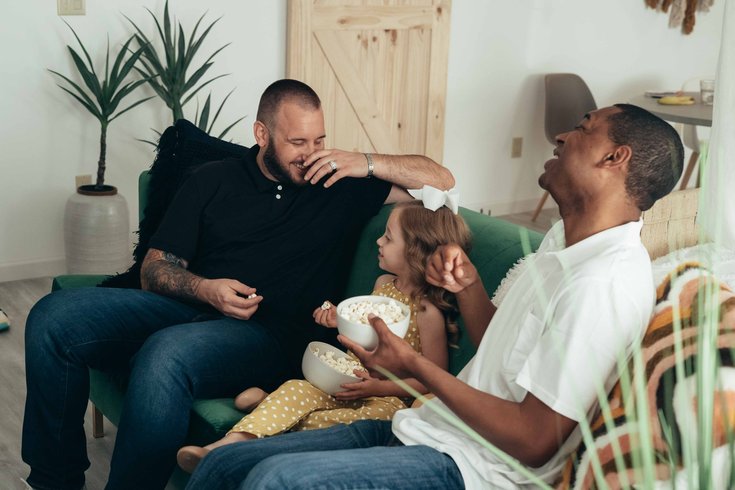 Dziana Hasanbekava/Pexels
Dad jokes can help parents bond with their children, scientists say. But some work better than others.
Dad jokes can evoke either a smile or a grimace, depending on the audience. But research suggests their goofy playfulness can be a source of connection for parents and their children.
To determine the types of dad jokes that connect best with others, and those that fall flat, researchers analyzed 32,000 posts made over multiple years on a subreddit for dad jokes.
The best ones contain puns, a focus on small details and literalization — to take a figure of speech and interpret it literally instead of metaphorically, researchers found. Jokes involving family members or pets prove particularly humorous. A joke's length, concreteness and semantic relativity also help determine success and positive associations between the joker and the audience.
"Seemingly simple wordplay humor illuminates the psychology of verbal creativity and extends the psychology of aesthetics into art encounters that provoke feelings of amusement, playfulness, and absurdity," the researchers wrote in the preprint of their study. The research has not yet been published in a peer-reviewed publication.
Humor often brings out a cognitive response, Steven Sultanoff, a clinical psychologist at Pepperdine University, told the Washington Post, the first news outlet to report on the research. Audiences often have to reframe their perspective to understand a joke, and that can help people regulate their emotions and deal with stress, he said.
Sultanoff, who was not involved with the study, said dad jokes specifically rely on this kind of wit, which bonds parents and children through a process known as relational fusion.
"That experience becomes part of a child's fabric, and as they grow older, without realizing it, they have this level of kindness, playfulness, creativity that they then offer to others," he told the outlet.
The study was led by Paul Silvia, a psychology professor at the University of North Carolina at Greensboro, and Meriel Burnett, a graduate student at the University of Massachusetts Amherst.