






July 27, 2026

 Alison Young/USA Today via Reuters Connect
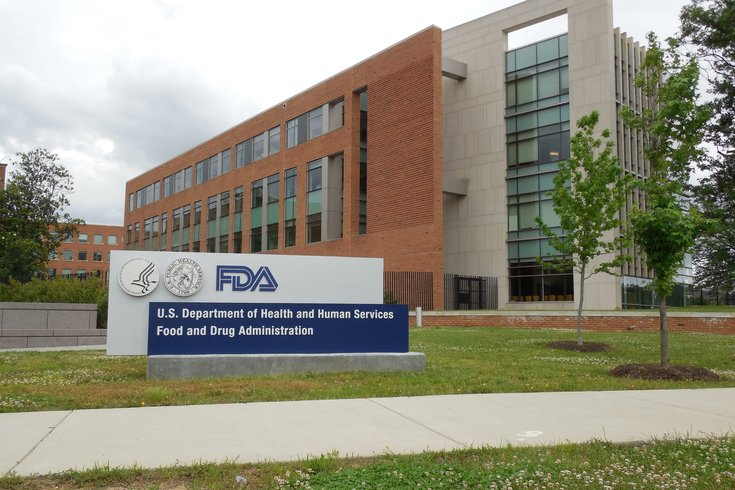
An FDA panel voted last week in favor of allowing compounding pharmacies to produce and sell six peptides that lack research in humans. Penn bioethicist Ezekiel Emanuel says this puts people's health at risk.
Allowing compounding pharmacies to produce and sell six peptides — a possible policy change endorsed last week by an advisory panel to the Food and Drug Administration — potentially puts people's health at risk and is a conflict of interest, said Dr. Ezekiel Emanuel, a bioethicist at the University of Pennsylvania.
Health and Human Services Secretary Robert F. Kennedy Jr. in recent weeks overhauled the advisory panel of researchers and doctors to include eight new members – some of whom have sold peptide products. He also has said that he is a "big fan" of peptides and that he has taken them himself.
MORE: Exposure to common weedkiller may increase the risk of premature labor
"You don't make policy on the basis of what you like and don't like as a secretary, or even as an official," said Emanuel, vice provost for global initiatives and co-director of the Healthcare Transformation Institute at Penn. "You make policy on the basis of data. He likes peptides. As I've called people who take peptides schmucks, he's a schmuck on this. Just because he likes them does not mean that we should push them on the market."
Peptides are small chains of amino acids that the body strings together for different functions. Insulin is an approved peptide that helps people manage diabetes. Other approved peptide medications, such as Ozempic and Wegovy, have boomed as treatments for obesity.
But more people are turning to the use of unregulated peptides – often bought online – in part due to wellness influencers who tout them for everything from muscle recovery to improved cognition and sleep to better hair growth and skin. Some people without access to GLP-1 medications for weight loss have been buying compounded forms of peptides online, although the safety and efficacy of these products is unproven.
"They haven't been rigorously tested in people, and we don't know that these compounding pharmacies can actually manufacture them appropriately and safely," Emanuel said.
In 2023, the Biden administration prohibited the sale of 20 peptides – including the six the FDA panel just endorsed – due to their potential for "significant safety risks." Although these products are only legally sold for research purposes and not for human use, they have been marketed to people in an online "grey area." Some labs in China and India funded by cryptocurrencies have been switching from producing the powerful synthetic opioid fentanyl to manufacturing peptides instead, Wired reported.
"The FDA is there to protect people, not to put them at increased risk," Emanuel said.
Some panel members said during last week's testimony that they endorsed the ratification of peptides as a form of harm reduction to keep people from turning to the black market, Becker's Hospital Review reported.
The panel recommendations still need formal FDA approval, which could take months, but Kennedy may be eager to move the process along.
One of the six peptides, epitalon, sometimes referred to as the longevity peptide, has raised concerns about an increased risk of cancer.
The other five peptides endorsed by the panel are:
• BPC-157: It was described during the panel meeting as having a variety of uses including for "healing" and endometriosis.
• KPV in cream or gel form: It may be linked to reduced inflammation, but that has not been thoroughly studied.
• MOTS-c: It is touted for energy and growth, but that has not been studied in humans.
• TB-500: An injectable peptide, it is touted for benefits such as muscle regeneration but human studies are lacking.
• Semax: This peptide is used in Russia for stroke patients, but there is little research into its potential side effects.