





March 03, 2026
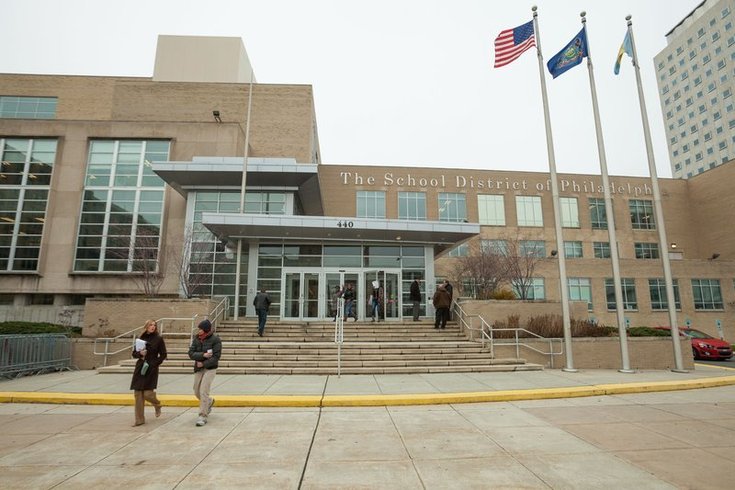 Thom Carroll/For PhillyVoice
The School District of Philadelphia's new wellness policy guarantees students daily recess and prevents teachers from withholding bathroom and water breaks.
The School District of Philadelphia has adopted a new wellness policy that aims to keep students active and limits the ways they can be punished.
The district's 115,000 students now are guaranteed daily recess. Elementary schools students must get movement breaks for every 90 minutes of seated time, and teachers cannot withhold bathroom and water breaks. Collective punishment — when the whole class receives a consequence for the acts of one or two students, like silent lunches — is banned.
MORE: Hundreds pack Philly school district's headquarters to oppose plan to close schools around city
The policy was adopted following Thursday's school board vote and formally announced Monday. It is one of the most comprehensive wellness policies in the district's history, the activist group Lift Every Voice Philly said.
"I remember being a kid. Time to unwind, talk to your friends at lunch, and go to the bathroom when you need to is important," Superintendent Tony Watlington said in a statement. "We're going to work together, in true equal partnership with Lift Every Voice, members of City Council, the school board, and everyone else to provide for the health and physical, mental, social and emotional wellbeing of all of our young people."
The policy was approved after 18 months of activism from Lift Every Voice Philly, which works with parents for racial and economic justice in education. The groups said students at some schools were permitted to drink water during the day and weren't always allowed to go to the bathroom. So the group put together a Joy In Schools campaign to push for new ways to engage students and to end dehumanizing practices such as lack of bathroom access.
The new policy names five of the 12 practices that Joys In Schools says are unfit. The hopes is that students will enjoy school more and want to attend, the activists say. When students want to be at school, they tend to have more energy and focus better.
"When basic protections aren't written down, they become negotiable. Codifying this into policy sets a clear floor, creates consistency and makes dignity non-negotiable," said Lift Every Voice member Amy Faulring. "That matters for children. And it matters for teachers. Clear expectations strengthen school climate and remove unnecessary debates about basic needs."