





January 22, 2026
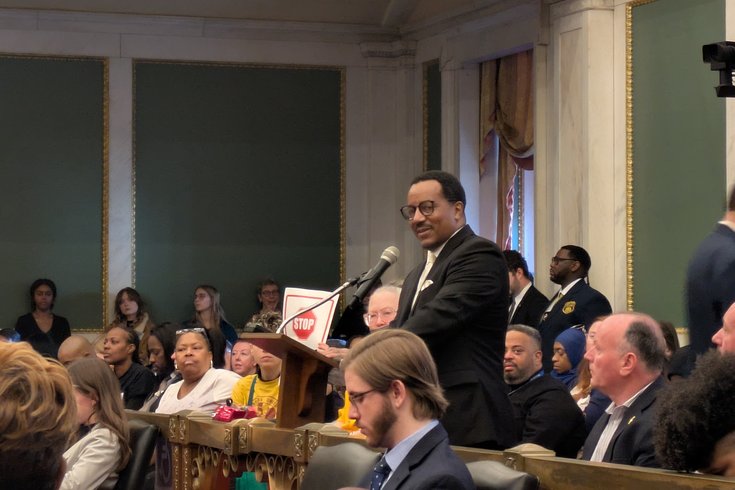 Michaela Althouse/PhillyVoice
Chester Mayor Stefan Roots speaks at Thursday's City Council meeting in favor of a bill to ban Philly from having contracts with companies that burn trash. Much of the Philly's waste is sent to a facility in the Delaware County city, where some residents claim they're suffering from pollution-related illnesses.
Dozens of the 57 public commenters at Thursday's City Council meeting came out to speak for or against a trash incineration bill, but the legislation was pulled at the last minute by Councilmember Jamie Gauthier.
The Stop Trashing Our Air Act would ban the city from contracting companies that burn solid waste and recycling. In that case, the 37% of Philly's trash that gets burned would instead be sent to landfills, according to Gauthier (D-3rd).
The measure would particularly impact a contract with Reworld, formerly known as Covanta, the owner of the country's largest incinerator which is located in Chester, Delaware County. Approximately 1/3 of the trash burned at Reworld comes from Philadelphia. During the meeting, a number of residents claimed the plant pollutes the air, contributing to health issues such as asthma and lung cancer.
"I don't care if it's Philadelphia or Chester, we have to make sure that people come first, especially when it's our procurement processes and our waste management practices that's putting them at a disadvantage," Gauthier said. "So I'm committed to this, and we'll keep going, we'll get it passed."
Chester Mayor Stefan Roots said 90% of the trash burned in that incinerator comes from outside his city.
"What we get in return is sick people, a devalued riverfront and no mayor willing to fight this battle from Chester until I came," Roots said Thursday. "Seven million pounds of trash is burned in the city of Chester every day in an area no bigger than the councilmanic districts you guys serve."
However, supporters of the plant said it provides jobs and supports the community. Alyssa Wilds, the senior director of corporate and community relations at Reworld, said her mother lives four blocks away from the company's facility in Camden and is a "vibrant elder" who doesn't suffer from pollution-related health care problems.
"There are no persistent illnesses in my family and the relationship with Reworld has not been combative or dismissed," Wilds said. "The relationship with the facility, even prior to my employment nearly five years ago, has been collaborative and transparent."
The city's current waste disposal contracts expire at the end of the fiscal year in June. John Scott, the director of government relations for Reworld, feared that passing the legislation would interrupt the city's procurement process. He said officials released a request for proposal in December and responses are due in "less than a month" for vendor selections this spring.
"This is not a vote to approve a vendor, this is a vote to allow a qualified company to continue participating in the RFP process that is already underway," Scott said.
Following Thursday's meeting, Gauthier said she remains committed to getting the bill approved despite the decision to postpone a vote.
"This would never happen in a community that wasn't populated mainly by Black people and mainly by poor Black people, and all of the folks that are lobbying otherwise, they know they would never accept this where they live," Gauthier said. "So, we'll keep working on this issue, and it'll end with this: people over profit, people over polluters, no matter what powerful interest stands in the way, period."