






September 08, 2025
The Camden County Board of Commissioners and the Addiction Awareness Task Force (AATF) launched the Break the Stigma campaign to change the conversation around addiction and recovery. This initiative was created to combat the misconceptions surrounding substance use disorder, highlight the reality of recovery, and ensure that individuals struggling with addiction receive support rather than judgment.
Recognizing that stigma is one of the biggest barriers to seeking help, the campaign has taken several proactive steps to foster understanding and support, including:
• Public Education & Awareness – Through community outreach, events, and personal stories, the campaign works to dispel myths about addiction and promote the importance of treatment and recovery.
• Advocacy & Resources – By providing access to critical services, including treatment programs and recovery support, the campaign ensures individuals and families have the help they need.
• Community Engagement – Working with local organizations, schools, and businesses, the initiative spreads awareness and encourages open discussions about addiction and mental health.
• Breaking Barriers to Treatment – Through partnerships and funding efforts, the campaign supports initiatives that remove financial and social obstacles to addiction recovery.
Addiction is a disease, not a choice, and recovery is possible for everyone. By fostering a compassionate and informed community, Camden County continues to take meaningful action to break the stigma and support those on their journey to recovery.
Addiction is one of the most stigmatized health conditions, preventing individuals from seeking help and isolating families who fear judgment. Over 20 million people in the U.S. struggle with substance use disorders, yet nearly half of Americans don’t recognize addiction as a disease.
Recent research shows that over 80% of Americans are unwilling to associate with those suffering from a substance use disorder. Stigma leads to discrimination in healthcare, employment, housing, and more; and misconceptions about addiction being a moral failing reinforce these barriers.
Stigma doesn’t just affect individuals with addiction; it isolates families and perpetuates harmful stereotypes in society. People struggling with substance use disorders often face: Judgment from peers, which discourages open conversations about their challenges, and discrimination in workplaces and healthcare settings, limiting opportunities for recovery and success.
Understanding the root causes of stigma—such as fear, misinformation, and societal bias—is critical in dismantling it. By fostering empathy, education, and inclusivity, we can transform the way addiction is perceived and treated.
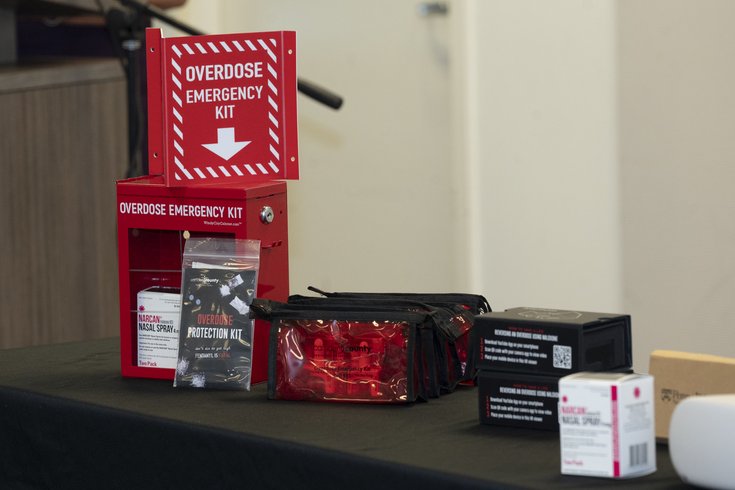
In recent years, Camden County has made significant strides in combating the opioid epidemic. According to the NJ ROIC-Drug Monitoring Initiative, from January to July 2024, the county experienced a 39% decrease in overdose deaths compared to the same period in the previous year. Additionally, there was a notable reduction in Naloxone (Narcan) administrations, with 511 instances in the first half of 2024, down from 851 during the same timeframe in 2023.
According to the Office of the Chief State Medical Examiner, there were 206 suspected drug deaths in Camden County from Jan. 1, 2024, to Dec. 31, 2024, compared to 327 during the same time period in 2023.
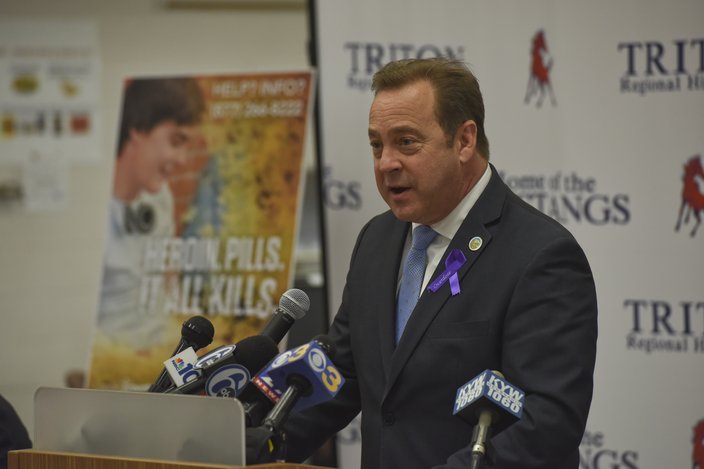
“The progress that we have made over the past year in Camden County when it comes to overdose and addiction is incredible,” said Commissioner Director Louis Cappelli Jr. “We have continually seen overdose deaths plummet, which just goes to show that all our investment into public health and harm reduction resources is paying off. But as always, we are not done yet. We will continue this fight until no life is lost to overdose ever again.”
Camden County Board of Commissioners Director Louis Cappelli, Jr.
“When we look at the decline in fatal overdoses, we must recognize these percentages and statistics aren’t just numbers – these are actual lives saved,” said Camden County Prosecutor Grace C. MacAulay. “These are members of our community with friends and loved ones who care about them. We must continue to partner with public and private entities to drive the number of fatal overdoses toward zero.”
However, despite these advancements, the mission remains incomplete. Stigma continues to be a significant barrier, preventing many individuals from seeking the help they need. The Break the Stigma campaign is dedicated to changing perceptions of addiction, fostering understanding, and creating a supportive environment where recovery is possible for everyone.
See more statistics by visiting:
• American Addiction Center
• National Center for Drug Abuse Statistics
• National Institute on Drug Abuse
To effectively combat the stigma surrounding addiction, it’s crucial to understand the impact of our words and actions. Stigmatizing language and behaviors can deter individuals from seeking help and perpetuate misconceptions about substance use disorders.
Here’s how you can contribute to ending this stigma:
• Use first person language
• Educate yourself and others
• Share Camden County resources
• Challenge stereotypes
• Support policy changes
Zac Clark, a speaker at Camden County’s Remembrance and Hope Memorial in 2023 and a dedicated advocate for our Break the Stigma Campaign, is committed to raising awareness about mental health and addiction. In 2020, he gained widespread recognition after openly sharing his journey of addiction and recovery on ABC’s The Bachelorette. Since then, he has used his platform to inspire hope and break the stigma surrounding substance use disorder, particularly among young people.
Now in long-term recovery, Zac is the founder and CEO of Release Recovery, a full-service organization providing essential recovery support. He also co-founded the Release Recovery Foundation, and serves on the Board of Trustees at Caron Treatment Centers.
Learn more about Zac Clark’s mission and how you can support his efforts through Release Recovery and the Release Recovery Foundation at https://www.releaserecoveryfoundation.org/.
Office of Mental Health & Addiction Services
For a list of community mental health resources, click here.
For a list of substance use resources, click here.
Camden County Addiction Awareness Task Force
For more information, visit the Addiction Awareness Task Force page.
Camden County Remembrance and Hope Memorial
For information on memorial pavers, click here.
School Based Initiatives
To learn more about the NOPE program or schedule a presentation, please contact: The Work Group at (856) 486-7390
Fentanyl is Fatal
For further details, you can visit the official Camden County Fentanyl Awareness page here.