





January 29, 2026
 Thom Carroll/for PhillyVoice
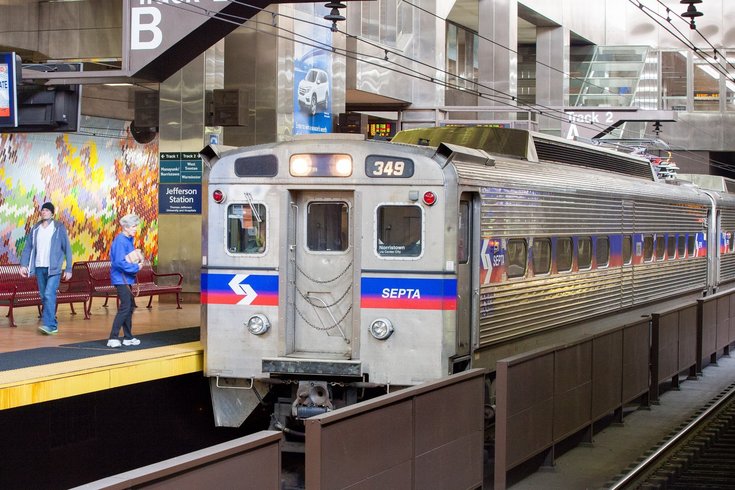
SEPTA released a new schedule for its Regional Rail lines that reflect the inclusion of train cars that were leased from Maryland's public transit system.
Some Regional Rail riders will see their trains come more frequently during morning and evening rush hours with a new schedule starting next week.
The changes, announced Thursday, will reflect the inclusion of 10 leased cars that arrived last month from Maryland’s public transit system MARC to provide a boost to SEPTA as federally mandated inspections continue on its aging Silverliner IV fleet. Three bus routes will also see morning trip times adjusted to maintain their connections with Regional Rail trains.
MORE: Estate of Bloomsburg University student who died after fraternity hazing event awarded $7.8 million
The Wilmington/Newark, Trenton and Chestnut Hill East lines will see entirely new schedules. Train frequency will also increase from Wayne Junction to Philadelphia International Airport.
The Wilmington/Newark line will have new express patterns and two added trains on weekday mornings; most Trenton line trains will originate and terminate at Temple University’s stop; and Chestnut Hill East’s new schedule will include connecting service to Penn Medicine Station and the airport.
Bus routes 201, 204 and 206 will depart between two and seven minutes later. Other Regional Rail lines will see changes to train numbers and departure time. New schedules can be viewed in full online.
Starting Monday, the 10 MARC cars will be put to use on the West Trenton and Trenton Regional Rail lines to ease crowded conditions during rush hours, SEPTA said.
More significant service enhancements won’t come until the federally mandated inspections of 223 Silverliner IV cars, which date back to the 1970s, are completed. The fleet was subjected to mandatory repairs in October after multiple electrical fires raised safety concerns from the Federal Railroad Administration. John Golden, a SEPTA senior press officer, said the authority is nearly 90% complete with repairs.
"Most of the remaining cars are out for longer-term repairs, which could be days or weeks," Golden said in a statement. "The vast majority of the repair work that was needed after the inspections has been completed."
SEPTA is in the process of fully replacing the fleet, which it estimates could take up to a decade. A portion of funds allocated to the transit system from the Pennsylvania Department of Transportation in November were used to lease train cars from MARC and Montreal’s Exo system.