





July 17, 2025
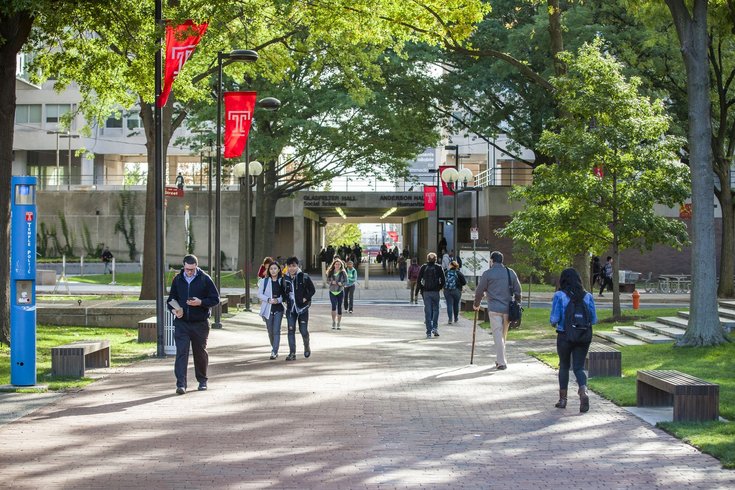 Thom Carroll/for PhillyVoice
Temple University voted to increase its tuition and is preparing for a stringent budget in the upcoming school year. Shaan Patel, founder and CEO of online tutoring program Prep Expert, says this could become more commonplace in higher education.
Less than two weeks after Temple University raised its tuition rates and said staffing cuts are likely on the horizon, Pennsylvania's state-owned university system announced its first tuition hike since 2018.
Higher education experts warn that tuition increases and staffing cuts likely will become more commonplace as federal funding opportunities diminish, particularly in the wake of the Trump Administration's new tax and spending law.
On Thursday, the Board of Governors of the Pennsylvania State System of Higher Education increased full-year tuition for the 10 state-owned universities by $278 for the upcoming academic year. That brings the total full-year tuition cost to $7,994.
PASSHE, which includes West Chester University in Chester County and Cheyney University in Delaware County, is requesting a 6.5% increase in state funding to avoid enacting the tuition increase. If approved by the state legislature, the Board said it would roll back the tuition increase. The fall semester begins in about six weeks.
Temple is one of four state-affiliated universities that receive state funding but are independently operated.
On July 8, Temple's board of trustees approved the university's 2026 operating budget, which included a 3.6% increase in tuition. Annual base tuition rates, which do not include fees, start at $19,608 for in-state students and $35,232 for out-of-state students. Mandatory fees are $528 per semester.
In a statement, Temple spokesperson Stephen Orbanek said the increased tuition is necessary to make up for the university's stagnant state appropriation, which has remained at $158.2 million for six years.
Temple President John Fry warned in June that the university faces a multi-million dollar structural deficit, which would likely need to be balanced by increased tuition and strategic cuts to the university's staff.
Fry released a statement Friday that the university's initial $60 million structural deficit had been reduced to $27 million, due in large part to the elimination of around 190 positions across the university through "attrition, retirement or the elimination of vacant positions."
The statement said approximately 50 employees at the university will be impacted, representing just under 1% of the university's total workforce.
"Decisions like this are not easy, and they are not made lightly," Fry said in the statement. "Please know that considerable efforts were made to ensure that the reduction to our current workforce was as minimal as possible...It is my promise that care will be taken to ensure that any employee's separation from the university will be handled as equitably and compassionately as possible."
Orbanek confirmed on Friday that no academic offerings would be impacted by the staffing cuts.
Shaan Patel, founder and CEO of online tutoring program Prep Expert, said he expects higher education systems to face tighter budget restraints as federal and state funding opportunities become more limited.
The 'One Big Beautiful Bill' signed earlier this month by President Donald Trump sets borrowing limits on students and families seeking to take out student loans, places higher taxes on colleges with large endowments, and makes institutions' ability to access federal loans more dependent on the amount their graduates earn.
These financial pressures could force universities to shift their financial burdens to their students, Patel said.
"Students will be more cautious about borrowing and universities will be under increased pressure to demonstrate their value through job placements and earnings," Patel said. "So, families can expect two things — rising costs and institutions trimming costs, including staff and programs, just to keep the lights on."