


March 26, 2026
 Michaela Althouse/PhillyVoice
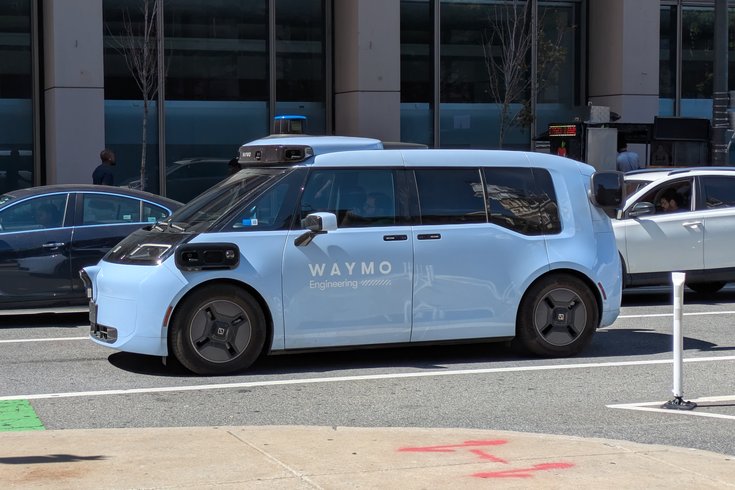
Waymo began testing its self-driving vehicles in Philadelphia last summer. City Council plans to hold a hearing to explore the future of this technology.
At an upcoming City Council hearing about the future of Waymo and other self-driving vehicle companies in Philadelphia, Councilmember Jim Harrity said he hopes to hear from experts about the technology's potential impact on jobs and road safety.
"Technology is always good and understanding how it can be helpful to us is one of the reasons why we want to have this hearing," said Harrity (D-At-Large). "Things change, we have to come to grips with that at certain times. But AI, the autonomous vehicles, this is all stuff that's going to take our people's jobs and anytime that we are looking at new technology or a new employment thing, we've got to look at what jobs we're going to lose because of this."
Legislation that was introduced by Harrity and passed on Feb. 5 called for City Council to hold a hearing to take a closer look at the impact of the technology. The meeting was initially scheduled for the end of March, but it was delayed due to ongoing hearings for Mayor Cherelle Parker's 2027 budget. A new date has not yet been set.
Waymo began testing its self-driving technology in Philadelphia in July and has permission from PennDOT to operate its cars autonomously while someone is monitoring in the driver's seat. Company spokesperson Ethan Teicher said its next step will be operating the vehicles with an employee in the passenger seat. It's unclear when that switch will take place, and Waymo still needs approval from state regulators for fully autonomous trips.
Harrity has concerns about the company's potential impact on the labor market, with the city estimated to have around 60,000 gig workers — including drivers for Lyft, Uber to food delivery services.
"This is people that are our neighbors that do this as a second income and some as a first income," Harrity said. "It's also going to affect our tax base if we have vehicles going around with nobody getting paid for driving them — of course, we're not going to get any of those taxes."
Tax impacts could be a point of contention with a new proposal from Parker, who wants to charge a $1 fee for every rideshare trip that starts in the city and have the proceeds go to the School District of Philadelphia.
However, Waymo said there's no data to show that its technology will force out rideshare drivers. According to Teicher, employment at taxi and limo firms grew 7% in 2024 in San Francisco, where Waymo has operated fully autonomous vehicles since late 2022. He also said while there has been "modest downward pressure" on hourly driver rates, there were some gains in Austin and Phoenix.
"In every city with Waymos, the fleet depends on a significant workforce of vehicle technicians and cleaners, fleet managers, construction and electrical workers, and other operations roles that offer new opportunities for residents of all backgrounds," Teicher said. "Waymo will invest millions of dollars with our partners in jobs and infrastructure in Philadelphia."
He added that residents will become more comfortable with the company and its technology the longer it's present in a city. A survey from research group Advance SF found that 73% of respondents felt safe with Waymo vehicles on the streets, he said, and 68% of voters thought the company positively impacted road safety.
Still, its presence hasn't been without issues. In December, an outage at a substation caused a massive power outage in San Francisco, and a number of robotaxis stopped mid-trip. Nearly 1,600 Waymo vehicles had stoppages that lasted at least two minutes, and more than 60 had to be moved manually, ABC reported. Some riders also reported attacks to autonomous taxis during anti-robot rallies.
"We have to make regulations, we can't let this stuff go on unchecked," Harrity said. "So for that, we need all the information we can get."