






July 22, 2025
Arthritis is often associated with older adults, but children can develop it, too. Known as juvenile arthritis, this group of conditions can affect a child’s joints, immune system, and overall health.
Doctors don’t know exactly what causes juvenile arthritis. But they think it may happen when a child is born with certain genes and then something like an infection triggers the condition.
Here’s what parents should know about the types, symptoms, diagnosis, treatment, and support available for this chronic pediatric disease.
The most common kind of juvenile arthritis is juvenile idiopathic arthritis (JIA), formerly known as juvenile rheumatoid arthritis. It's an autoimmune disease, which means that the immune system, which normally fights off germs, starts attacking healthy joints by mistake. JIA isn’t just one condition — it includes several different types.
• Oligoarticular JIA affects a few joints, while polyarticular JIA affects many. Both types can cause eye problems like uveitis, which is inflammation inside the eye. Kids with these types should see an eye doctor regularly.
• Enthesitis-related JIA causes pain and swelling where tendons and ligaments attach to bones, often in places like the knees, feet, or hips.
• Psoriatic JIA occurs in children who also have a skin condition called psoriasis, which causes red, scaly patches. They may also have changes in their nails.
• Systemic JIA affects the entire body, not just the joints. It usually starts with a fever and a rash that come and go for at least two weeks. Joint pain may appear later or not at all if treatment is started early. In more serious cases, systemic JIA can cause inflammation in organs like the liver, spleen, or the lining of the heart and lungs.
There are also some less common types of juvenile arthritis.
• Septic arthritis is caused by an infection in the joint. It usually comes on suddenly and causes a lot of pain, swelling, and sometimes a fever. It requires immediate medical care.
• Enteropathic arthritis is linked to digestive diseases like Crohn’s disease or ulcerative colitis. In this type, kids may have joint pain along with stomach problems.
Each type of juvenile arthritis is different, so getting the right diagnosis and treatment is important.
Symptoms vary depending on the type of juvenile arthritis, but common symptoms include:
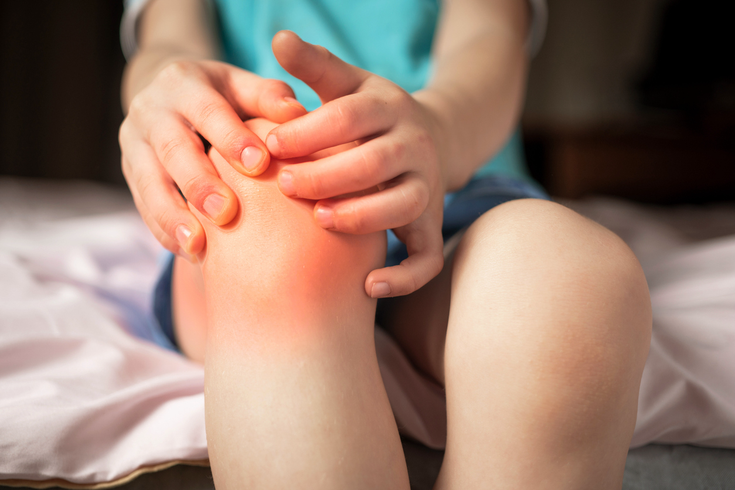
• Persistent joint pain, swelling, warmth, or stiffness
• Limping or difficulty moving, especially after rest or sleep
• Fatigue and decreased appetite
• Fevers and rashes
• Swollen lymph nodes
• Slowed growth or uneven limb length
Juvenile arthritis symptoms may worsen in episodes called flare-ups and then improve or disappear for periods called remissions. Symptoms also may occur once or twice and never recur, or they may be constant.
There is no single test to confirm juvenile arthritis. Pediatricians typically begin the diagnostic process by reviewing the child’s medical history and performing a physical exam. If arthritis is suspected, your child’s doctor may order imaging tests such as X-rays or CT scans, as well as bloodwork to rule out other conditions and check for inflammation.
Medical care often involves a pediatric rheumatologist, a doctor who specializes in treating arthritis in children. A physical therapist may also be part of the care team.
Although there’s no cure, juvenile arthritis can sometimes go into long-term remission. Treatment focuses on relieving symptoms, protecting joints, and preventing long-term damage.
Common treatments include:
• Corticosteroids, which quickly reduce inflammation but are only used in the short term because of side effects
• NSAIDs and analgesics, which relieve pain and reduce swelling
• DMARDs (disease-modifying antirheumatic drugs), which calm the immune system to protect the joints
• Biologic agents, which block specific proteins that cause inflammation
Children can also help manage their symptoms by eating a healthy diet, staying active, getting enough sleep, and practicing relaxation techniques like meditation or yoga. Some children may need to rest more between activities.
For families navigating juvenile arthritis, the Arthritis Foundation is a leading resource. The organization hosts an annual educational summit for families, runs camps for children with the condition, and connects parents with local support groups.
Local health care providers may also know about support services in your area.
Juvenile arthritis presents real challenges, but with early diagnosis, effective treatment, and strong support, most children can lead active, fulfilling lives.