





July 25, 2025
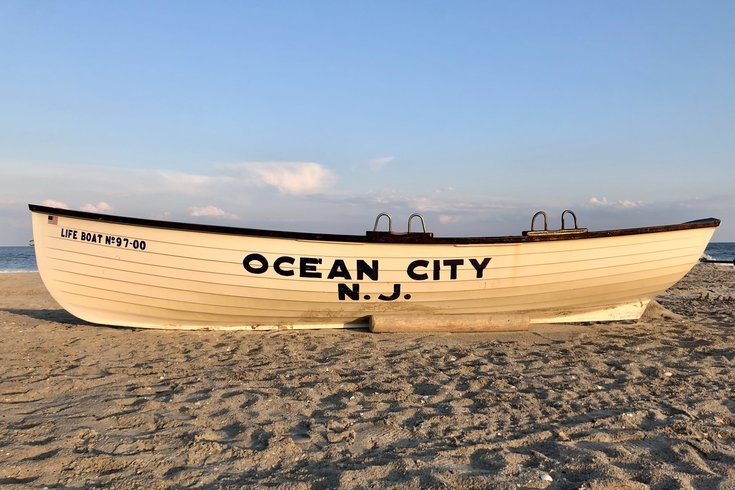 Jon Tuleya/PhillyVoice
Ocean City passed an ordinance this month that will add a 3% tax for visitors who book short-term rental stays using online platforms like Airbnb and VRBO. Airbnb claims the measure violates state law because it does not apply to hotels, motels, bed and breakfasts and other rentals.
Airbnb is pushing back against a new tax in Ocean City that will charge a 3% fee to vacationers who book accommodations using online platforms.
In a 4-3 vote on July 17, city council approved the tax on the "transient space marketplace" that includes rental websites like Airbnb and VRBO. The fee does not apply to rentals booked directly with property owners or through real estate agencies. It also does not cover hotels, motels, and bed and breakfasts in Ocean City.
MORE: New PLCB fee will raise prices for wine and spirits in 2026, industry groups say
The tax cannot take effect until three months after passage, at the earliest, with the state's approval for implementation. Revenues will first be collected by the state and then returned to the city, which projects the measure to generate about $1.8 million next year that will ease burdens for local taxpayers.
Airbnb claims the tax violates New Jersey's equal protection rights for hosts because it only applies to online bookings and puts such platforms at a disadvantage. Many travelers use sites like Airbnb and VRBO because they allow for shorter stays than other rental properties, which may require a minimum of a week.
While it is legal for local municipalities to charge occupancy taxes up to 3%, attorneys for Airbnb argue the fees must also be applied to hotels, motels, bed and breakfasts, and other short-term rentals that are not included in Ocean City's ordinance.
“Short-term rentals are an important part of New Jersey’s economy, generating nearly $1.3 billion in economic activity for the state and driving guest spending in local communities, particularly in places with limited affordable hotel options," Alain Xiong-Calmes, Airbnb's public policy manager, said in a statement. "In Ocean City, where most guests come from within the New Jersey region, this short-term rental tax risks pricing out families seeking affordable stays with access to the coast and threatens the local businesses and attractions that rely on visitor spending from short-term rentals.”
Airbnb ranked Ocean City its top trending destination for Labor Day and fall bookings in 2022, and the company says it contributed approximately $359.2 million in taxes to New Jersey last year.
VRBO did not respond to a request for comment about the ordinance.
City council members were divided about imposing the fee, which was considered and rejected last year. Backers of the ordinance argued it will generate revenue without burdening Ocean City taxpayers or requiring administrative costs to the city, and they noted that other municipalities in New Jersey and elsewhere have similar taxes, the Ocean City Sentinel reported.
Opponents of the tax said they fear it will chill interest in Ocean City rentals. They argued visitors may shy away from forking over a new tax on top of existing fees tied to online platforms. Such transactions also require paying sales and occupancy taxes.
An earlier version of the ordinance included an amendment to also apply the 3% tax to hotels, motels and bed and breakfasts, but that was ultimately scrapped because those establishments already pay for on-site services and staff at their properties.
Airbnb declined to say whether the company intends to challenge Ocean City's ordinance in court, and the state has not yet indicated how soon the measure will take effect for future bookings at the shore community.