






July 08, 2026

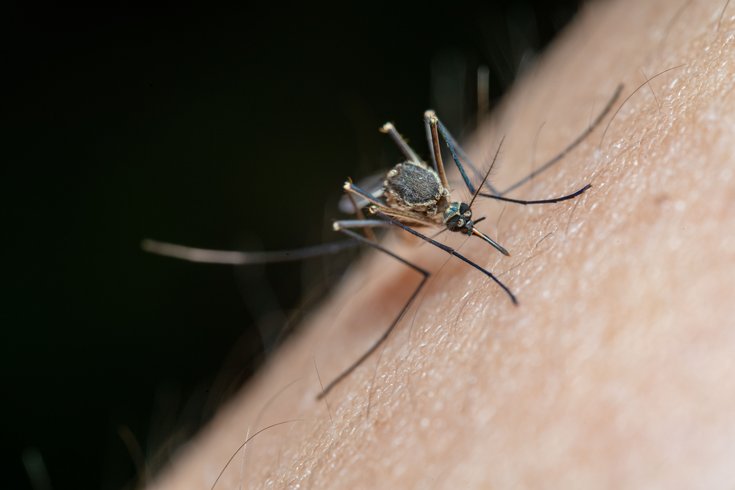 Jimmy Chan/Pexels
Catnip lotions may offer an alternative to people who want to avoid chemically-based insect repellents.
DEET has long been known to be an effective repellent against against mosquitoes, ticks and other insects that are not only pesky but may also pose a risk of serious illness, such as malaria and Lyme disease.
Approved insect repellents containing DEET, or N,N-diethyl-meta-toluamide, were vetted by the U.S. Food and Drug Administration, first in 1998 and again in 2014, as safe to humans. They repel insects by making it hard to smell people.
MORE: Summer is peak time for fruit — and for fruit flies
But researchers have found that lotions containing a certain formulation of catnip are just as effective. These lotions may provide an alternative to people looking to avoid chemicals and to developing countries where DEET can be too expensive.
The study, presented Tuesday at the Society for Experimental Biology conference in Florence, was conducted in Uganda, where mosquito-borne illness is a serious problem. Scientists were looking for cheaper alternatives to DEET that were as effective at repelling mosquitoes.
They found a 6% catnip oil was as effective as DEET and that a 2% catnip oil "was only marginally less effective than that," Simon Scofield, a senior lecturer at Cardiff University in Wales, who was involved in the research, told the Guardian.
Catnip's scientific name is Nepeta cataria, and cats like the plant because it has euphoric effects in them. People do not seem to experience euphoria when ingesting catnip tea or other forms of the plant, but it has been shown to have a calming effect and is sometimes used to help with sleep. More research is needed into its safety for these purposes, WebMD says.
Some people have used catnip as an insect repellent, but its effectiveness, or in what form it might work, had not been rigorously tested until the new study.
The first part of the research, conducted in labs, found that catnip oil acts as a mosquito repellent. Field research conducted in Uganda confirmed the findings by tracking how many mosquitoes landed on the legs of volunteers who were using the two different formulations of catnip lotion.
"We wanted to make a repellent, which is highly efficacious, but also allows local people to be involved in the production cycle so that it costs a minimal amount of money," Scofield told the Guardian.
The goal of the project was to make a lotion that Ugandans could produce in their communities and use as a complimentary treatment to fight malaria, a mosquito-borne illness.
It is unclear from the study whether catnip oil repellents will become commercially available across wider markets.