






June 03, 2026

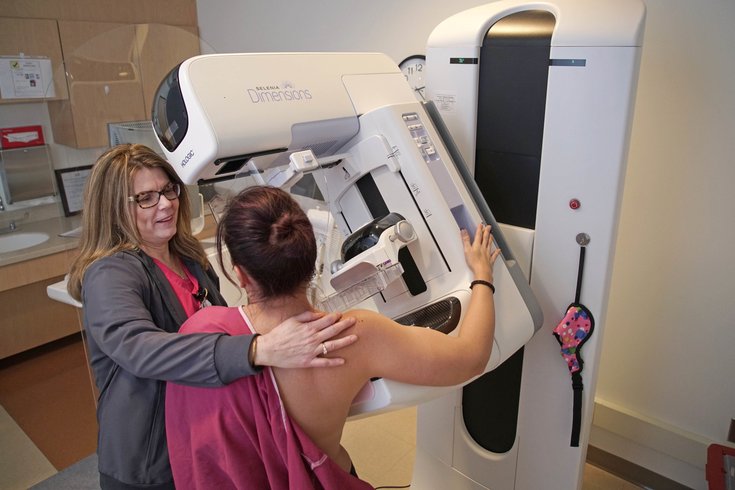 Jennifer Corbett/Imagn Images
University of Pennsylvania researchers have found evidence that GLP-1 weight-loss medications may be protective against breast cancer. The photo above shows a woman undergoing a mammogram.
GLP-1 drugs like Wegovy and Zepbound have transformed the landscape of weight loss and been shown to reduce risk of diabetes and cravings for alcohol. Now, new research suggests that they also may offer protection against many cancers, including breast cancer.
Among 40 studies presented at the American Society of Clinical Oncology meeting in Chicago, researchers found evidence that GLP-1 use was linked to a reduced risk of cancer. A study out of the University of Pennsylvania, published Tuesday, particularly stood out. It found that women taking GLP-1s for the treatment of obesity and diabetes had a 30% lower risk of breast cancer than women who were not taking these weight-loss drugs.
The findings could be "transformative for women's health," Elizabeth McDonald, a professor of radiology at Penn's Perelman School of Medicine, told USA Today.
"While our study was observational and does not definitively confirm an association between GLP-1 medications and reduced breast cancer incidence, it does add to the growing body of evidence suggesting that it's worth investigating these weight-loss drugs as potential cancer prevention tools," McDonald said in a news release.
Penn researchers analyzed data from more than 110,000 women ages 45-80 who had received breast imaging between 2022 and 2025. More than 15,000 of those women had been prescribed GLP-1 medications and more than 96,000 had not.
The study did not look at the type of GLP-1 medication the women had taken or for the length of time they were on the medications.
But overall, "GLP-1 medications are intriguing from a cancer research perspective because they weren't designed for cancer therapy, but they do affect many different targets and pathways associated with cancer development, so we're eager to study them in this context," McDonald said.
One hypothesis is that GLP-1s help reduce inflammation and impact the metabolic system in ways that could help reduce cancer risk. The next step is to conduct a clinical trial at multiple sites around the country to explore further whether GLP-1s can help prevent breast cancer in women who are at high risk for the disease, and for women who have a history of breast cancer, McDonald said.
Breast cancer is the second most common type of cancer in women, after skin cancer. It accounts for 1 in 3 of all cancer diagnoses in women each year. The American Cancer Society estimates there will be more than 320,000 new cases of invasive breast cancer this year and that more than 42,000 women will die from breast cancer.