




November 10, 2026

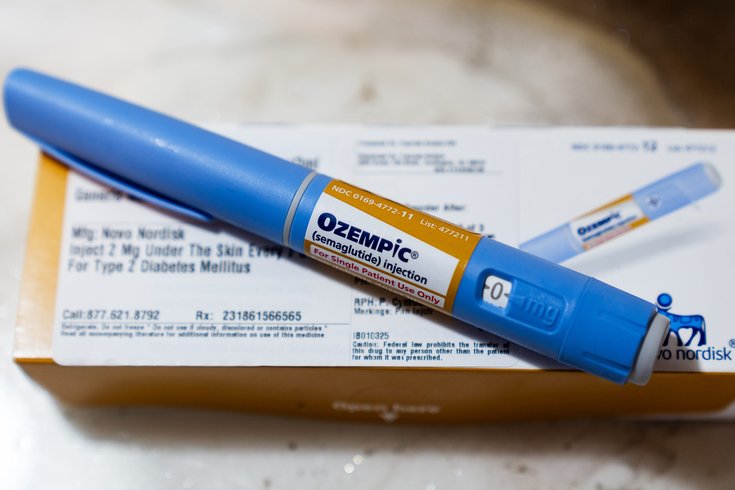 Josh Morgan/USA TODAY Network via Reuters Connect
The Food and Drug Administration is now requiring makers of Ozempic and other GLP-1 drugs to include a warning about the rare potential of vision loss.
The Food and Drug Administration is now requiring all GLP-1 drugs to include warning labels about the rare potential for sudden vision loss.
The safety labeling changes for all GLP-1s require manufacturers to add information about the potential association between the popular weight-loss drugs and non-arteritic anterior ischemic optic neuropathy, or NAION. NAION is a rare condition that can cause vision loss in one eye or permanent blindness.
MORE: Flu shots show early promise as a potential skin cancer treatment
The FDA's new labeling requirement follows a 2024 study in JAMA Ophthalmology that found an association between semaglutide, the active ingredient in Ozempic and Wegovy, and vision loss, but not a direct cause and effect relationship. The FDA said it reviewed other available research, as well as reports of NAION in patients received through its reporting system for adverse health effects.
The FDA is requiring manufacturers to include the warning, even though the agency was unable to identify a "mechanism" for how GLP-1s may increase potential risk of NAION. The agency safety also said the patient reports were "challenging to interpret because the risk factors for NAION often overlap with conditions common in patients treated" with these medications.
Eli Lilly, maker of Mounjaro and Zepbound, and Novo Nordisk, maker of Ozempic and Wegovy, said in emailed statements that patient safety is a top priority. "Novo continues to believe the data do not establish a cause-and-effect relationship and we remain confident in the benefit-risk profile of our GLP-1 medicines," Novo Nordisk's statement read.
The "overall magnitude of the risk of NAION remains low" for GLP-1 users, according to a consensus opinion published in August by the North American Neuro-Ophthalmology Society and the American Academy of Ophthalmology.
"FDA's drug safety communication applies to all medicines with GLP-1 RA activity and does not reference any findings specific to Lilly medicines," Eli Lilly said in its statement. "We are carefully evaluating the update and will respond to FDA promptly. As always, we will remain in close contact with the agency and continue to review all available data, including any data regarding ophthalmic events."
Dr. Manjot Gill, an ophthalmologist at Northwestern Medicine in Chicago, told NBC News: "We don't want patients to really get overly concerned and anxious and to stop these medications. It's fine to issue this warning more so for public awareness so that patients, should they experience any kind of change in vision, that they do actually go and seek the care of an eye provider."
NAION is a type of sudden-onset, painless vision loss, most often in people 50 and older. It affects 2 to 10 people per 100,000 in the United States, according to the American Academy of Ophthalmology.
NAION can cause blurred vision, partial vision loss and sometimes blindness, though rarely in both eyes. Sometimes called "eye stroke," NAION usually starts in one eye, with about 15% of people developing it in both eyes, the Cleveland Clinic says.
Why NAION occurs is not completely understood. The most common cause is swelling or damage to the optic nerve in older adults.
The condition is irreversible.
Thousands of complaints have been rolled into federal and state lawsuits against Eli Lilly and Novo Nordisk, alleging NAION and serious gastrointestinal injuries as side effects of taking GLP-1s. Nearly 100 lawsuits specifically relating to NAION have been filed in New Jersey since 2025, and another group of lawsuits have been filed in Philadelphia, USA Today reported in September.
The law firm Weitz & Luxenberg, which has an office in Cherry Hill and has filed lawsuits on behalf of New Jersey residents, did not respond to an interview request. Seeger Weiss, another personal injury law firm in New Jersey that has filed lawsuits against the pharmaceutical companies, also did not respond to an interview request.