





March 19, 2026
 Provided Image/Netflix
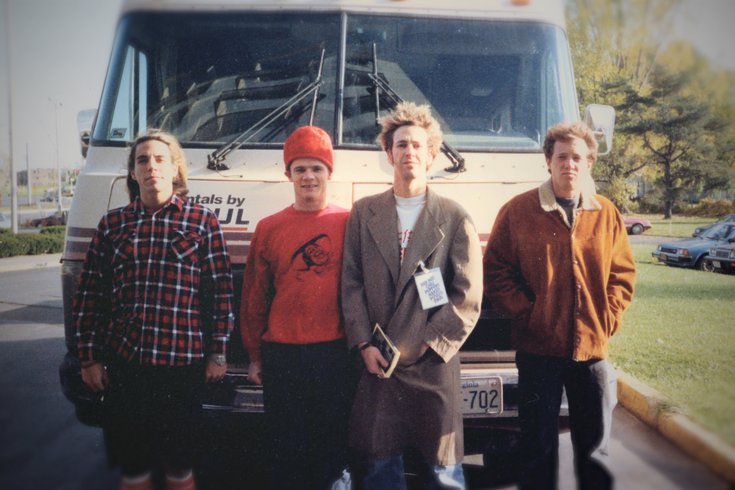
Philadelphia filmmaker Ben Feldman's new Netflix documentary, 'The Rise of the Red Hot Chili Peppers: Our Brother, Hillel,' traces the origins of the band and the legacy of founding guitarist Hillel Slovak. The band's original lineup of frontman Anthony Kiedis, bassist Flea, Slovak and drummer Jack Irons is shown above, left to right
There aren't many active American rock bands that have enjoyed the kind of longevity and shapeshifting path the Red Hot Chili Peppers have.
When the band formed in 1983, they exploded onto a Los Angeles music scene that had been led by a generation of underground punk acts from Black Flag and X to the Germs and the Descendants. They were also taken by the space-age theatrics of Parliament-Funkadelic and the swagger of Grandmaster Flash, forming an early sound that melded brashness with punchy musicianship.
Philadelphia-based filmmaker Ben Feldman's new Netflix documentary, "The Rise of the Red Hot Chili Peppers: Our Brother, Hillel," tells the story of the band's founding guitarist, Hillel Slovak, who died of a heroin overdose in 1988. The film premiered last week at the South by Southwest Film & TV Festival in Austin and hits Netflix on Friday.
"Hardcore Chili Pepper fans know who Hillel is, and people that saw them back in the '80s might know who he is, but most people don't," said Feldman, a Lower Merion native who now lives in Fairmount. "I wanted to make this film to raise his profile a bit and also highlight the friendship that's really at the core of this band."
Slovak's death at 26 years old marked a sea change for RHCP, allowing guitarist John Frusciante to enter the picture in the years before the band's breakout, "Blood Sugar Sex Magik," hit the mainstream in 1991. The documentary examines Slovak's formative role in building the band's brotherhood and traces the deeper marks he's left on their music ever since.
Frontman Anthony Kiedis, bassist Michael "Flea" Balzary and others offer vulnerable reflections on Slovak's life and how they've processed their feelings of grief, gratitude and guilt over the years. The documentary is packed with archival photos and footage of the band's early performances.
At times, Kiedis and Flea fight back tears talking about the ways drug abuse affected them as young adults.
Kiedis, who was on and off heroin in the mid-80s, nearly got kicked out of the band for showing up to a studio session without any material. His 2005 memoir, "Scar Tissue," includes disturbing anecdotes about sexual relationships with underage girls during this era.
Flea spent much of his teens and early 20s using cocaine and heroin before becoming a father, which tempered his recklessness. In a 2018 article for Time magazine, he wrote about the destructive temptation to use drugs, his struggles with painkillers and his radical approach to sobriety.
Slovak's drug abuse was more concealed. He wrote about his battles with addiction in pensive journal entries that his brother, James, shared with Feldman for the documentary. Slovak also made sketches that appear in the film as animated art.
"It was another way to really try and make him feel alive and present," Feldman said.
In a social media post in February, RHCP distanced themselves from the documentary.
"We agreed to be interviewed out of love and respect for Hillel and his memory," the band said. "However, this documentary is now being advertised as a Red Hot Chili Peppers documentary, which it is not. We had nothing to do with it creatively."
Feldman said the band's reaction to the way the film is marketed doesn't take away from their investment in bringing Slovak's story to light. He said Kiedis and Flea were gracious with their time and came to their interviews prepared to open up without reservations.
"They clearly really care deeply about Hillel and his legacy and this story, and I'm just incredibly grateful that they were willing to sit and be so open about this," Feldman said. "It's definitely a big responsibility. Someone is entrusting you with a story, their story, and it's really important to get that right."
The project is Feldman's first feature-length film. Before this, he made the Amazon true crime docuseries "Bug Out," which examined the theft of thousands of exotic insects and spiders from the former Philadelphia Insectarium in 2018.
"I would love to do more music projects, and I have a couple that I'm developing," Feldman said.
With the Netflix documentary, Feldman hopes he's able to unite different generations of RHCP fans. Younger and more casual listeners often gravitate toward the band's radio-friendly material, including 1991's "Under the Bridge," which dealt with themes of drug abuse. The band took a poppier turn with 1999's "Californication" and subsequent releases, but Slovak also flashed hints of the band's the warmer sound in early songs like 1987's "Behind the Sun."
"That showed Frusciante that the Peppers could be more than just a punk-funk band, and that there was room for him to express this melodic side of himself and his own guitar playing and writing," Feldman said. "I think it's just a natural evolution in the band's sound."