






February 02, 2026

 Provided Image/Philadelphia Midwife Collective
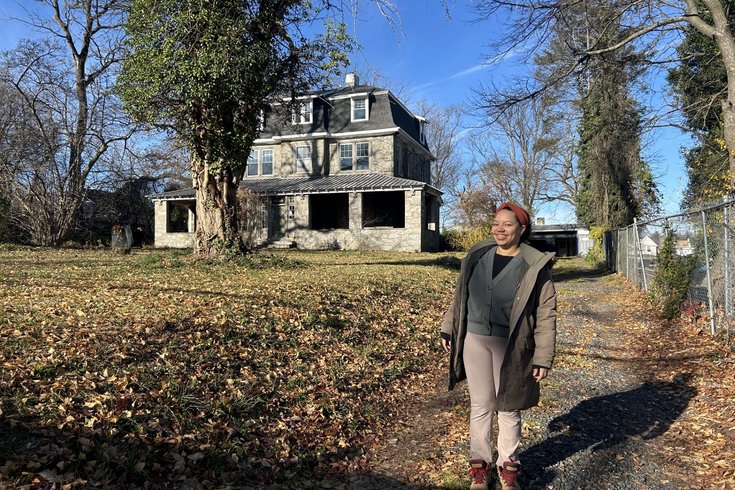
Autumn Nelson, clinical director of the Philadelphia Midwife Collective, stands in front of the organization's future birth center in Germantown. It is slated to open in spring 2027.
When Bryn Mawr's LifeCycle Wellness, one of the oldest birth centers in the country, announced it was shutting down this March after 47 years of offering midwife services, a group of state lawmakers said its closure underscored the "abysmal" state of women's health care.
Now, Philadelphia Midwife Collective, a nonprofit that conducted nearly 300 wellness appointments and delivered about 70 babies last year, is seeking to help fill the void by opening a birth center in a 100-year-old Germantown building next year. It will be the city's only birth center — a freestanding facility where childbirth is led by midwives.
MORE: Library of Congress adds 1993 drama 'Philadelphia' to National Film Registry
Midwifery is rooted in holistic and personal approaches to maternal and gynecological care. Midwives often are used by women who are at low risk of birth complications and want to deliver their babies at home or in non-hospital settings. Some hospital systems, including Penn Medicine and Jefferson Health, also keep them on staff.
Autumn Nelson, a midwife who serves as PMC's clinical director, said demand for this form of care is increasing.
"The midwifery model's goal is to look at the whole person and creating a more personalized touch," she said. "It's really grounded in the foundations of informed consent, shared decision making and believing in birth as a natural physiological process. ... Most of the time, (patients) want to just create the space for that to be able to happen.”
Nelson, 38, of Germantown, previously worked as a midwife at LifeCycle for 10 years. She said she hopes the new birth center can supplant some of the services being lost with LifeCycle's closure.
"LifeCycle was absolutely a success, birthing thousands of babies and making thousands of families — there's no way of not being proud of everything that LifeCycle was able to do," she said. "But as a midwife and as someone who grew up in Philadelphia, it's a huge loss. ... Ever since I was in midwifery school, there have been groups pushing for birth centers in Philly. This (new birth center) just feels really close to me."
Philadelphia has not had a dedicated birth center since the closure of Booth Maternity Center in Overbrook in 1989. PMC wants its center on East Johnson Street to specialize in midwifery care, but also to serve as a welcoming community space.
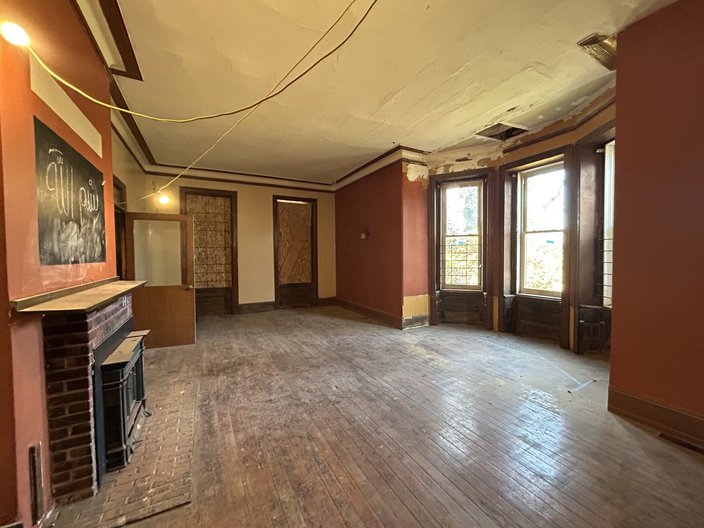
The 4,500-square foot building, built in 1856, will have two birth suites, a full kitchen, laundry room, exam rooms and office space for medical appointments. Adorned with large windows, a wraparound porch and Victorian-style architecture, the center also will have community rooms for classes and events. The building's renovations are expected to be completed by the spring of 2027.
The Philadelphia Midwife Collective's birth center in Germantown will not only will have two birth suites, but it also will have spaces for community events.
PMC aims to add nurse practitioners and pediatric experts to its staff, making the center a one-stop shop for families to grow and gather.
"We have big dreams of a space for families in this neighborhood to utilize and get the full scope of care and community spaces for education and workshops," Nelson said "We also want to be reflective of our neighbor and community needs. ... It's one of my favorite parts of my job, the dreaming up of this space and all of its potential."
The building was purchased in 2022 by Leah DiMatteo, a PMC board member and former client, and her husband Joel Thomas. The couple was inspired to support PMC after using its midwifery services during the home births of their two children in 2020 and 2022.
"We want people in Philadelphia to have a similarly enjoyable, beautiful experience with their birth, sort of the way they want to," DiMatteo, 39, said. "A birth center really is that sort of middle ground where you can have the home-like experience without certain interventions, and it's also convenient for the midwives."
Former PMC clients and community members have donated more than $1 million for the birth center, Nelson and DiMatteo said. The organization is looking to raise another $150,000 by April to complete renovations on its first floor.
By creating a "hub of care" and a welcoming community space, Nelson, a mother of two, said the center can act as a microcosm for positive and necessary change for pregnancy care in the region.
Philadelphia's severe maternal morbidity rate nearly doubled between 2016 and 2022, rising from 70 cases per 10,000 hospital deliveries to 121 cases per 10,000 deliveries, a city report released earlier this year shows. That rate was even higher among Black and low-income families. Kidney failure is the most common cause.
The increase mirrors a national trend, though the reasons for it are not fully understood, city health officials say. Increases in preexisting conditions like hypertension, diabetes and obesity are believed to be factors.
Pennsylvania lawmakers have suggested expanding midwifery programs as a potential solution, and PMC wants to be a small part of that.
"It's a movement for better health outcomes, too," DiMatteo said. "People want that, especially in their communities. The goal is to open a successful birth center here and then subsequently help other midwifery practices open birth centers in every neighborhood. This is not where it should end. This is just the beginning."