






January 06, 2026

 Thom Carroll/PhillyVoice
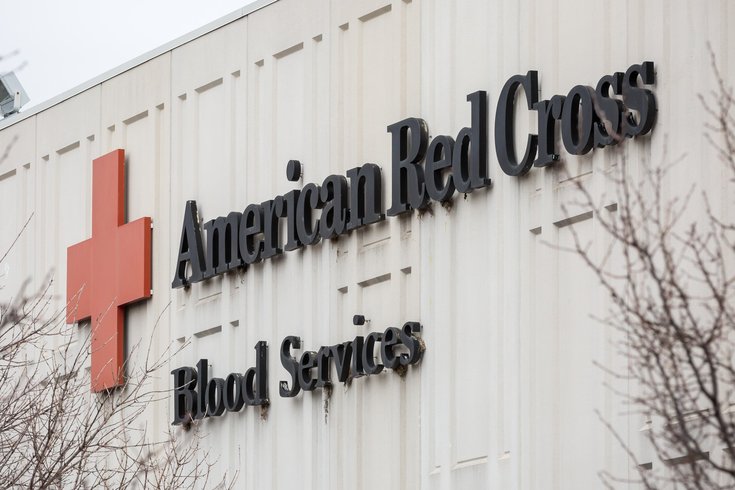
The American Red Cross is calling for blood donations to replenish the supply in Southeastern Pennsylvania. New Jersey already has declared a blood shortage emergency and is asking for donors.
New Jersey officials declared a blood shortage emergency Tuesday, and the Philadelphia region is at risk of one.
"When a blood emergency is declared, it means our health care system faces real constraints right now in treating patients who need transfusions," acting New Jersey Health Commissioner Jeff Brown said in a news release.
A combination of factors, including the winter holidays, inclement weather and an early and severe flu season, have led to a 40% decline in donations, according to New Jersey Blood Services, a network of organizations that collects and distributes blood and blood products in New Jersey, New York and Connecticut. It has less than a two-day supply available for the 200 hospitals is serves.
Blood donations typically decrease during the holidays and were down even more than expected in recent weeks, said Alana Mauger, spokesperson for American Red Cross Southeastern Pennsylvania.
"It would be fair to say we're on the cusp of a shortage, and trying not to go over it," Mauger said.
There have been more unfilled appointment slots and more people not showing up at appointments than usual at this time of year, Mauger said, but she did not have specific numbers.
Overall, blood donations have fallen about 40% over the past 20 years nationwide related to changes in communities, hospital protocols and lasting impact from the COVID-19 pandemic, the American Red Cross says.
"Blood is needed every single day for trauma care, surgeries, cancer treatment, and chronic conditions, and there is no substitute when donations fall short," Jeannie Mascolino, vice president of blood operations at New Jersey Blood Services, said in the news release.
Whole blood donations, used for trauma patients at hospitals and during surgeries, can be refrigerated for 21 to 35 days. Donated platelets, used during cancer treatments, organ transplants and surgeries, only can be stored for up to five days, the Red Cross says.
To be eligible to donate, people must be at least 16, weigh at least 116 pounds and be in good health and feeling well. People who meet these criteria can typically donate blood every 56 days, up to six times a year.
"(M)ost people say the reason they haven't given blood is because they were never asked to give blood, so I always like to say, 'Consider this an ask,'" Mauger said.
Interested donors can find the nearest blood drives by visiting the Red Cross website and entering their ZIP codes. People also can download the Red Cross Blood Donor App, which notifies donors when — and where — their donations are used.
New Jersey officials encourage people to visit walk-in blood collection centers and to consider becoming regular donors.