






March 18, 2026

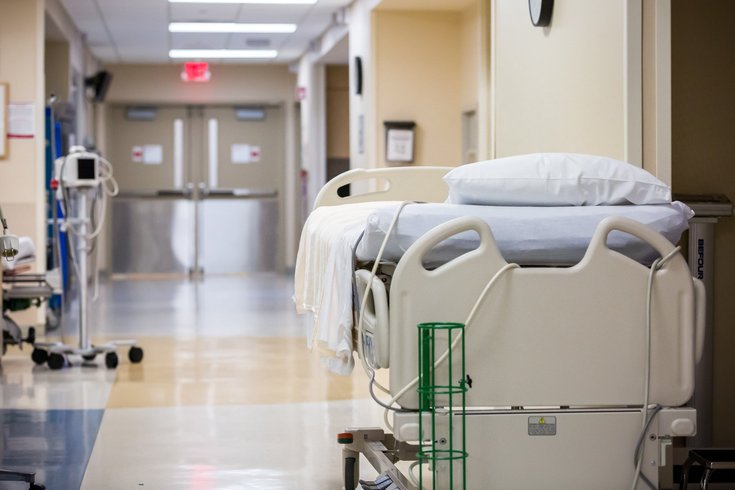 Thom Carroll/For PhillyVoice
The official tally of COVID-19 deaths in the United States during the first two years of the pandemic likely was undercounted by about 155,000, new research shows.
The number of people who died from COVID-19 during the first two years of the pandemic in the United States may be more than 15% higher than previously reported, a new study found. This suggests the American death toll was nearly 1 million people.
The research, published Wednesday, used artificial intelligence to identify deaths that may have been caused by COVID-19 but were not included in the official count. They found the U.S. tally of 840,000 deaths was undercounted by about 155,000.
The unrecognized deaths primarily were among minorities and populations with worse health before the pandemic started. They also were more common among people with lower economic statuses and less education, and people in the South, the study found.
To determine their findings, the researchers used an AI model to search through 5.7 million death records of adults age 25 and older who died from March 2020 through December 2021. The records were published by the Centers for Disease Control and Prevention.
The researchers first trained their model to recognize hospital deaths caused by COVID-19. During the first years of the pandemic, testing for the coronavirus was nearly universal. The researchers then used the model to determine whether deaths that occurred outside hospital settings were likely due to COVID.
They found that for every five deaths counted, about one death from COVID went uncounted.
"This study indicates that the US death investigation system reported COVID-19 deaths in a systematically inequitable way that hid the true extent of pandemic mortality and inequities," the researchers wrote.
They added that "the communities affected by the undercounting of COVID-19 deaths could be interpreted as a pattern of structural racism, classism, and ableism in the death investigation system that warrants further research and policy attention."
The AI techniques used in this study could be applied to other public health situations where deaths are suspected to be undercounted or incomplete, the researchers said. This includes deaths due to drug overdoses, deaths in police custody and deaths from Alzheimer's disease.
But AI methods should not be a substitute for enacting more comprehensive and representative ways of investigating deaths and for working to eliminate bias in death investigation systems, the researchers wrote.