





June 29, 2026
 Michaela Althouse/PhillyVoice
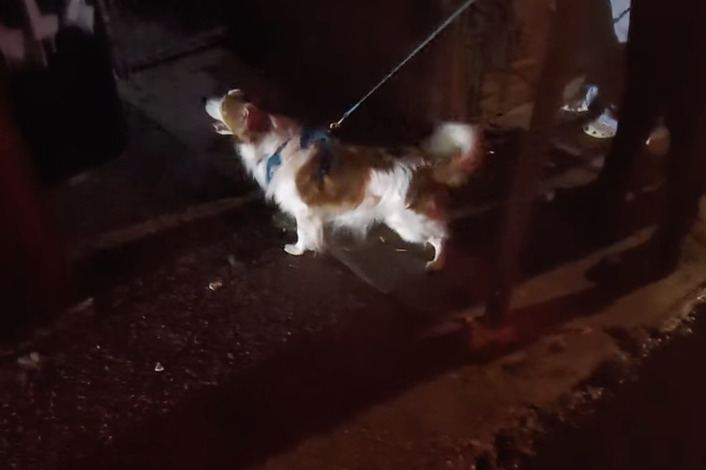
Jenna Walkling and her dog Torch, above, hunt rats at nights in the spring and fall to help keep the city's pest population down.
When Jenna Walkling got her dog Torch in early 2020, the pup initially seemed to adapt well to his new environment. But over the summer, his behavior changed, and she started to get worried that the transition from growing up on a few acres of land in New Hampshire to bustling city life in Philadelphia might be too much for him to handle.
"Then one day, we were out training on the (Benjamin Franklin Parkway) and a rat zipped by," the Frankford resident said. "The fireworks didn't matter, the train didn't matter, sirens didn't matter, prey mattered."
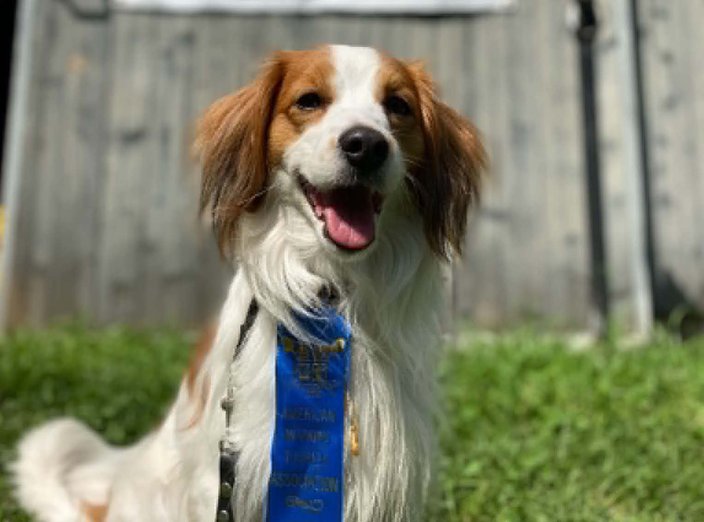
Walkling, a 37-year-old pet handler and dog trainer by trade, has spent the last few years taking Torch, a rare breed called a Nederlandse kooikerhondje that resembles a Brittany spaniel, rat hunting in Philadelphia. In cities across the country including New York and Washington, D.C., it's a growing method of pest control that advocates say is more humane than glue traps and poison, which can lead to slow and painful deaths.
After seeing her dog get so excited about the rat, Walkling remembered a video that had come across her feed a few years earlier of a group of dog owners hunting rodents in New York City. She messaged one of the founders, Richard Reynolds, with a video of Torch and his prey drive. Reynolds invited her to bring the dog to New Jersey for an evaluation, where his instincts would be put to the test. Torch showed strong promise, and Reynolds suggested that Walkling give rat hunting a try in Philadelphia.
Six years later, Walkling and Torch will roam the streets at night for two to four hours in the spring and fall — winter temperatures can make dog's paws cold and blistery and it's too hot in the summer for the dog to be out for very long. The pair only go out once or twice a week and will take a lot of breaks to make sure Torch isn't overworked, and they can catch up to three rats a night. Walkling previously had a second dog, Fella, who would also join hunts, but he passed away in February.
It's an unpaid gig, although some neighbors have offered to pay for vet bills, transportation and other expenses in exchange for clearing out rats. But for Walkling and Torch, it's a bonding activity and something they can do to help the community in their city.
Walkling already had canine first aid training for her pet care business before getting into hunting, but she still wanted to do a lot of health and wellness research before jumping into it. She learned about how much a dog's heart rate can jump in the process, which means frequent breaks are necessary, and that he should have a harness with a 30-foot lead instead of a collar. Although it's very rare for rats to carry rabies, she keeps that vaccination up-to-date and also gets annual leptospirosis shots, which protects against a bacterial infection.
On their hunting debut along the Benjamin Franklin Parkway, Torch caught a rat near the fountain in Logan Circle.
"The very first time I was screaming like a soccer mom, like, 'Get him, get him, get him!' And then he did it, and I was like, ah," Walkling said. "So then I just learned to look the other way and use a dog's poop bags like a glove, scoop it up, knot it, throw it in the trash."
Walkling said she never noticed rats before she started hunting with her dog, but they're everywhere if you know where to look. In the six years since she started, they've been all over the city, including Rittenhouse, Center City, Chinatown, LOVE Park, the area around Temple University, Brewerytown, Frankford, Kensington, Fairmount, Tioga, Port Richmond and South Philadelphia. But they only catch mice and rats, so raccoons, possums, foxes, groundhogs, birds and squirrels are all off-limits.
Before going out, Walkling will brush Torch, spritz his mouth with an oral spray, swap his regular leash out for one specifically used for hunting and put a protective balm on his paws. Hunts mostly consist of a walk around a neighborhood or park, but Walkling has also gone to businesses and homes to find access points in attics and basements, since the dog is small enough to get into the rafters and unafraid of the dark. Walkling has also trained him to use a small pair of goggles, if needed, to protect his eyes. Trash cans and dumpsters are hot spots, but she also will try to track the routes used by rats to find out why they're frequenting a certain area. Torch will spend the walk trying to catch the scent of his prey and "indicate" when he's found one with a bark, whine and fast tail wag.
After a hunt, Torch gets pampered with a full dental brushing, bath with sanitizing products and a blow dry, Walkling said. Scratches are unusual, but she'll clean and treat any if necessary. Hunting burns a lot of calories, so the dog's weight can fluctuate up to four pounds depending on how much they're out. But the biggest impact is really on Torch's temperament, Walkling said. He went from being a sensitive dog who pinned his ears back at the sound of fireworks to not caring about the noise at all.
"It's giving him a purpose," Walkling said. "Most dogs like an enrichment activity, especially with their owner."
Jenna Walkling and Torch walk through the city streets in search of rats.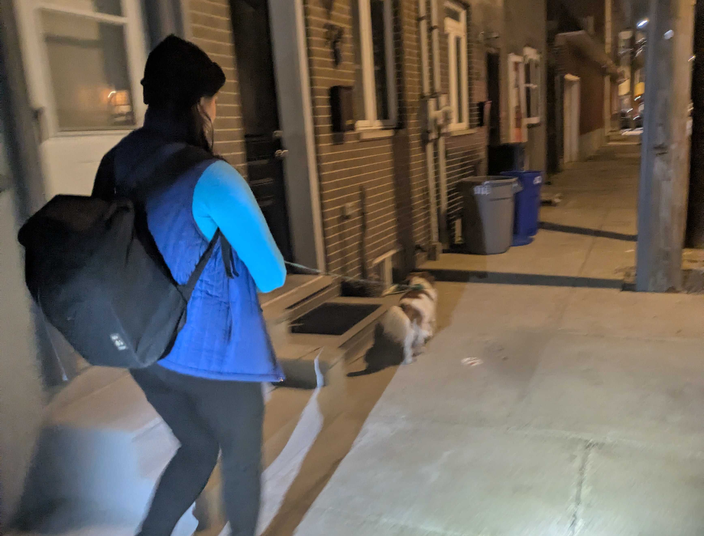 Michaela Althouse/PhillyVoice
Port Richmond resident Ashley Thomas said that while the area around her home was typically pretty rat-free, she and other neighbors recently noticed an increase and would even see them walking through the backyards on her block in the middle of the day. Neighbors called 311, but the problem was that the city will only send a representative out to the homes that call, Thomas said. So if there was a house that didn't notify the city but was attracting rats, there was little to be done.
Thomas said that another neighborhood organizer found Walkling on Facebook. Thomas has an entrance to the alleyway behind her home, so she let Walkling and Torch through to see what they could find. The pair didn't catch anything on their first visit, but they were able to track the pathway of the rats, and Walkling offered some advice on keeping the population down, such as taking a break from feeding the neighborhood cats to see if they would turn their attention to the rats. Multiple neighbors came out to see the dog, too.
"It did feel good that the neighbors were paying attention and going along with it," Thomas said. "That's where it feels hopeful because if the rat runs right in front of us and goes into a yard we can't get to, then the rat is gone, it just escaped. So it might have less chances to get away from us this time, and this will be an excellent opportunity to help neighbors where it might be needed."
Reynolds, one of the organizers of the Ryders Alley Trencher-fed Society (RATS) in New York City, said rat hunting for dogs is one-third genetic instincts, one-third advanced training and one-third on-the-job training. A dog needs to be prey-driven, able to be taught to drop a rat quickly after it's caught and learn through experience how to catch a rat and avoid being nipped. It's better for smaller dogs, although he's seen a pit bull terrier hunt with some success.
Reynolds' hunts in New York are quite different from Walkling's in Philadelphia, although she does hope to start a similar brigade in Philadelphia. He usually takes eight dogs and sends an email out to a listserv of about 70 people asking who would like to join that night. In that group, dogs are trained in separate jobs: some will indicate, some will flush a rat out of its hiding spot and some will catch.
But for Walkling's hunts, Reynolds said she doesn't need that kind of intense organization since her dog will do all three tasks. While it's not quite as efficient as Reynolds' operation, he said that both Walkling and her dog benefit from hunting, and while the same might not be true for the rats, he thinks poison and glue traps are worse ways to go than being caught by a dog.
"She considers it a public service, and I agree with her, she's not going to make an impact on the rats in Philadelphia, but she's out there trying," Reynolds said.
Owner Jenna Walking says rat hunting is what her dog Torch loves to do, even if she doesn't.
In her work to keep the population down, Walkling said she's found rats to be an interesting adversary, and she has a lot of respect for them. More experienced rats will communicate a warning to one another in an effort to escape the dog, she said, so she often has to rotate her hunting grounds.
Walkling said there's plenty of misconceptions about her work. Many fear that Torch will contract rabies, even though it's highly unusual for rats to be carriers. She also doesn't allow her dog to eat the rats, which limits the risk of him getting sick from rat poison. Many also fear that she's disrupting the natural habitat, but she doesn't think so, because rats aren't native to the United States.
Others have been concerned that hunting is unfair to the dog, and that he's being forced into it. But according to Walkling, dogs won't do anything they don't want to do, and rat hunting is one of Torch's favorite activities — even if Walkling herself doesn't always prefer it.
"I've had to kind of get over what I would want to do, I'd rather play fetch, I'd rather go swimming," Walkling said. "This is what he loves to do, so I let him do that. And we typically only have dogs for 10 years, so I encourage owners of any species they own, to find something they enjoy doing that is safe, healthy and responsible."