






February 06, 2026

 Source/Image licensed from Ingram Image
Bonding and enjoyment over family meals is linked to lower risk of drug and alcohol use among many adolescents, new research shows. The one exception is teens who have experienced significant amounts of adversity.
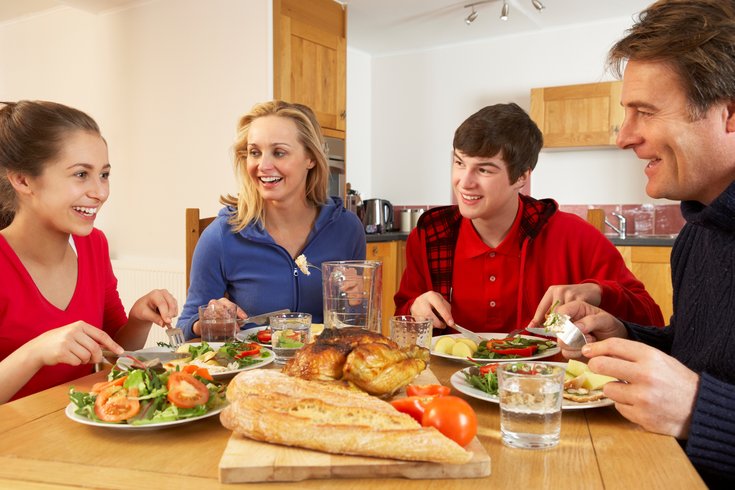
Family dinners don't have to be formal, or even that long, for them to have a positive impact on children, a new study suggests.
Regularly gathering for a meal, even if it's just sharing a quick pizza at the counter, reduces the risk that adolescents will turn to drugs or alcohol, research published in the Journal of Aggression, Maltreatment and Trauma shows.
"It's not about the food, timing, or setting; it's the parent-child relationship and interactions it helps cultivate that matter," said Margie Skeer, the study's lead author and chair of Tufts University's public health and community medicine department.
The research was based on survey responses from more than 2,000 adolescents, ages 12 to 17, and their parents. They each answered questions about the quality of family meal time, including enjoyment and bonding. The adolescents also answered questions about their substance use over the previous six months.
For children, having quality time during meals, including good communication and minimal distraction from phones and other devices, was associated with a 22% to 34% decrease in alcohol use, up to a 30% decrease in vaping and up to a 34% decrease in cannabis use.
But the findings did not hold true for adolescents who had experienced significant trauma or adversity. For adolescents who had had four or more adverse childhood experiences — ranging from having divorced parents to witnessing violence to experiencing sexual or physical dating violence — family meals did not seem to protect against substance use.
"While our research suggests that adolescents who have experienced more severe stressors may not see the same benefits from family meals, they may benefit from more targeted and trauma-informed approaches, such as mental health support and alternative forms of family engagement," Skeer said.