




September 01, 2025
 Michael Tanenbaum/PhillyVoice
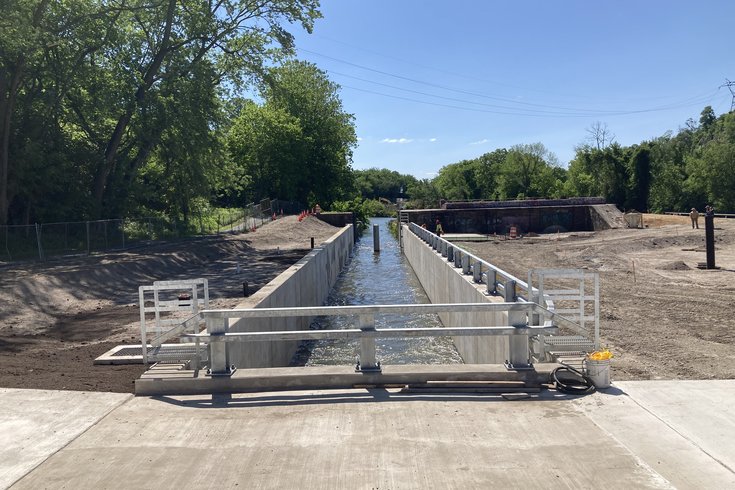
The Manayunk Canal was reconnected with the Schuylkill River in April as part of a $20 million project to restore water flow to the artificial channel. The canal, once part of a vital coal transport network in the 19th century, is now an important tool to improve water quality in Philadelphia and strengthen the ecosystem.
The Manayunk Canal, now flowing again with water from the Schuylkill River, was stagnant for 85 years with unsightly algae blooms marring the atmosphere along the towpath that runs beside it.
When the Philadelphia Water Department completed its $20 million project to reopen the 200-year-old canal in April, neighbors and frequenters of the Schuylkill River Trail rejoiced. The 2-mile-long waterway suddenly rushed with energy and flashed its potential as a scenic enhancement to one of Philadelphia's greatest meeting points of nature and industrial history.
MORE: The new freeze-dried John's Water Ice candy has a sweet backstory
Breathtaking views from Flat Rock Dam, where the river flows into the canal, figure to become a seasonal draw for Manayunk this fall along with the usual sights on the SRT and Main Street's restaurants and shops that get busier this time of year.
The project was mainly intended to rid the canal of built-up sediment and improve water quality downstream in the river, where the intakes for the Belmont and Queen Lane water treatment plants supply about 30% of the city's drinking water. Sensors installed at locations along the canal now monitor water quality and flow conditions.
Reopening the canal also benefits wildlife by restoring and expanding an ecosystem that was depleted in the decades after water flow from the river was closed. One project will introduce thousands of freshwater mussels into the canal to study how they filter the stream and adapt to changes in urban water quality.
"The Philadelphia Water Department has already observed direct water quality improvements," PWD spokesperson Laura Copeland said. "With the reintroduction of flow to the canal, water quality monitoring has shown increased dissolved oxygen concentrations that meet water quality goals for fish and aquatic organisms to thrive."
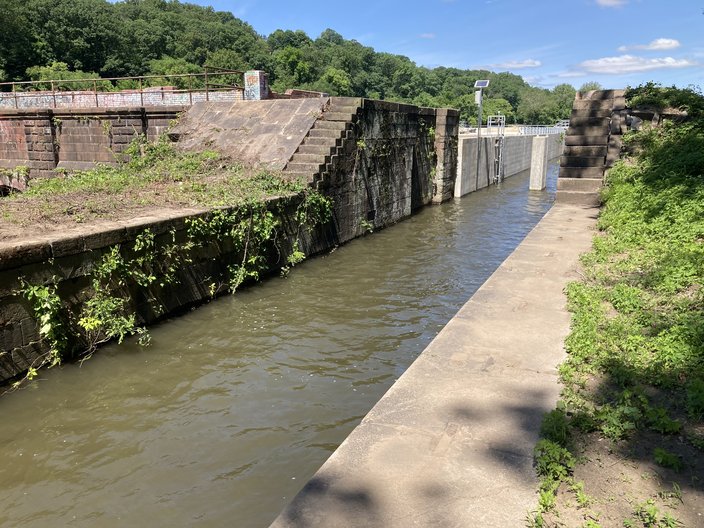
A section of the Manayunk Canal at Flat Rock Dam is shown above in May after the Philadelphia Water Department completed its $20 million project to reconnect the waterway with the Schuylkill River.
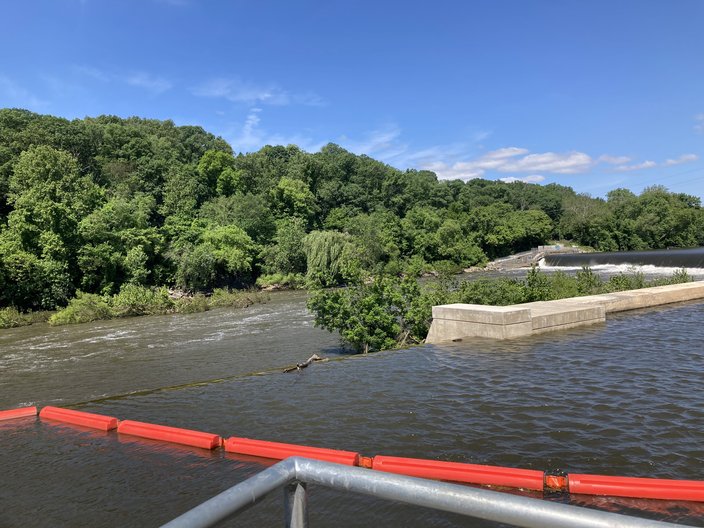
Flat Rock Dam is shown above in May from atop a new structure the Philadelphia Water Department built as part of the project to restore and reopen the Manayunk Canal.
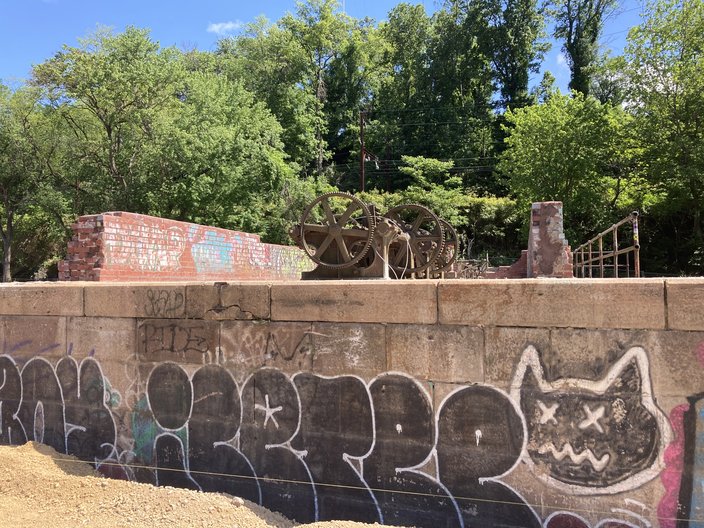
Part of the headworks of the Manayunk Canal, shown above, is among the structures preserved by the Philadelphia Water Department at Flat Rock Dam.
Another goal of the project was to make Flat Rock Dam more scenic and inviting to the public for recreation. Work was done to stabilize Lock 68 and the graffiti-strewn canal gatehouse, which help tell the story of a waterway that was once vital to the shipment of anthracite coal that fueled Manayunk's textile mills and supported industry throughout the region.
The Manayunk Canal was part of the Schuylkill Navigation, a 108-mile network of dams, canals, locks and aqueducts that ran from Port Carbon in Schuylkill County to Philadelphia. The peak year of operation for the system was 1859, when about 1.4 million tons of coal were carried along the route. In Manayunk, about 80 boats per day passed through the canal's 18-foot-wide clearance – they had only about 3 inches of space on either side – and the lock tenders would be notified of their approach by the blaring of a horn or conch shell.
By the late 19th century, competition from burgeoning railroads and problems with flooding led to the commercial decline of the Schuylkill Navigation. It closed in the early 1930s.
Copeland said it's only a coincidence that the canal project wrapped up in 2025, coinciding with the bicentennial of the system.
During a tour of Flat Rock Dam in May, PWD officials and a local historian told a few dozen people – many of them avid cyclists and hikers – about the history of the Manayunk Canal and how reconnecting it to the river will help nature rebound in the area. A trio of turtles could be seen sun-bathing on a low-lying canal structure, and officials said shad and striped bass had already begun entering the canal stream.
Views from Flat Rock Dam also illustrate the evolution of the region's transportation system. Up the tree-lined hill on one side of the river is the Schuylkill Expressway. On the other side, trains on SEPTA's Manayunk/Norristown Line rumble past the dam.
Schuylkill River Trail users will now find signs nearby the canal that explain its history and the work done to restore Flat Rock Dam.
In addition to other structures, the water department preserved three old sluice ways at Flat Rock Dam and built a new gate where the river now enters the canal. New greenery was also planted in the area this spring, and a series of green stormwater infrastructure basins were built to manage runoff.
For the water department, the project's completion marks a major milestone after more than three decades of planning to restore water flow in the canal. The work was completed over a three-year period using a loan provided by Pennvest, a state fund that supports water infrastructure projects. Philadelphia Parks & Recreation, the U.S. Army Corps of Engineers, the state Department of Environmental Protection and the Pennsylvania Historical and Museum Commission also were partners on the project.