






December 23, 2025

 Sora Shimazaki/Pexels
Norovirus strikes suddenly and causes severe vomiting and diarrhea. Thoroughly washing hands is the best way to protect against the illness. Cases often spike during the winter.
Gatherings with family and friends, drinks and feasts – the holidays can be merry and bright and also bring heightened risk of contracting norovirus, sometimes called the "winter vomiting disease" and the "stomach bug."
Norovirus is the most common cause of gastrointestinal illness, typically infecting 1 in 15 Americans each year, according to the National Foundation for Infectious Diseases. Norovirus cases have been rising nationwide since mid-October, and in South Jersey, Camden County officials recently reported an "unusual increase" in norovirus among children.
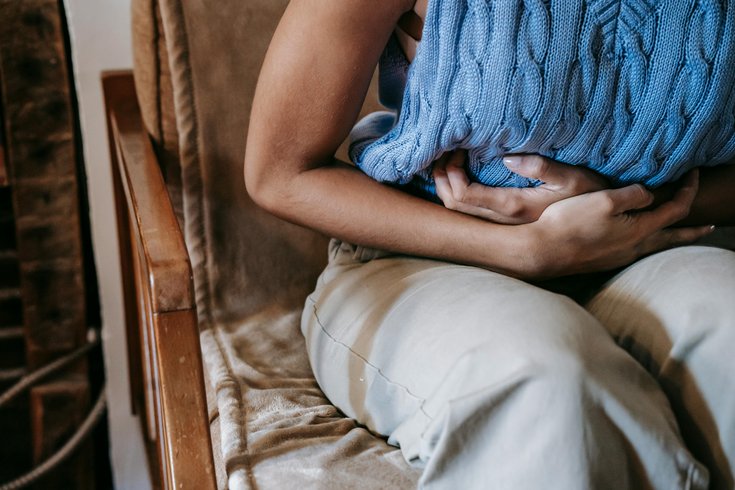
The vomiting, diarrhea and stomach cramps that are hallmarks of norovirus often hit people suddenly. Other symptoms may include headache, fever and body aches.
"People who've had it a lot of time will just sleep on the floor of the bathroom because they're going a lot," Melissa Jones, a virologist and an assistant professor of microbiology and cell science at the University of Florida, told Scientific American in 2023. "It's pretty miserable. Most people recover but are pretty dehydrated for a couple days."
Norovirus is highly contagious and the leading cause of foodborne illnesses in the United States. It typically spreads through contact with fecal matter and vomit, the CDC says.
"The common way of getting norovirus is eating it," Dr. Peter Chin-Hong, an infectious diseases physician at UCSF Health in San Francisco recently told the New York Times.
Norovirus can infect people year after year, because the body does not develop immunity against it, and the virus appears in many different types, the CDC says.
Despite the notion that norovirus ravages cruise ships, they account for only about 1% of total outbreaks. Health care facilities, schools, daycares, restaurants and other communal settings can be breeding grounds for norovirus, the National Foundation for Infectious Diseases says.
Antibiotics are ineffective against the gastrointestinal illness, because it is a virus. Though norovirus usually goes away in about three days, it can leave people severely dehydrated, especially children under 5 and older adults, the CDC says.
Drinking plenty of water and other fluids that do not contain alcohol and caffeine can help protect against dehydration. Decreased urination, dry mouth, dizziness and other symptoms are signs of dehydration and may require medical attention and intravenous fluids.
The best protection against norovirus is washing your hands for at least 20 seconds with soap and water before and after eating and handling food, after using the bathroom or changing a diaper and before dispensing medicine, health experts say.
But norovirus germs can stay on kitchen counters, bathroom sinks and other surfaces for up to two weeks, and most disinfecting wipes and alcohol-based hand sanitizers do not get rid of it, the Cleveland Clinic says.
To decontaminate surfaces and clean homes where someone is infected:
• Mix 5-25 tablespoons of household bleach into 1 gallon of water.
• Wear gloves and a mask to avoid being exposed to aerosolized norovirus.
• Wipe up as much of the mess as you can using dry paper towels or rags.
• Put your bleach solution on the affected area and let it sit for at least 5 minutes.
• Wipe up the disinfectant.
• Launder any soiled clothes, rags or linens in high heat on a long cycle.
• Clean and sanitize any non-disposable cleaning items.
• Take out contaminated trash like paper towels or disposable gloves.