






February 26, 2026
Most Americans don’t get enough fiber, even though it’s essential for digestive health and disease prevention. Found in plant foods, fiber is a carbohydrate your body can’t digest but still relies on for key functions.
Often called bulk or roughage, fiber moves through the digestive system mostly unchanged. Along the way, it helps keep bowel movements regular, supports healthy gut bacteria, and plays a role in your overall health.
There are three main types of fiber. Soluble fiber dissolves in water and forms a gel-like substance in the digestive tract, while insoluble fiber stays intact and adds bulk to stool. Fermentable fiber, which includes most soluble and some insoluble fiber, is broken down by gut bacteria and used as fuel.
Soluble fiber helps soften stool and slows digestion, which can help you feel full longer and support weight management. It also slows sugar's absorption into the bloodstream, helping with blood sugar control.
Research suggests that soluble fiber may lower the risk of heart disease, stroke, and high blood pressure by helping reduce cholesterol. It does this by binding to bile acids in the gut, prompting the liver to use cholesterol from the blood to make more bile.
Insoluble fiber helps move waste through your digestive system by adding bulk to stool. That can help keep your bowel movements regular and provide relief when you’re constipated. It’s also why insoluble fiber can be used to prevent or treat diverticular disease, which affects the colon.
Fermentable fiber supports gut health by feeding “good” bacteria. As those bacteria break fiber down, they produce compounds that help reduce inflammation, support immune function, and promote colon health. These effects may help lower the risk of colorectal disease and improve your overall health.
Fiber needs vary by age and sex. Women aged 50 and younger should aim for about 25 grams per day, dropping to 21 grams after age 50. Men should aim for about 38 grams per day through age 50, and 30 grams after that.
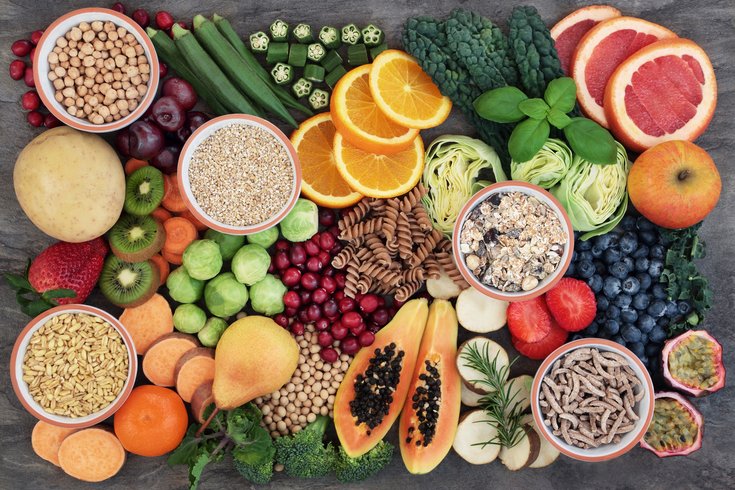
The easiest way to meet those goals is to eat a variety of plant-based foods, including fruits, vegetables, whole grains, legumes, nuts, and seeds.
Small food swaps can make a difference. Choosing whole grains instead of refined grains, snacking on fruits or nuts instead of chips, and adding beans to meals several times a week can steadily increase your fiber intake. Whole fruit also provides more fiber than juice, and breakfast options like oatmeal or high-fiber cereal topped with nuts and fruit offer an easy starting point.
Adding vegetables to meals is another simple strategy. Starting dinner with a salad or mixing vegetables into pasta, rice, or grain dishes is an easy way to do this without making major changes to your eating habits.
It’s important to increase fiber gradually, since a sudden jump can cause gas, bloating, or discomfort. Drinking enough water is also essential, as it helps fiber move through our digestive system more comfortably.
Getting enough fiber is less about strict rules and more about everyday choices. Swapping refined foods for whole grains, eating more fruits and vegetables, and adding legumes or nuts to meals can support digestion and lower your risk of disease over time.