




July 02, 2026
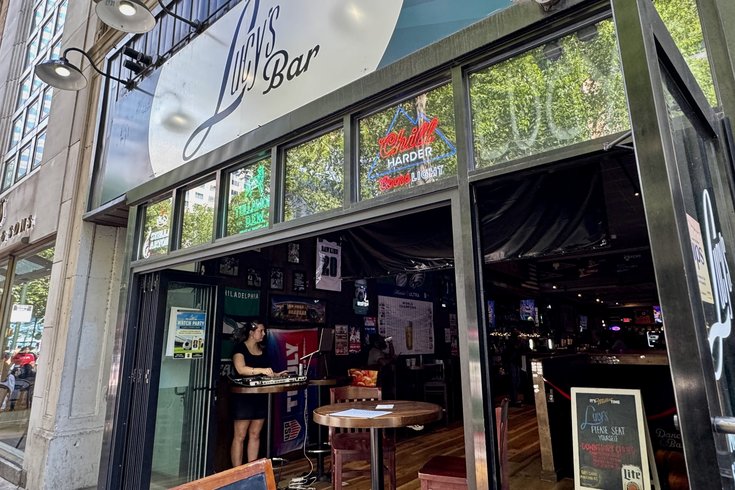 Molly McVety/PhillyVoice
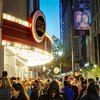
Lucy's Bar in Rittenhouse is one of the bars that owner FCM Hospitality is keeping open until 4 a.m. during the World Cup.
Not all Philly bars that received limited-time permits from the state to remain open until 4 a.m. during the World Cup are putting that special extension to use — even as some late-night hot spots say business is booming.
For FCM Hospitality, which owns six of the 17 bars that received the Philadelphia 250 Permit in time for the opening match on June 11, owner Avram Hornik said he decided after earning the exemptions that it only made business sense to extend the hours at Lucy's and Dolphin Tavern and not the other four of his bars that received approval — Craft Hall, Morgan's Pier, Liberty Point and Concourse.
MORE: City Tavern's garden to be turned into history-themed pop-up bar this summer
"There's real costs and risk with extending your hours by two hours," he said. "But … Philadelphia is a great nightlife city and it has potential to be even greater. Part of that is we have to be able to serve our guests and our patrons in a way that makes sense."
Hornik also weighed whether bars have outdoor settings or are within close proximity to residential areas when making the decision on which of his establishments would utilize the exemption, which runs from June 11 to July 20.
Receiving the permit requires significant time, money and effort for business owners. Owners had to pay $250 to the city's Department of Commerce and complete a daylong Liberty Bell Safe Certification Program before even getting a chance to apply for a $500 permit from the Pennsylvania Liquor Control Board. It took at least 30 days after the application was submitted for it to be processed and approval was contingent on not having any outstanding licensing or inspection issues. The city also has the right to revoke applications at their discretion.
As of Wednesday, 49 bars and restaurants have had their Philadelphia 250 Permit approved by the PLCB. Eight establishments, including Cellar Dog in Center City, have canceled their permits. Another nine remain in review, according to the PLCB database.
Despite having to jump through the various bureaucratic hoops and pay around $4,500 for all of his bars' required clearances, Hornik said his strategy was to set a precedent to local and state governments that taking risks on the city's hospitality industry is worth it. That meant supporting the program however he could — even if that meant not following through at some of his bars that received the exemption.
"There's not a lot of leaders who are proactive and who take risks to do something good for hospitality over the long run," he said. "So this is an initiative which is really good for the city over the long run, and I wanted to make sure that we supported it by participating in the process."
In the first few weeks of the program, Hornik said business has been steadily growing. By around 2 a.m. on the first weekend, sidewalks outside of Lucy's in Rittenhouse that would usually be filled with patrons calling their rides home were replaced with dozens of people waiting in line to keep the party going.
For Dolphin Tavern in South Philadelphia, which is staying open until 4 a.m. for only five nights throughout the duration of the World Cup, the permits have allowed it to appeal to a new audience of night owls.
"It kind of opens the door to new opportunities," Hornik said. "There's also obviously a lot of energy with the World Cup games that are on late. We have a lot of international visitors in town. So it's nice to be able to accommodate them as well."
To assist staff members with the later hours, Horvik said FCM is offering bonuses and overtime pay to their hourly workers. Additional workers were also hired on a temporary basis. Aside from the later hours, staff members didn't report many changes from a usual weekend night. To Hornik, that's a good thing.
"Anytime you change behavior and allow two additional hours of service, you're going to create additional risk, and we don't want increased problems," he said. "It was just kind of a celebration of the city, of nightlife, of being young, of enjoying friends and fellowship. … We see it not as a short-term money grab, but a long-term investment in the location and the brand in the city."
If all continues to go well, Hornik said he could envision a later nightlife scene in Philadelphia, but only if it's done in the correct way.
"I see it as a pilot program to kind of show that the net benefits are good for the city as a whole … but I think there are circumstances where this might work" he said. "If Philadelphia isn't fun, people aren't going to want to live here. … You should really enjoy being with your friends, enjoy being with your community, meeting new people. This is the nature of America."