






January 13, 2026

 KEN TRELOAR/UNSPLASH.COM
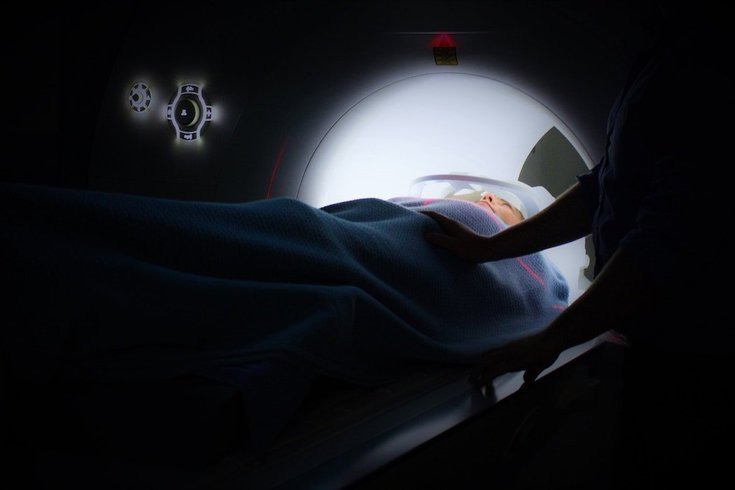
Cancer survival rates have reached an all-time high, with advanced and fatal cancers seeing the greatest gains, a new report from the American Cancer Society says. Above, a woman receives a CT scan.
More people are surviving cancer than ever before, new data from the American Cancer Society shows.
Seventy percent of people diagnosed with cancer now live at least another five years, up from about 50% in the 1970s and just over 60% in the mid-1990s, findings published Tuesday by the American Cancer Society show.
"This stunning victory is largely the result of decades of cancer research that provided clinicians with the tools to treat the disease more effectively, turning many cancers from a death sentence into a chronic disease," said Rebecca Siegel, senior scientific director of surveillance research at the American Cancer Society and lead author of the study. The annual report is considered the gold standard in cancer reporting and data.
Reduced tobacco use and improved treatment options, such as immunotherapies, helped avert 4.8 million cancer deaths between 1991 and 2023. Improved survival rates for fatal cancers, such as liver cancer, lung cancer and a blood cancer called myeloma were particularly notable, according to the report.
For instance, the five-year survival rate has increased since the mid-1990s from 20% to 37% for people diagnosed with lung cancer that has spread to nearby areas and lymph nodes. Still, lung cancer will be the primary cause of cancer deaths in 2026, with more people who have never smoked being diagnosed with the disease, the report said.
Incidences of certain common cancers, such as breast, prostate and liver cancer, as well as melanoma, are also increasing. There will be more than 2 million new cancer diagnoses in 2026, with an estimated 626,140 people dying from the disease, according to the report's estimates – emphasizing the need for continued research into new therapies. That research is being undermined by the Trump administration's cuts to research and grant funding.
"Decades of research and work in this area have led to longer, better lives for millions of Americans with cancer," Cardinale Smith, chief medical officer at Memorial Sloan Kettering Cancer Center, who was not involved in the report, told the Washington Post. "This continued progress also depends on the sustained investment that we've had in the research that has gotten us here."
Other key findings of the report include:
• Five-year survival has improved dramatically for distant-stage cancer since the mid-1990s, doubling for all cancers combined (from 17% to 35%), for melanoma (16% to 35%) and for rectal cancer (8% to 18%).
• Native Americans have the highest cancer mortality, including death rates about two times those of white people for cancers of the kidney, liver, stomach and uterine cervix.
"Lack of access to high-quality cancer care and socioeconomics continues to play a significant role in persistent racial disparities," said Dr. Ahmedin Jemal, senior vice president of surveillance, prevention and health services research at the American Cancer Society and senior author of the report. "Efforts need to be focused on these areas so successful targeted cancer control interventions can be more broadly and equitably applied to all populations."