






March 09, 2026

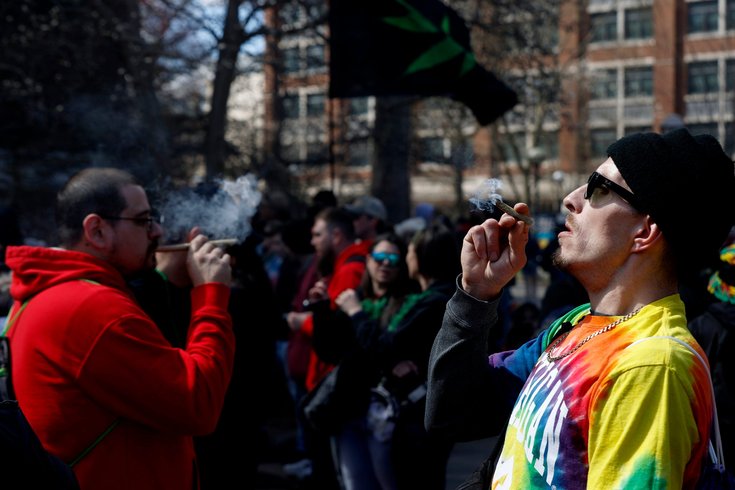 Eric Seals/Imagn Images
Recreational drug uses, including smoking marijuana, may significantly increase the risk of stroke, a new study shows. Above, people smoke marijuana at the 53rd Ann Arbor Hash Bash at the Diag on the campus of the University of Michigan in 2024.
Recreational drugs, including marijuana, may significantly increase the likelihood of stroke later in life, a new study found.
Using data from 100 million people, researchers found that amphetamine use increased the risk of stroke by 122%, and that cocaine use raised it by 96%, when compared to people who did not use drugs. Cannabis use increased stroke risk by 37%. The study did not find any links between opioid use and stroke.
MORE: Americans desire long, healthy lives, but mistakenly rely on external factors to reach their goals
Among adults younger than 55, amphetamine use increased stroke risk by 174%. Cocaine use increased it by 97% and cannabis use raised it by 14%.
The study, published in the International Journal of Stroke in late January, was conducted by researchers at the University of Cambridge in the United Kingdom.
The researchers noted that stroke is the third leading cause of death and disability worldwide. But it is heavily influenced by modifiable lifestyle factors, including diet and exercise.
The link between recreational drugs and stroke is likely due to the impacts that drugs have on the body, including sharp spikes in blood pressure, heart rhythm changes, and blood vessel spasms and constrictions, researchers said. Cannabis use also can lead to increased blood clots, and amphetamines can contribute to inflammation and vasculitis — when blood vessels swell or become irritated.
Each of those health issues are connected to ischemic strokes, which are caused by blood clots, or hemorrhagic strokes, which are caused by ruptured blood vessels.
"Our analysis suggests that it is these drugs themselves that increase the risk of stroke, not just other lifestyle factors among users," said Eric Harshfield, an Alzheimer's Society research fellow. "Taken together, our findings emphasize the importance of public health measures to reduce substance abuse as a way of helping also reduce stroke risk."
Cocaine use, in particular, was linked to brain hemorrhages and cardioembolic stroke, when a blood clot is formed in the heart and blocks blood flow to the brain. Cannabis was connected to large artery strokes, in particular.
Though alcohol use wasn't a focus of the study, researchers found that "problematic alcohol" increased risk to cardioembolic and large artery strokes, and alcohol addiction increased general stroke risk.
Researchers pulled data for the study from previously published research. They said this allowed them to bring together smaller, previous studies for more comprehensive conclusions.
Cannabis use, particularly frequent use, has been linked to heart attacks and stroke by past research. A 2024 study published in the Journal of the American Heart Association found that daily marijuana use, including smoking and other forms of consumption, increased the likelihood of stroke by 42% and heart attack by 25%.