




June 10, 2026

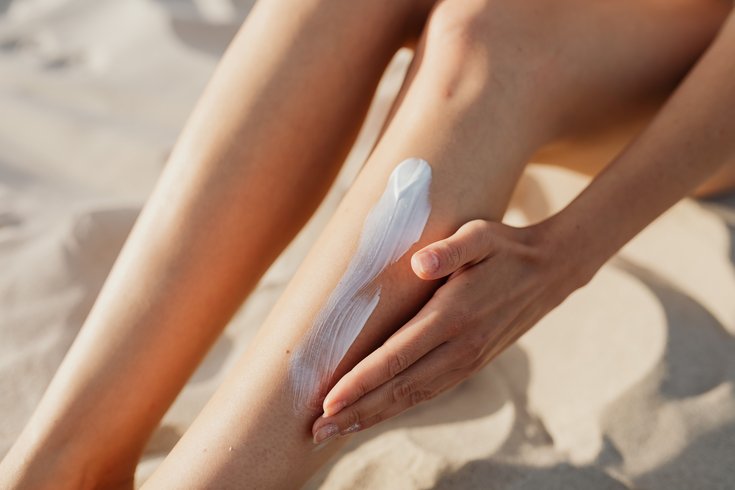 Kaboompics.com/Pexels
A sunscreen ingredient approved by the FDA will make U.S. sunscreen products more effective, experts say. The ingredient, known as bemotrizinol, has been used in Europe and Asia for decades.
Americans soon will have access to more sunscreen containing a more effective ingredient that has been available in Europe and Asia for decades.
The chemical, called bemotrizinol, or BEMT, is the first active sunscreen ingredient to win U.S. Food and Drug Administration approval since the late 1990s. It blocks UVA and UVB rays and doesn't degrade in the sun as quickly as other products, according to a statement from the Environmental Working Group, which has advocated for BEMT since 2019.
MORE: As a child of the '80s, I got sunburn all the time. Now, I get regular check-ups for skin cancer
BEMT is one of only three ingredients used in sunscreen – including zinc oxide and titanium dioxide – that are considered safe for children 6 months and older.
The FDA's approval of BEMT is "a pretty big deal," AJ Addae, a chemist and doctoral candidate at the University of California, Los Angeles, told Scientific American.
Widening the pipeline of ingredients available to sunscreen manufacturers in the United States is "definitely something that we haven't had in a very long time," Addae said. The move expands sunscreen options and encourages more people to use these products daily, the Skin Cancer Foundation said. This will help prevent skin cancers, the most common type of cancer.
Until now, U.S. consumers have had to choose between mineral sunscreens, which contain zinc oxide or titanium dioxide, or existing chemical sunscreens. Mineral sunscreens, which contain zinc oxide or titanium dioxide, help block UVA and UVB rays but leave a white residue on the skin that some people find unpleasant. Chemical sunscreens rub in more smoothly, but break down more easily, requiring more frequent application.
Additionally, a 2021 study conducted by EWG found that sunscreen products actually provided just a fraction of the sun protection factor, called SPF, listed on their labels.
"For decades, Americans have used outdated sunscreen tech while the rest of the world moved forward," David Andrews, chief science officer at EWG, said in the statement. "The approval of bemotrizinol will help change that. ... This is a win that has been a long time coming."
Sunscreens containing BEMP do not need to be reapplied as frequently as existing chemical sunscreens. And they offer protection against UVA and UVB rays.
The hold-up on BEMT, and other active ingredients in sun protection used in other countries, is because the FDA considers sunscreens to be medications rather than cosmetics. This has encumbered the approval process with lengthy testing requirements, delaying improvements in available sunscreen products in the United States, according to health experts.
BEMT is the first active ingredient to receive approval under a less-cumbersome regulatory process approved under the 2020 CARES Act.
The Dutch company, DSM Nutritional Products will have exclusive rights to sell Parasol Shield, its sunscreen containing BEMT, for the first 18 months. It is expected to come to market later this year, CBS News reported.