






August 10, 2026

 USA TODAY Network/via Reuters Connect
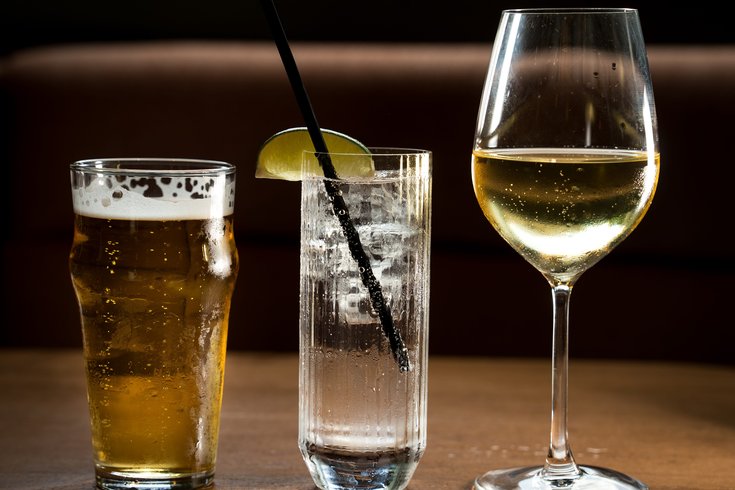
While alcohol is generally thought to increase risk of cancer and other diseases, a new study found that wine might have a positive impact on mortality compared to other types of booze. Above, a beer, a highball cocktail and a glass of wine.
While heavy drinking is known to cause health issues, a new study has found that the type of alcohol, not just the amount, can play a role in mortality.
Looking at self-reported data from 340,000 adults in Britain from 2006 to 2022, scientists found that drinking heavily led to a higher risk of death regardless of what kind of alcohol was consumed. But for people who drank at a more moderate level, consuming beer, cider and hard liquor had different impacts than drinking wine, which was actually found to lower certain risks. The results, based off data in the UK Biobank, were published by ScienceDaily on Sunday.
In the early stages of the study, participants were placed into four groups:
• Never or occasional drinkers: Less than 1.5 standard drinks (12-ounce can of beer, 5-ounce glass of wine or 1.5-ounce shot) per week.
• Low consumption: Men averaging less than about 1.5 drinks a day and women less than 1 drink a day.
• Moderate: Men averaging less than about three drinks a day and women less than about 1.5 drinks a day.
• High: Any consumption that exceeds moderate levels.
The high consumers were 24% more likely to die from any health issue or cause, 36% more likely to die from cancer and 14% more likely to die from heart disease, no matter what they were drinking. But the three lower tiers showed discrepancies between alcohols. The low and moderate consumers of beer, spirits and cider drinks had a 9% higher risk of cardiovascular deaths compared with the never or occasional drinkers. Wine drinkers, meanwhile, had a 21% lower risk of cardiovascular death than those who rarely or never drank.
"Our findings help clarify previously mixed evidence on low to moderate alcohol consumption," Zhangling Chen, the study's lead author, said in a statement. "These findings can help refine guidance, emphasizing that the health risks of alcohol depend not only on the amount of alcohol consumed, but also on the type of beverage. Even low to moderate intake of spirits, beer or cider is linked to higher mortality, while low to moderate intake of wine may carry lower risk."
Researchers didn't have a firm answer on why wine had a different effect, but noted that red wines could have cardiovascular benefits because they contain polyphenols and antioxidants. Wine drinkers also tend to consume their drinks with meals and were often associated with participants who had better diets and healthier overall habits.
Hard liquor, beer and ciders, on the other hand, were often drank outside of mealtimes and correlated with worse diet and lifestyle habits.
However, researchers noted that the study was based on self-reported drinking habits at the beginning of the time frame, so it did not account for any changes in consumption habits. Highly randomized trials would be necessary to clarify the specific health impacts, they said.
Other studies have linked the averse affects of alcohol to mortality, although they did not separate out specific kind of beverages. In June, a study found that consuming just one drink per day increases the risk of cancers, early death and heart and liver diseases. Two drinks per day increased the risk of early death to 1 in every 25 people, that same study found. Alcohol has long been linked to a higher cancer risk, as well.