






June 30, 2026

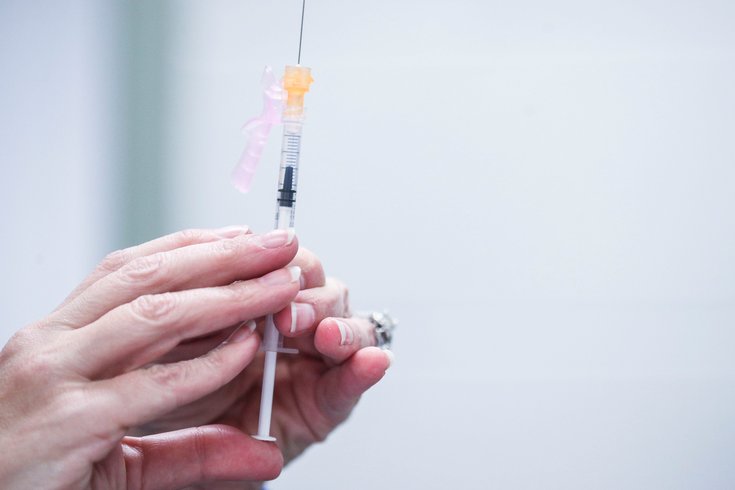 Matt Stone/The Louisville Courier Journal; USA TODAY NETWORK
Getting COVID-19 and flu shots on the same day is safe, a new study found.
Getting flu and COVID-19 shots on the same day is no riskier than getting the flu vaccine alone, a new study says.
The research published Tuesday in the journal Annals of Internal Medicine showed that co-administering flu and COVID vaccines on the same day did not increase the risk of heart attacks, strokes or other acute cardiovascular issues. The study also found that same-day administration of both shots did not raise the risk of neurological disorders, autoimmune-related disease or other serious health problems.
The results confirm earlier research about the safety of getting the vaccines on the same day – with some exceptions – and "may help inform vaccine policy discussions," according to a news release.
There is ongoing research into a combination flu and COVID vaccine, but complications include changes in variants for both viruses year to year and making sure a combined vaccine would be as effective as individual shots, according to GoodRx.
For the new study, researchers used data from 2.5 million patients in the U.S. Department of Veteran Affairs healthcare system to analyze the effects of co-administering COVID and flu vaccines. They compared outcomes after three months from 700,000 people who had both vaccines, to more than 1.8 million people who had just the flu shot, at appointments between 2022 and 2025.
The researchers looked at outcomes 90 days out for 46 different health conditions, including life-threatening ones and less serious ones. Health outcomes for both groups were similar.
The study comes at a time when vaccine recommendations have become more complex.
Last year, Health and Human Services Secretary Robert F. Kennedy Jr., a longtime vaccine skeptic, cancelled studies on mRNA vaccines and fired all 17 members of a committee of experts that makes annual recommendations on vaccine policy to the Centers for Disease Control and Prevention.
Kennedy has since remade the committee with 13 new members and a new charter that shifts the group's focus from guiding vaccine policies and recommendations to looking at other ways to combat viruses, according to the University of Minnesota's Center for Infectious Disease Research and Policy.