





April 08, 2026

 Mike Schenk/Imagn Images
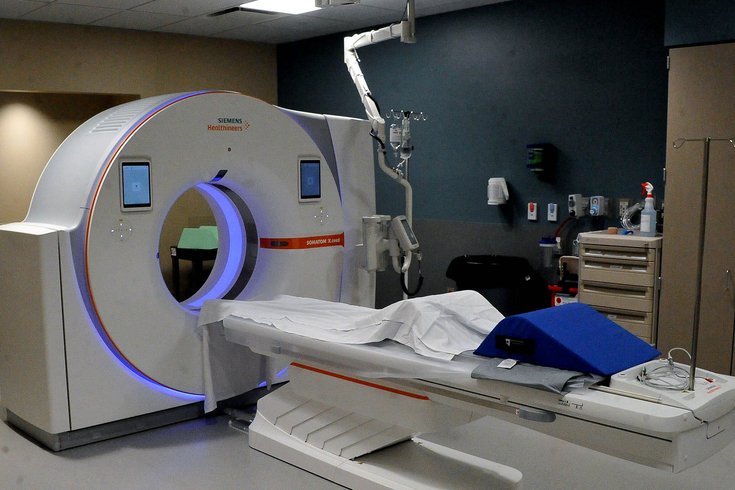
The gap between the number of scans ordered and the number of radiologists available to read them has surged in recent years, new research shows. Above, a CT scan is set up in the imaging department at Wooster Community Hospital in Ohio.
The time between getting imaging to diagnose a health problem and receiving the results has more than doubled since 2014, with low-income communities most impacted, a new study says.
The findings, published in the Journal of the American College of Radiology, looked at wait times for results from more than 2.6 million CTs, MRIs, ultrasounds and other scans conducted between 2014 and 2023 for Medicare recipients.
MORE: As RSV spreads at unusually high rates, Pa. and N.J. extend windows for infant immunizations
Wait times were relatively level between 2014 and 2021, but they surged starting in 2022, in large part because of a shortage of radiologists available to handle mounting numbers of scans. Waiting longer for results means delays in diagnosis and treatment, the researchers said.
"The results show that an inflection point has occurred," the study's senior author, Dr. Greg Nicola, economics chair of the American College of Radiology, said in a news release. "Turnaround times were stable for many years and then doubled in two years."
Population growth in the United States, which has increased demand for imaging, has outpaced the number of radiologists entering the field. The problem worsened when a large number of doctors left the workforce – including radiologists – after the COVID-19 pandemic, according to the American College of Radiology.
These factors spurred the researchers to conduct the study. They found the average wait times for CT scan results increased by nearly 318% between 2014 and 2023. Wait times for MRIs increased by more than 250% and ultrasounds by more than 140%.
But the highest increase in wait times started in 2021, with people in lower income communities waiting longer than people in higher-income groups, the study found.
"While turnaround times increased for all income groups, they increased more for the low-income groups, worsening already longer turnaround times in these communities as a secondary effect," said study co-author Dr. Michele Johnson, professor of radiology and biomedical imaging at the Yale School of Medicine.
The "potential negative clinical impact" of increasing turnaround time between when people have imaging tests and when a doctor interprets the results needs to be monitored closely, said Dr. Cindy Yuan, another of the study's co-authors.
"We think these results are an early indicator of a worsening problem," said Yuan, an assistant professor of clinical radiology at the Indiana University School of Medicine. "If the sudden change in 2022 reflects that there is no remaining capacity for the radiology workforce to absorb new workload, then continued imaging growth will eventually impact patients."