






June 08, 2026

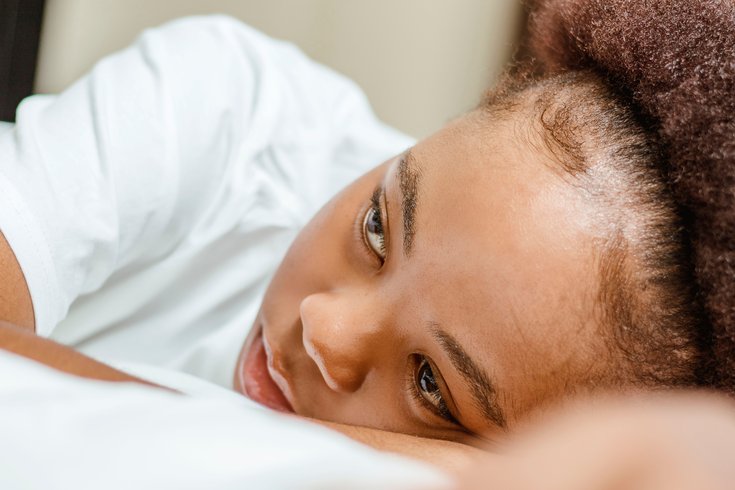 Kebs Visuals/Pexels
Shifts in sleep, diet and movement may be signal anxiety and depression in children and teens over summer, a local behavioral health provider says.
Many children and parents feel relieved when summer dawns and the pressures of school temporarily end.
But even though summer can seem like a break from anxieties, it may only put them into a sort of false suspension – and even aggravate them for some children who struggle with a lack of structure.
MORE: Most college students with psychosis do not get the help they need, study finds
"A lot of people look at summer as the break they've been waiting for, as 'I get to sleep in. I get to not have any pressures, to have deadlines or whatever it might be,'" said Rachael Bevilacqua, president of the behavioral health provider Sanare. "That can feel great temporarily, but what happens is your brain gets accustomed to that throughout the summer, and then going back to school come August, September, is such a hard transition."
Bevilacqua said that Sanare — which offers therapy and group programs to youth and adults in the Philadelphia area — sees patient numbers and referrals spike each fall, when students return to school and academic, social and other pressures switch on again full tilt. Instead, parents and students can use summer as a time to gain mental health strategies and practice handling anxiety, stress and depression, she said.
"Why are we putting our kids through this process of, 'Let's wait till it's bad,' and then while it's bad, 'You have to keep showing up to school. We're going to do this hard work?'" said Bevilacqua, a licensed professional counselor. "Why not do it now?"
The COVID-19 pandemic aggravated mental health problems in children and teens, who already had high rates of anxiety and depression. More than 40% of high school students said they had persistent feelings of sadness or hopelessness and 10% reported having attempted suicide, according to the 2023 Youth Risk Survey from the Centers for Disease Control and Prevention.
For students who are struggling with mental health issues during the academic year, Bevilacqua recommended that parents encourage them to get help over the summer by saying something like, "I watched you for however many months struggle and not be able to surpass or get better, and I know that you are capable of so much more. I love you too much to watch you suffer again this upcoming year. I want to set you up for success."
Parents may even compare mental health treatment – whether it's through group or individual therapy – to prepping for the SATs, Bevilacqua said.
She said parents can tell their children, "We know what you're going to be challenged with in the fall. We know the questions on the test, and we're going to help you practice."
At the very least, parents should encourage their children to keep a regular sleep schedule in the summer, rather than shifting bedtimes and wake-up times during the school year, Bevilacqua said. Giving children and teens specific chores and helping them establish summer activities and routines is also important.
"'You know, 'Get dressed every day. Make sure you're actually eating lunch. Leave the house every single day,'" she said. "'We shouldn't be sitting at home all day.'"
Signs that children and teens might be struggling with their mental health during the summer months may include changes in sleep and diet, as well as isolating from friends, Bevilacqua said.
"If they are not only sleeping in till late hours with no structure, but also struggling to get out and get going in any capacity, that's a red flag," she said.
The Child Mind Institute offers further tips to help children maintain healthy schedules and optimize their mental health over summer break.