




October 24, 2025
 Sarah McClure/Keep Quiet and Forgive
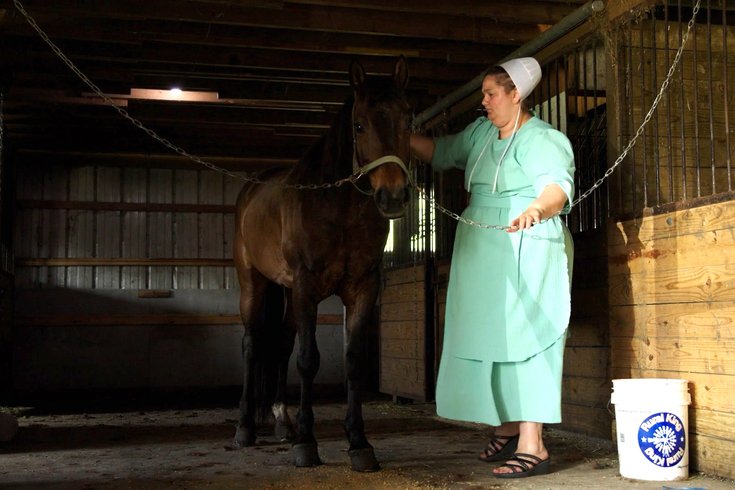
'Keep Quiet and Forgive' features sexual assault survivors from Amish communities in Lancaster and elsewhere in the U.S. The documentary will air on PBS in 2026.
Rape survivors come forward in "Keep Quiet and Forgive," a documentary that examines sexual abuse in the Amish community and the code of silence that enables it.
The documentary, which recently played the Philadelphia Film Festival and airs next year on PBS, calls attention to a widespread issue within insular Amish fellowships. Women recall repeated abuse at the hands of deacons, uncles, fathers and brothers, sometimes starting when they were just 9 years old. Those who confided in a trusted adult were told to bury the secret, even as the abuse continued.
"Keep Quiet and Forgive" is an expansion of journalist Sarah McClure's widely-read expose in Cosmopolitan. Several sources followed her to the film, which is partially set in Lancaster County, home of the largest and oldest Amish community in the U.S.
McClure was first drawn to the subject after spending time in Lancaster — where she later moved — and trying to learn more about her eventual neighbors. After attending educational conferences at Franklin & Marshall College, she met a formerly Amish woman who shared her history of abuse — and emphasized that her story was all too common.
"The way that she basically painted the picture in this very first conversation was that it happens a lot," McClure said. "She said, 'I have this friend, I have this family member, I have this friend, I have this cousin.' And she basically gave me contacts for 10 people."
One of those people was Lizzie Hershberger, the primary subject of the documentary. Hershberger pursued charges against her abuser, who was sentenced to 45 days in jail and 10 years of probation in 2019 for sexual crimes committed decades earlier in Minnesota. She now accompanies other women to the trials of their abusers, which can be a particularly fraught environment. As the documentary shows, crowds of Amish typically show up to support the defendant and, as Hershberger sees it, intimidate the survivors.
Hershberger and most of the subjects in "Keep Quiet and Forgive" left their Anabaptist congregations long ago, but making a clean break is a painful process. Those who leave are typically pressured to return, and shunned when they do not. Since the Amish avoid most technology and stop educating their children after the eighth grade, starting a new life is exceptionally difficult. McClure likens it to immigrating to a new country.
"It takes beyond courage to be able to just decide, I can't stay here anymore, because there's harm being done to me or my children," she said. "It takes so much. ... Once they leave, sometimes they don't have a physical ID. They don't have their marriage license, they don't have a driver's license, obviously. They don't know the systems that we've grown up with since we were 10, I guess. They're kind of lost."
Ex-Amish activists like Hershberger are trying to ease that transition. McClure's cameras follow her to conferences and workshops for survivors, and show her taking calls from strangers seeking help. "Keep Quiet and Forgive" also highlights the work of organizations like the Lancaster-based Safe Communities, which is poised to close at the end of 2025 after five years in operation.
The documentary, which wrapped its second showing at the Philadelphia Film Festival on Friday, will play select screenings around the country before it makes its PBS debut on March 23. After that airing, McClure hopes to take the movie on a "barn tour" of Amish communities. These screenings would include pamphlets with resources and information, and experts and detectives to talk with the audience.
"The wonderful thing about documentary work is that the work doesn't end after the film is edited," McClure said. "A lot of films like this one, I think, have great potential for social impact.
"... It's really about specializing in providing not just the film, but using it as a vehicle to explore those resources and the needs, allowing people a space to just come and talk. They'll show up. I've seen it."
This article previously stated that McClure met her initial source at Elizabethtown College. It has been corrected.
Follow Kristin & PhillyVoice on Twitter: @kristin_hunt
| @thePhillyVoice
Like us on Facebook: PhillyVoice
Have a news tip? Let us know.