






July 09, 2025

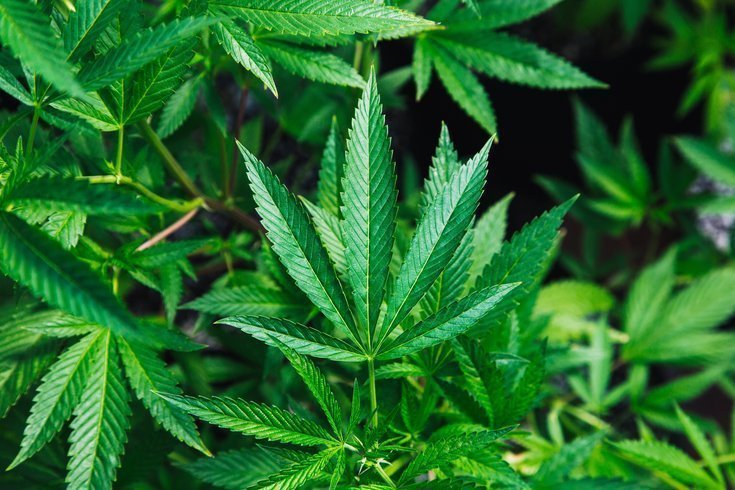 RICK PROCTOR/UNSPLASH.COM
Pennsylvania made clinical anxiety a qualifying condition for medical marijuana patients in 2019. Despite mixed research on marijuana's effectiveness as a treatment for anxiety, the disorder is now the most common diagnosis provided for medical cannabis certfication in the state.
Pennsylvania's medical marijuana program expanded rapidly in the years after clinical anxiety was added as a qualifying condition, University of Pittsburgh researchers found in a new study that traces how the mental health disorder boosted enrollment.
When Pennsylvania's first medical marijuana dispensaries opened in 2018, anxiety was not among the initial list of 17 qualifying conditions that doctors could report to help certify their patients with the state health department. At the outset, chronic pain (67.07%) and post-traumatic stress disorder (15.83%) together accounted for the vast majority of diagnoses for medical marijuana patients.
Since anxiety became a qualifying condition in 2019, it has accounted for roughly 60% of all medical marijuana certifications in Pennsylvania, the researchers found. The state now offers medical licenses for 24 qualifying conditions, and patients may have several at once or change diagnoses when renewing their annual certifications.
"We saw this large increase in total certifications pretty quickly after anxiety was added," said Coleman Drake, a health policy researcher at Pitt who helped lead the study. "The other big intervening piece is you have the pandemic hit shortly after as well."
Anxiety and depression began surging worldwide in 2020, leading many to seek professional help using telehealth services. The convenience of these appointments likely played a role in more patients reporting their anxiety and requesting help from their doctors to get medical marijuana licenses. The diagnosis is generally more straightforward than chronic pain and PTSD.
"With anxiety, a physician can potentially diagnose it with a five-question survey. You can't do that with chronic pain and PTSD," Coleman said. "Regardless of the intricacies of the health condition itself, it's less hassle and easier for a patient and a provider to work through a medical license with anxiety as the qualifying condition."
Pennsylvania now has the third-largest medical marijuana program in the country and is one of at least five states that treat anxiety as a qualifying condition, not including states that have legalized recreational cannabis.
Coleman and his colleagues, including researchers at Johns Hopkins University, reviewed more than 1.7 million medical marijuana certification records in Pennsylvania between 2017 and 2023. The monthly number of certifications rose from about 11,000 in June 2019 — the month before anxiety became a qualifying condition — to roughly 30,000 in December 2023.
Most of the increase during the intervening years came from patients who listed anxiety as their primary diagnosis, the study found. Chronic pain and PTSD certifications also increased, but they fell to smaller shares of Pennsylvania's medical marijuana program (41.47% and 10.97%, respectively). The state health department did not provide researchers with patient data identifying those who switched to anxiety from another qualifying condition.
Coleman's study, published in the Annals of Internal Medicine, cites conflicting research on whether marijuana is beneficial for people with anxiety. Some studies suggest it may worsen anxiety, especially with heavy use, while others say it can have positive effects depending on the dosage. Since marijuana remains federally prohibited, there have been limitations on research that could offer more conclusive findings about marijuana's effects on mental health.
"Scientists have quite literally been restricted from finding out the answers for decades," Coleman said. "Now that we have widely available cannabis throughout the United States, we still don't know the answers. It's a little frustrating to tell a patient that maybe there's this thing that works."
One study surveying Pennsylvania medical marijuana patients found that 50% self-reported anxiety as their primary medical qualifying condition, and more than half reported an improvement in their symptoms. More than 70% of patients in the survey said getting medical marijuana was "easy" for them, and less than half viewed the cost as a barrier.
Tax revenue figures shared with PhillyVoice by the state's revenue department show sharp increases in collections from the medical marijuana program after anxiety became a qualifying condition. Tax revenue rose from about $3.5 million in 2017-18 to $10.7 million and $26.8 million in the next two fiscal years. Over the last three fiscal years ending in 2023-24, tax revenue has leveled off between $32.9 million and $35.4 million per year.
The findings on anxiety certifications come as Pennsylvania lawmakers debate various frameworks for legalizing recreational marijuana, which would make ongoing enrollment in the medical program unnecessary for many adult users.
Coleman said the pace of anxiety certifications in the state's medical industry could be suggestive of pent-up demand that will become fully apparent once Pennsylvania leaders work past the regulatory barriers that have stalled legalization of recreational marijuana.
"Will the state liquor stores run it or the existing medical dispensaries? Essentially, who gets how much of the pie?" Coleman asked. "It's adding another layer of complexity that we haven't really seen in another state."