






June 11, 2026

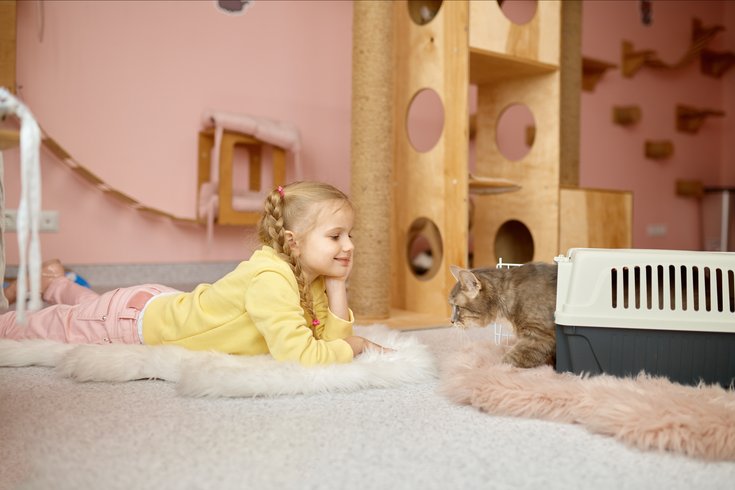 Source/Image licensed from Ingram Image
There is little difference in asthma outcomes among children who live with cats and those that do not, a new study finds.
Cat lovers may be pleased to hear that their feline friends may not aggravate the effects of asthma in children.
A study involving more than 30,000 young people in Sweden found no significant short-term difference in asthma outcomes between children who lived with cats and those who didn't.
About 10% of both children in homes with at least one cat and children in homes without cats had moderate-to-severe asthma. Roughly 3% of both groups had asthma attacks over the two-year study period. The study was published Tuesday in the journal Frontiers in Allergy.
Asthma is among the most common chronic health conditions in children, and one of the most common causes of school absences, affecting nearly 5 million young people in the United States, according to the Asthma and Allergy Foundation of America. It is caused by chronic inflammation of the airways, leading to symptoms ranging from coughing and sneezing to chest tightness and shortness of breath.
Some patients report that exposure to cat dander triggers asthma flare-ups, but previous research on the subject has had mixed findings, according to the new study's authors.
The researchers from the Karolinska Institutet in Stockholm tracked 30,277 children, ages 4 to 17, who were diagnosed with asthma or an airway allergy. They used data from diagnostic records, medication prescriptions, emergency department visits and asthma-related testing.
About 9% of the children lived in homes with cats, according to Sweden's National Cat Register, a national database started in 2023 for all pet cats born after 2008.
In addition to finding similar asthma severity, exacerbation, asthma control and lung function in children living with cats and children living without cats, the researchers also noted that the number of cats in a household did not seem to matter.
A possible explanation for similarities between both groups is that exposure to cat allergens is common in the environment outside of homes, the researchers said.
But they noted that the study was limited by a lack of data on which allergens the children were sensitized to. Also, Sweden's cat register is relatively new, so some children living with cats may have been misclassified.