




July 01, 2026

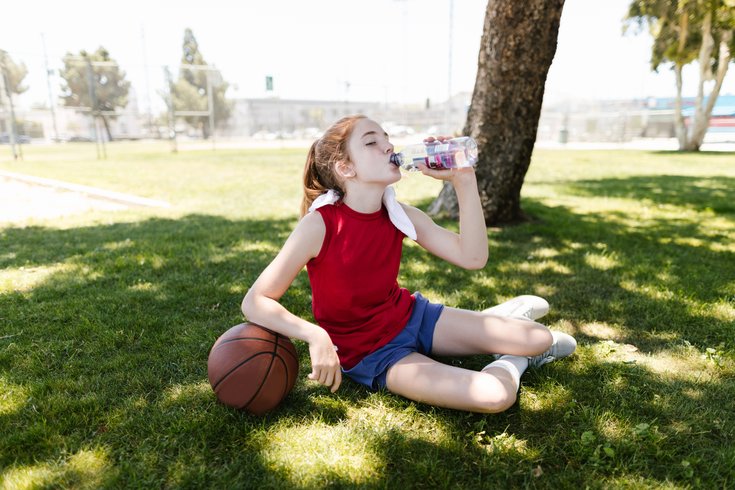 RDNE Stock project/Pexels
High temperatures blanketing the region pose particular health threats to children, babies and older adults.
Philadelphia health officials have declared a heat emergency due to potentially record-setting high temperatures in the coming days.
"As we gather to celebrate the Fourth of July, please be aware that the heat that we'll be experiencing this week can be dangerous," Health Commissioner Dr. Palak Raval-Nelson said in a news release.
MORE: Melatonin may be more than a sleep aid; it also may help relieve chronic pain
With the heat health emergency set to stretch from Wednesday through Saturday night, the city has extended hours of operation for the Philadelphia Corporation for Aging's Heatline (215-765-9040) and for cooling centers and is alerting people to available spray parks and pools.
Outreach teams are spreading out across the city to get water to people who are homeless and offering to take them to cooling centers. The city is also giving heat-related tips to people attending the FIFA Fan Festival and the city's Fourth of July festivities.
Health officials say people should take extra care to protect children and older adults, who are particularly vulnerable to heat-related illness.
"Children are not just small adults — they are more vulnerable to heat-related illnesses," Dr. Richard Hamilton, chief of the emergency department at St. Christopher's Hospital for Children, said in an email. "Their bodies heat up faster, and they may not recognize when it's time to rest or hydrate. That's why it's critical for caregivers to take proactive steps during hot weather."
Children tend to spend more time outdoors than adults, and they don't always remember to drink enough fluids. Plus, their small bodies mean they become dehydrated faster, St. Christopher's says.
Parents and caregivers are advised to keep children inside, away from direct sunlight, during extreme midday temperatures, and confine outdoor activity to the early morning and evening. Dressing children in loose, light-colored clothing, encouraging them to drink plenty of fluids and making sure they are adequately protected with sunscreen is also key, health officials say.
The Children's Hospital of Philadelphia advises parents to familiarize their children with heat stroke symptoms, which include dizziness, headache, vomiting, unusual behavior and disorientation. Children are advised to use the buddy system and tell parents, coaches and camp counselors if they think another child is suffering from heat stroke.
"These symptoms can often be managed with rest, cooling, and hydration," a St. Christopher's spokesperson said in an email. "But if they are ignored, they can quickly progress to heat stroke, which is a medical emergency."
Babies are particularly at risk in the heat. Parents and caregivers should keep babies out of direct sunlight, make sure not to overdress them or keep them in a hat unless it's for sun protection and to give them extra fluids, including breast milk or water if they are weaning.
Get babies out of the heat if they appear sweaty or flushed and monitor for dry diapers and lack of tears when crying – both signs of dehydration, health experts say. Never leave babies in vehicles, even for short periods, and seek medical attention for babies and children if they have signs of heat stroke or illness.
Older adults are also at higher risk for heat-related illness, because the body's ability to cope with the effects of high temperatures and humidity declines as people age. Michigan Medicine offers the following tips for seniors:
• Drink more water than you think you need. Then drink some more.
• Get a cool location, ideally inside a place with air conditioning.
• Mostly avoid outdoor activities or confine them to early morning.
• Connect with other people and check in on older adults you know.
• Get help immediately if feeling unwell by calling a health provider or visiting a hospital emergency department.