






July 01, 2026

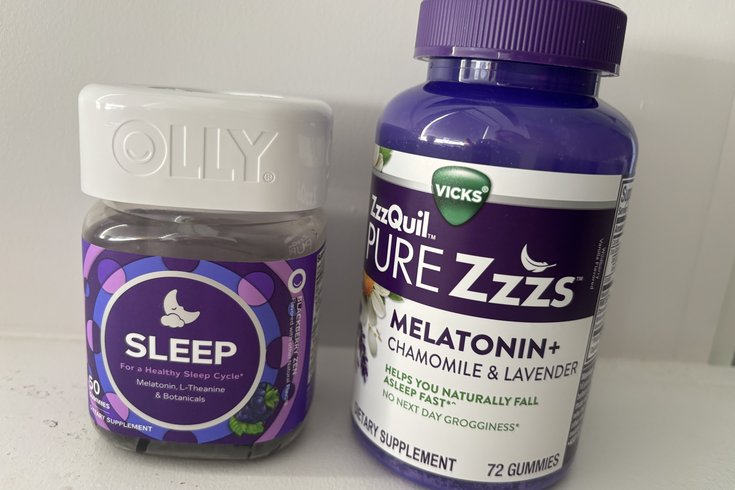 Courtenay Harris Bond/PhillyVoice
Melatonin supplements are often used as a sleep aid. New research suggests melatonin also may help ease chronic pain.
Melatonin, an inexpensive, over-the-counter supplement, may offer an alternative to opioids and other medications for treating chronic pain.
Melatonin is most commonly used by people who have trouble sleeping. Long-term use of melatonin has been linked to higher risk of heart failure and death from any cause. But a new study, published Wednesday in the journal PAIN, indicates that melatonin may interrupt the often intractable loop between chronic musculoskeletal pain and sleep disruption, helping ease people's discomfort.
MORE: It's safe to get COVID and flu shots at same appointment, study finds
"For many patients, pain doesn't exist in isolation and is closely tied to poor sleep," Kangchao Wu, the study's lead author, said in a news release. "Melatonin appears to target both, which makes it particularly useful for people managing chronic pain."
Musculoskeletal pain is discomfort that affects muscles, joints, ligaments and tendons. Globally, more than 1.7 million people suffer from this type of pain, and it is a leading cause of disability, the World Health Organization says.
To assess the potential for melatonin to treat this type of pain, including low back pain, osteoarthritis and fibromyalgia, the researchers analyzed data from more than 2,000 patients from 23 trials conducted in the United States, Russia, China, Egypt and Brazil.
Melatonin was shown to reduce pain by nine to 10 points on a 0-to-100 pain-rating scale. These results are similar to relief given by taking medications like nonsteroidal anti-inflammatory drugs like ibuprofen and aspirin, opioids and other pain medications, the researchers said.
But they also issued caution.
"Our advice isn't for melatonin to replace every pain medication," Wu said. "Instead, after consultation with a doctor, it may be used as an adjunct to existing treatments, particularly for people who also experience sleep problems."
The Mayo Clinic says most people produce enough melatonin, a naturally-occurring hormone related to sleep, but that melatonin supplements are generally safe for short-term use. Melatonin can help with some sleep issues, including jet lag and insomnia in older adults.
Side effects of melatonin use may include headache, dizziness, nausea and drowsiness. More serious side effects include short-term depression and mild anxiety, mild tremor, confusion, irritability, abdominal cramps and disorientation.
People with autoimmune disorders should not take melatonin. It also poses a risk of interactions with certain antidepressants and other medications and should be taken only under guidance of a health care provider, the Mayo Clinic says.