




February 13, 2026
 Mark Hoffman/Imagn Images
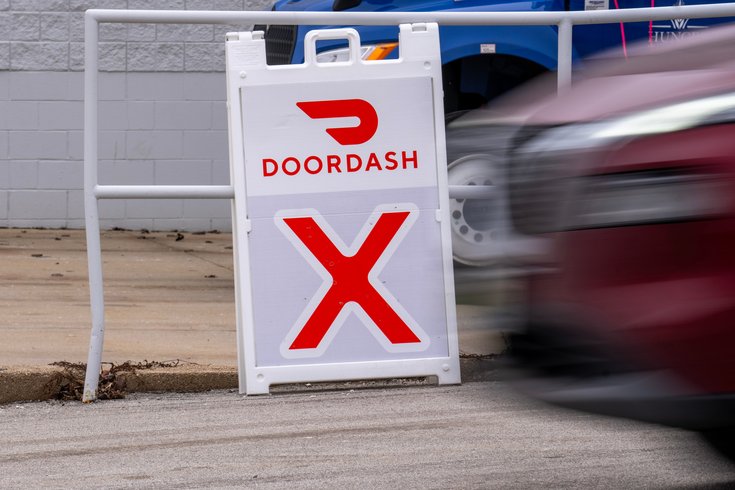
DoorDash and other third-party services are pushing Pennsylvania lawmakers to allow them to make alcohol deliveries. A bill would let people 21 and older order beer, wine and ready-to-drink cocktails using third-party delivery apps.
A proposed law that would allow DoorDash and Uber Eats drivers to deliver beer, wine and liquor orders in Pennsylvania is being considered by state lawmakers.
The bill would create a new license that permits third-party services to deliver alcohol. More than 30 other states, including New Jersey, already allow companies like DoorDash and Uber Eats to take alcohol orders from customers who use their apps.
Pennsylvania only allows employees of licensed retailers and wholesalers to take orders for beer deliveries. Sheetz, for example, is permitted to send Doordash drivers out for deliveries as long as beer orders are placed on Sheetz's mobile app or website. There are no provisions allowing wine and ready-to-drink cocktails to be delivered directly to consumers.
The proposal would let alcohol retailers, including Pennsylvania Fine Wine & Good Spirits, make their products available on third-party apps.
"We've heard our Pennsylvania consumers loud and clear: they want to be able to order alcohol for delivery just as they can groceries and restaurant meals," Alex Mooney, a representative for DoorDash, said at a hearing Wednesday before the House Liquor Control Committee.
DoorDash cited data from other states showing third-party alcohol delivery benefits independent retailers. In the states where it is permitted, the median independent retailer saw a 40% increase in sales between its first full month on the platform and its sixth, the company said.
The bill, sponsored by Rep. Marci Mustello (R-11th), would require all third-party drivers to complete Responsible Alcohol Management Program training or go through another program certified by the Pennsylvania Liquor Control Board.
When making a delivery, drivers would be required to verify that the recipient is 21 years or older and that it is the same person who placed the order. Licenses would need to be scanned and inspected to confirm their authenticity. The recipient also would need to provide a signature. Drivers would not be allowed to leave alcohol orders at doorsteps, and they would be prohibited from giving orders to people who are visibly intoxicated.
Pennsylvania's long history of tight alcohol regulations have kept options for consumers limited compared to other states. Modernization efforts in the past decade or so have included allowing grocery and convenience stores to sell beer, wine and ready-to-drink cocktails. The state also began letting businesses sell cocktails to go during the COVID-19 pandemic and made the change permanent in 2024.
"The industry has changed, so you have to adapt to it and make sure there are safeguards in place," Rep. Dan Desey (D-27th), who chairs the Liquor Control Committee, said at Wednesday's hearing.
The committee heard testimony from supporters and opponents of the bill, which also has been proposed in past legislative sessions.
Pennsylvania State Police cautioned that the law could create more opportunities for underage drinking, particularly with the use of scannable fake IDs.
"We have found that forms of counterfeit identification are becoming more difficult to distinguish from legitimate forms of identification," said Robert Bailey, director of the state police's Bureau of Liquor Enforcement.
Minors know they have a better chance of getting alcohol and minimizing the risk of getting caught if they attempt to order it online than if they go to a store, Bailey said. The law also could make it easier for minors to convince people of legal drinking age to order alcohol for them.
Delivery drivers who violate the law would face fines up to $5,000 for first offenses, but Bailey said the administrative lag for enforcement of violations can take up to a year or longer with appeals.
The Malt Beverage Distributors Association argued the bill will put its members at a competitive disadvantage and risks lapses in accountability by "big-box" delivery services. The association also said the bill lacks a clear limit on alcohol volume for third-party deliveries, despite longstanding rules restricting beer deliveries to 192 ounces in Pennsylvania.
The Beverage Alliance Association, a national trade group that represents delivery services and major grocery chains, including Whole Foods and ShopRite, said third-party platforms will give Pennsylvania residents a "safe, responsible and convenient way" to order alcohol. The Pennsylvania Food Merchants Association also backed the proposal.
"This bill is not merely a convenience measure," PFMA said in a letter to lawmakers. "Rather, it is a necessary infrastructure update for Pennsylvania's retail economy that embraces modern digital realities while upholding the strictest standards of public safety."
PLCB testified that the bill still needs work to address regulatory and safety concerns.
"While this legislation could certainly have merit and be beneficial in concept, there are nonetheless several aspects of this legislation that I believe need clarification before moving forward," said Jason Worley, PLCB's chief counsel.