






June 22, 2026

 Joel Angel Juarez/Imagn Images
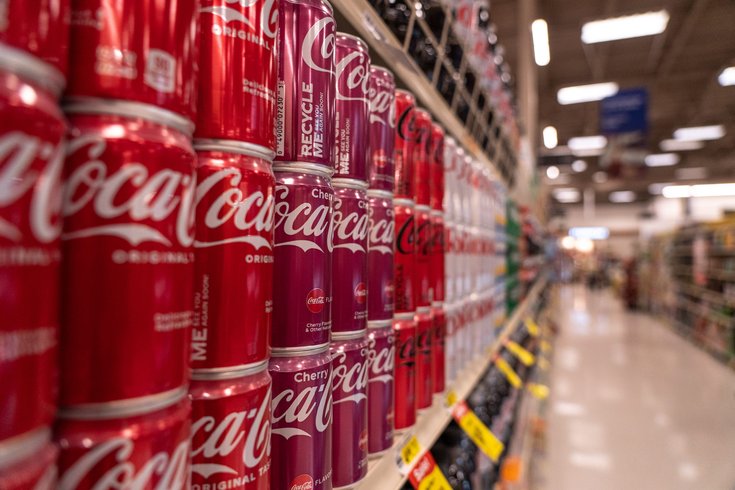
By the end of 2027, sodas made by the Coca-Cola Company and other major brands will include a QR code linking customers to a database of ingredients.
Several major soda brands will add QR codes linking consumers to detailed ingredient information on their cans and bottles in an effort to provide "greater transparency."
The American Beverage Association, a trade group representing hundreds of producers and distributors, said it would expand an ongoing digital initiative over the next two years. The QR codes will take customers to a database built by the association that lists information on over 140 ingredients. The Coca-Cola Company, Keurig Dr Pepper and PepsiCo have all signed onto the project.
Each ingredient entry on GoodtoKnowFacts.org explains what a particular substance does, common uses and what kinds of authorizations it has received from the Food and Drug Administration and international entities like the European Food Safety Authority. The website also includes other names manufacturers use to describe the ingredient. The thickening agent maltodextrin, for instance, is also known as dextrin roasted starch or E1400.
While some beverage companies have already begun integrating the QR codes, participating corporations expect them to be added to all brands by the end of 2027.
"Consumers want greater transparency and deserve to have confidence in the safety of their foods and beverages," Kevin Keane, American Beverage president and CEO, said in a statement. "Transparency means more than simply listing ingredients – it means providing relevant context that helps people understand where specific ingredients are used, what function they serve and how regulators in different countries view them."
The move follows decades of research demonstrating soda's links to diabetes and cardiovascular disease. A study from earlier this year suggests the sugary beverage might even impact mental health among teens and younger adolescents.
The U.S. Department of Health & Human Services has pushed for more detailed nutrition information and railed against ultra-processed foods under Secretary Robert F. Kennedy's "Make American Healthy Again" campaign.
Follow Kristin & PhillyVoice on Twitter: @kristin_hunt
| @thePhillyVoice
Like us on Facebook: PhillyVoice
Have a news tip? Let us know.