



August 03, 2026
 Michaela Althouse/PhillyVoice
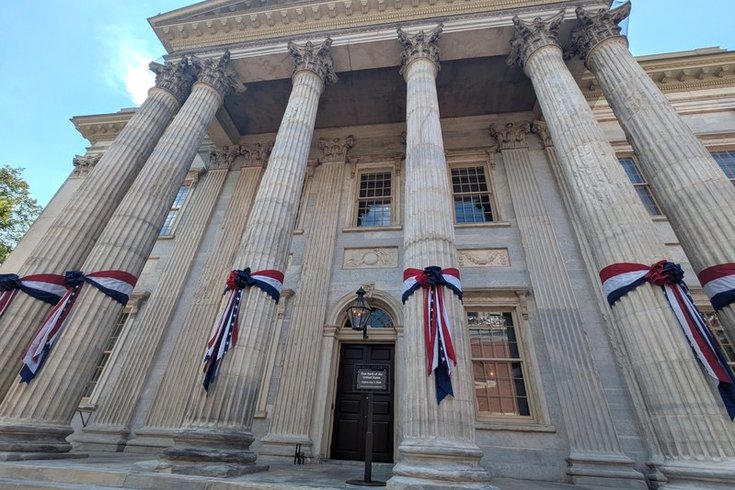
Ahead of its banner year, Philadelphia made a number of upgrades to historic and recreation sites around the city. Some, like the reopening of the First Bank of the United States, above, are meant to last beyond 2026.
Although there are still five months left in the year, most of the bigger events the city had planned for 2026 are done.
The 250th anniversary of the signing of the Declaration of Independence, PGA Championship, MLB All-Star Game and World Cup brought tons of attention to the city. In preparation for the busy string of events, there were upgrades to facilities, neighborhood beautification and public art displays. But with most of the craziness in the rearview, the city is looking at a return to regular programming, which means some of those improvements are gone, too.
Still, not everything was a passing fad that was meant to be temporarily available to tourists. Here's what changes will be staying beyond 2026 — and maybe until the next anniversary.
Years before public officials announced the July 4 concert lineup and FIFA Fan Festival, the Independence Historical Trust and Independence National Historical Park began efforts to revive the First Bank of the United States. The building, which closed to visitors in 2002, once housed Alexander Hamilton's first attempt at a national bank for the newly created country. Approximately $43 million later, the site reopened as a free public museum on June 30.
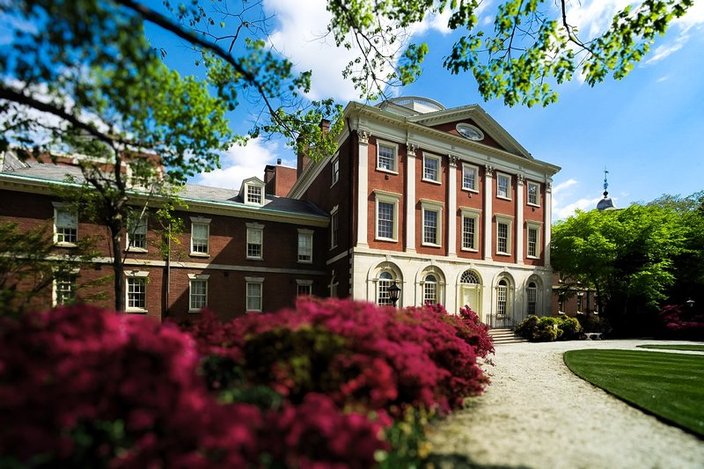
As of May, visitors can also now check out the new Pennsylvania Hospital Museum, which coincided both with America's 250th birthday and the hospital's 275th anniversary. The Pine Building, where the hospital first began accepting patients in 1756, is now a permanent attraction with displays on the hospital's founding, its response to epidemics including HIV/AIDS and COVID-19 and the history of surgery.
Other attractions took the opportunity to change up their displays for 2026. Though most of the exhibits are temporary, the Arch Street Meeting House and the National Constitution Center both added permanent installations to their museums. The meeting house now has an exhibit on the history of Quakers, and the Constitution Center has one on the semiquincentennial celebration.
Independence Hall, Gloria Dei Episcopal Church, Arch Street Meeting House and the Thompson-Neely House also received funds for restorations on everything from a new HVAC and electrical system to upgraded finishes and bell repairs.
The new Pennsylvania Hospital Museum is located in the Pine Building (above) where doctors first treated patients in 1756.
Not all of the new murals were specifically designed for the semiquincentennial and World Cup. The sides of the city's buildings now feature designs paying tribute to Boyz II Men, Sun Ra Arkestra, five queer trailblazers and Dolores Huerta. Another mural celebrating Black dancers will be unveiled in August. One of the Tree of Life and another depicting popular Philly symbols were installed near highways earlier this year.
To honor the Liberty Bell, Pennsylvania adopted a statewide initiative to install 120 bells created by local artists. In total, 22 of the fiberglass structures were placed in popular Philadelphia corridors. The designs, which were made in partnership with community organizations, showcase the history and modern-day life of the neighborhood they call home.
As part of the semiquincentennial celebrations, local artists designed 22 bells (above) that were later installed at prominent corridors throughout the city.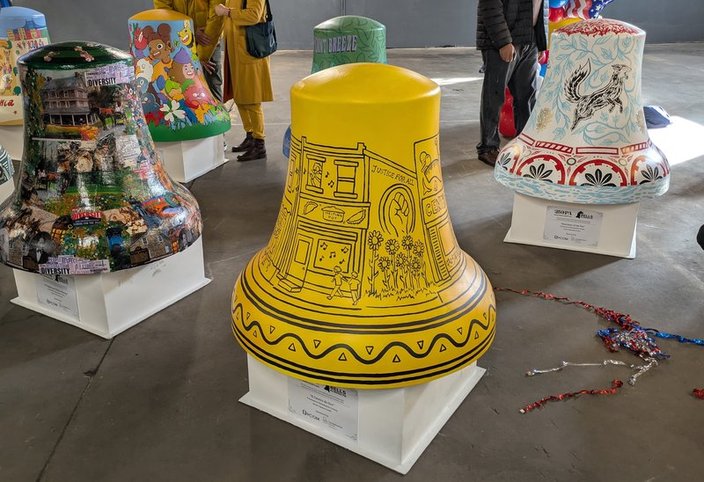 Michaela Althouse/PhillyVoice
The year's events also prompted a statue switcheroo. After two decades at the base of the Philadelphia Museum of Art's steps, the Rocky statue moved inside this summer for an exhibit on its history. After that closes on Aug. 2, the statue will be placed at the top of the steps, mirroring the famous scene from the "Rocky" movie. Its former home now houses a statue of Philly boxer Joe Frazier, which was previously located at Stateside Live! in South Philadelphia.
Ahead of the influx of tourists, officials opened the Philly Pride Visitors' Center in the Gayborhood in February. The small storefront features panels on Philadelphia queer history, souvenirs from queer artists and information on LGBTQ+-owned businesses and attractions. When it first opened, officials made it very clear that it was meant to be a permanent fixture.
The new Philly Pride Visitors' Center has information about the city's LGBTQ+ history and merch (above) from local queer artists.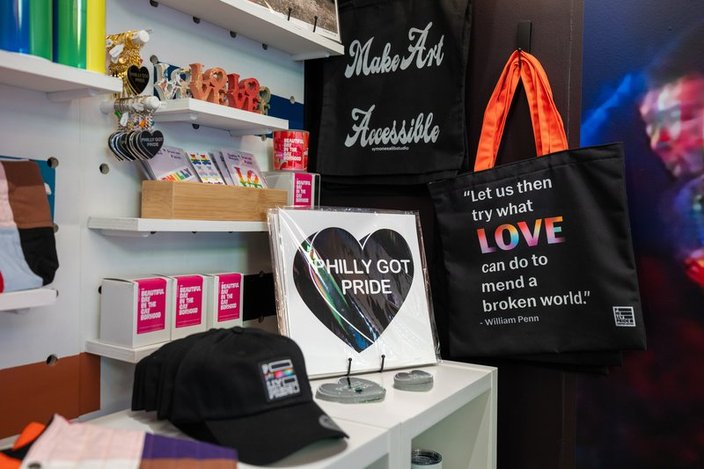 Kristin Hunt/PhillyVoice
"It is a declaration that is visible, permanent and unapologetic," Anne Ryan, deputy secretary of tourism for the Commonwealth of Pennsylvania, said at the time. "The Philly Pride Visitor Center stands here as proof that belonging is not an afterthought. It's not seasonal, it's not subtle, and it's not hidden. It's intentional."
With tons of walking tours, concerts and more around the city over the course of the year, the city launched the Access Philly app in March to help visitors and residents get around. The app includes information about events, accessibility details and wayfinding assistance. Although most of the listings were for semiquincentennial celebrations, Mayor Cherelle Parker said the app was designed to work beyond 2026.
Following in the tradition of America's 150th birthday in 1926, when the Japanese government gifted 1,600 cherry blossom trees to Philadelphia, the city took the opportunity to add more for this anniversary. In total, 250 cherry blossom trees were planted at the Centennial Arboretum, Centennial Lake, Schuylkill River Trail, Central High School and Blankenburg Elementary School. Although they don't produce fruit, the pink flowers that blossom in late March and early April are considered a sign of spring.
But it wasn't just history that prompted new upgrades to Philly's green spaces. While World Cup matches were held down at the Lincoln Financial Field, the city also hosted the FIFA Fan Festival at Lemon Hill. That celebration required improvements to 1,700 feet of sidewalks in the area, 12 new ADA-compliant ramps, new curb realignments and drinking water stations.
To commemorate Philly being a host city for the tournament, Street Soccer USA, Visa and Bank of America installed two mini soccer fields at Tip Top Playground in Northern Liberties. They're not full-size regulation pitches, but they do include lighting for night games, learning centers and a workforce programming hub. There's no specific timeline for how long the fields will remain, but a spokesperson for Bank of America told PhillyVoice in March that the pitches are intended to "serve local communities well beyond the tournament itself."