


October 20, 2026

Content sponsored by
 Provided Courtesy/Temple Lung Center
The Temple Healthy Chest Initiative, a collaboration with Fox Chase Cancer Center, helps make lung screening more accessible to eligible Philadelphia-area residents through convenient screening locations, patient navigation, and follow-up care.
Most adults who qualify for routine lung screening aren't getting scanned. Only about one in five eligible Americans received a recommended screening in 2024, according to a study led by the American Cancer Society.
This low screening rate highlights an important public health challenge for Philadelphia and surrounding communities, where increasing awareness and participation could help more eligible residents detect health problems earlier.
What makes that screening gap particularly striking is that the test itself is quick and simple, and programs like the Temple Healthy Chest Initiative, a collaboration between the Temple Lung Center and Fox Chase Cancer Center are working to make more eligible patients aware of these important preventive scans.
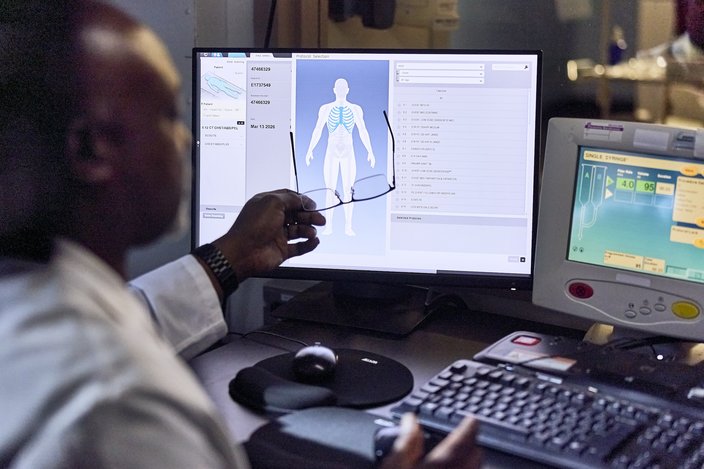
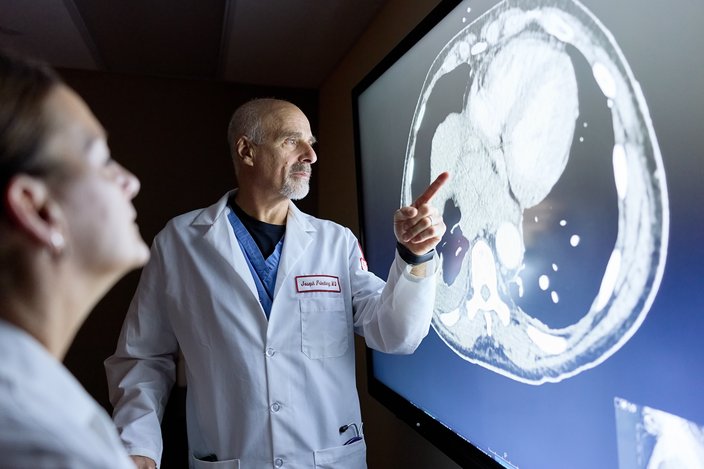
A lung screening takes approximately 10 minutes, requires no special preparation and involves a low-dose CT scan. The test is designed to detect lung cancer early, when treatment may be more effective, and can sometimes reveal other conditions affecting the lungs and heart.
Lung screening is a quick, simple test that requires no special preparation and can help detect potential health problems before symptoms appear.
Melissa Liverpool, a registered nurse and program manager of the program, said many people simply don't realize they qualify. Others feel healthy, experience no symptoms of lung disease, and see no reason to get screened or worry about what doctors might find.
The U.S. Preventive Services Task Force recommends annual lung cancer screening for adults who:
• Are ages 50 to 80.
• Have at least a 20 pack-year smoking history.
• Currently smoke or quit within the past 15 years.
A pack-year is a way doctors measure smoking history. Smoking one pack a day for 20 years, for example, equals 20 pack-years. Someone who smoked two packs a day for 10 years would have the same smoking history.
The American Cancer Society also recommends annual screening for adults ages 50 to 80 with at least a 20 pack-year smoking history, but its guidelines don't include a cutoff based on how long ago someone quit smoking.
Former smokers may not realize they could still benefit from screening. Quitting lowers the risk of lung cancer, but that risk doesn't immediately disappear.
Anyone who thinks they may qualify should talk with their healthcare provider about whether screening is appropriate.
One of the biggest benefits of lung screening is that it can identify potential problems before symptoms appear. Lung cancer, for example, often develops without noticeable warning signs in its early stages, when treatment may be more effective.
Liverpool said detecting abnormalities or cancer early can give patients more treatment options and improve their chances of a better outcome.
And while lung screening is primarily designed to detect lung cancer, the scan may also reveal other health concerns, including signs of COPD and coronary artery calcification, that warrant further evaluation.
Although primarily designed to detect lung cancer, low-dose CT screenings can also reveal other health concerns, including signs of COPD and coronary artery calcification.
Unlike routine lung screening, which aims to detect problems before symptoms appear, new or worsening symptoms call for a medical evaluation.
Temple Health launched the Healthy Chest Initiative in collaboration with Fox Chase Cancer Center in 2021 to help more people in Philadelphia and surrounding communities get screened by making the process more accessible and easier to navigate.
Today, about 500 people undergo lung screening each month through Temple Health, Liverpool said. With seven screening locations across the region, patients have more flexibility to find an appointment that's convenient for them. The program can also assist some patients with transportation challenges.
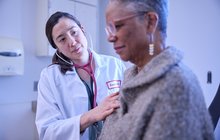
The initiative also offers Nurse Navigators who guide patients through the screening process, from reviewing their health and smoking histories to explaining results and coordinating follow-up care, if needed.
If a scan reveals something concerning, a navigator can help connect the patient with the appropriate specialist and arrange additional testing or treatment. Navigators can also direct patients to resources such as smoking cessation programs and other support services.
Family members can be involved, too. Liverpool recalled patients who asked to include an adult child on a results call so they could hear the information together and better understand the next steps.
Closing the lung screening gap starts with making more people aware that they may qualify and encouraging them to take advantage of preventive care.
If you're between 50 and 80 and have a significant smoking history, talk with your healthcare provider about whether lung screening is right for you. The screening itself is quick, requires no special preparation and could make a meaningful difference in your long-term health.
To learn more about lung screening through the Temple Healthy Chest Initiative or request an appointment, visit Temple Health's lung screening program online or call 800-TEMPLE-MED (800-836-7536).