






August 03, 2026

 Joshua L. Jones/USA Today via Reuters Connect
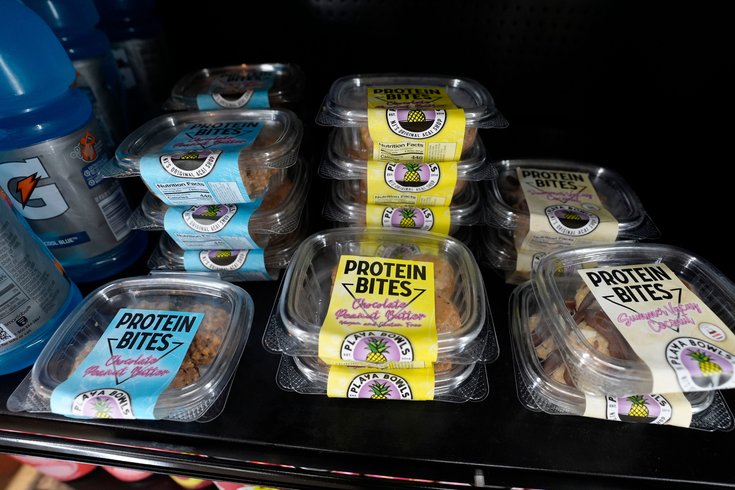
Protein-heavy foods, like these snacks from Playa Bowls, are dominating grocery aisles. But recent research suggests cutting back on protein consumption could promote healthy aging.
Between the protein pasta, pancakes and ice cream stocked in every major supermarket, it's never been easier to consume the current darling of the food pyramid. Protein has been having a moment for several years now, buoyed by fitness influencers and the Trump administration, which emphasized the nutrient on revised dietary guidelines earlier this year.
A massive review of scientific studies, however, suggests that cutting back on protein might improve metabolism, glucose levels and other health markers.
MORE: Liquid cavity treatment, used in other countries, could benefit U.S. kids, researchers say
Researchers at the University of Wisconsin-Madison recently analyzed 361 published papers on protein. They found that restricting protein may effectively slow aging by suppressing senescence, the gradual, biological breakdown of cells. Though high-protein diets promote senescence in the liver and connective tissue, restricting consumption reduces it.
Lower protein intake also boosts fibroblast growth factor 21, a vital hormone that can facilitate increased energy expenditure, better blood sugar regulation and reduced inflammation. In past experiments, mice with higher levels of the hormone, particularly female rodents, lived longer.
The researchers cautioned that certain populations — such as athletes, growing kids, pregnant people and some older adults — need more protein. But dietary recommendations, according to the review's co-author Dudley Lamming, should be tailored based "not just on age, but also on how physically active people are."
"It's absolutely crystal clear that there are benefits of protein to muscle growth and exercise response of active individuals," Lamming, a professor at UWM's medical school, added. "But because most people are relatively sedentary, many people are likely consuming more protein than they actually need, which probably has negative health consequences."
The proliferation of popular, protein-heavy diets (think Paleo, carnivore or boy kibble) and food manufacturers' increasing emphasis on the nutrient have helped fuel the current cultural fixation. As NPR notes, protein has never weathered the same bad press as fat or carbohydrates and it's long been associated with muscle mass, making it a favorite of gym rats. In January, the federal government cemented its elevated status by increasing the recommended intake from 0.8 grams per kilogram of body weight to 1.2 to 1.6 grams.
Though protein is a vital nutrient that helps grow and repair cells, public health experts like Lamming caution that every individual is different and so are protein sources. While too much red or processed meat can negatively impact heart health, plant-based protein like beans and nuts are rich in fiber — a nutrient that most Americans neglect in their diets.
Follow Kristin & PhillyVoice on Twitter: @kristin_hunt
| @thePhillyVoice
Like us on Facebook: PhillyVoice
Have a news tip? Let us know.