






February 16, 2026

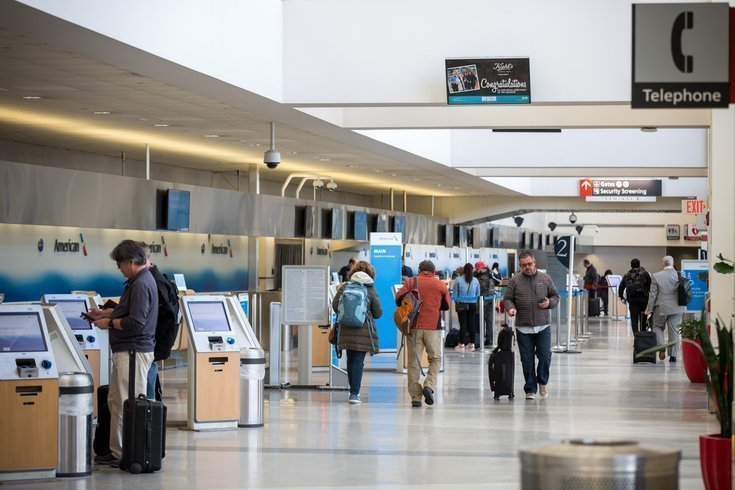 Thom Carroll/For PhillyVoice
An person with measles traveled through the Philadelphia International Airport on Thursday, health officials say. People who aren't protected against the virus are advised to monitor for symptoms until March 5. The photo above is a file shot.
A possible measles exposure occurred last week at Philadelphia International Airport, city health officials said.
A person with measles traveled through Terminal E on Thursday between 1:35 p.m. and 4:30 p.m., health officials said. Anyone who was present in the terminal at that time is encouraged to check their vaccination status and monitor for possible symptoms.
"We believe there is no threat to the general public associated with this case of measles," Health Commissioner Palak Raval-Nelson said in a statement. "We encourage people who were possibly exposed to take action if they are not protected against measles. Many countries, including travel destinations, are experiencing measles outbreaks, so the risk of travel-related measles cases remains."
The city did not release information about where the person was traveling to and from.
Measles is highly contagious and spreads through the air when people cough, sneeze or talk. People who aren't vaccinated or immune can contract the virus up to two hours after an infected person leaves a room. For some, it can lead to pneumonia, brain infection or death.
People who are not immune or vaccinated should keep an eye out for symptoms through March 5, health officials said. Early symptoms include fever, runny nose, cough, rash and red, watery eyes. People who believe they might be infected should stay home, contact their doctors and notify their local or state health departments.
People are considered protected against measles if they have had two does of the measles, mumps and rubella vaccine, were born before 1957 or have lab tests confirming they once had measles. The two-dose MMR vaccine is available at most pharmacies and health care facilities. Children under 5, pregnant women and people with compromised immune systems are considered most at-risk of measles complications.