






December 09, 2025

 RDNE Stock project/Pexels
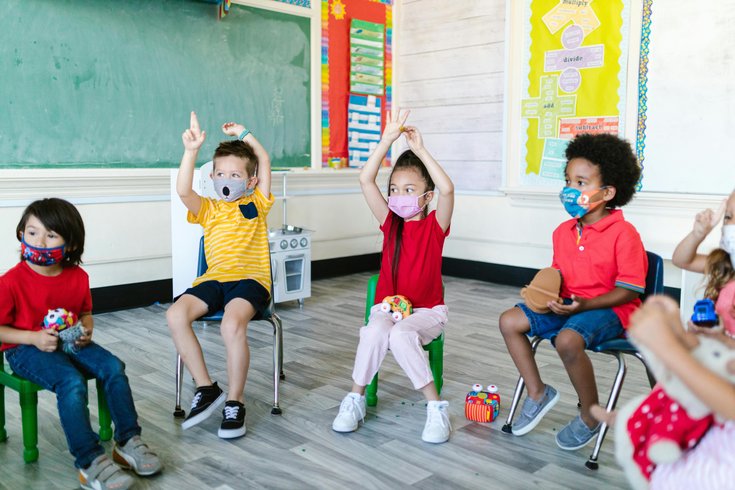
Student's mental health significantly improved after schools reopened during the COVID-19 pandemic, with girls particularly benefitting, new research shows.
The mental health impact of the closing schools during the COVID-19 pandemic has been a subject of wide-ranging public discourse and research for years. Now, a new large-scale study shows that students – especially girls – experienced a significant drop in depression and anxiety when schools reopened.
"Our results provide solid evidence to parents, educators, and policymakers that in-person school plays a crucial role in kids' wellbeing," said senior author Rita Hamad, professor of social epidemiology and public policy at the Harvard T.H. Chan School of Public Health. "The findings offer lessons for future public health emergencies and provide insight into why mental health worsened for children during the pandemic."
Previous research found depression, other mental health issues and learning difficulties surged during the pandemic, because children were isolated from their peers and detached from emotional and learning supports schools offer. These studies were limited by the fact that they relied on surveys and small study groups, according to the Harvard researchers.
But the new study, published Monday in the journal Epidemiology, analyzed the data of 190,000 children ages 5 to 18 in California, looking at mental health diagnoses and spending between March 2020 and June 2021. That California schools were closed longer than in other places and opened in a staggered process made this analysis particularly informative, the researchers said.
The study showed the likelihood of a child being diagnosed with depression, anxiety and attention-deficit/hyperactivity disorder decreased by 43% by the ninth month after schools reopened.
Spending related to these diagnoses also dipped. Nine months after a school reopened, spending on psychiatric drugs dropped by 8% and on ADHD medications by 5%. Medical spending not on prescriptions, including therapy, went down by 11%.
Girls showed the most improvement after schools reopened, the study found.
"This was one of our most striking findings, underscoring how essential school-based social environments are for girls' wellbeing," said Pelin Ozluk, a health economist and the study's first author.
Disrupted social interactions, more screen time, irregular sleep schedules and family problems due to financial constraints and other issues – as well as limited access to the mental health supports schools provide – may explain the study's results, the authors said.
"I think the decisions may have been different if we had seen that the benefits of school closures were being outweighed by risks like this," Hamad told the New York Times.
Because the study only included students in high-income districts, more research is needed into the mental health impacts of schools reopening in marginalized communities, the researchers said.