


June 10, 2026
 Molly McVety/PhillyVoice
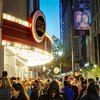
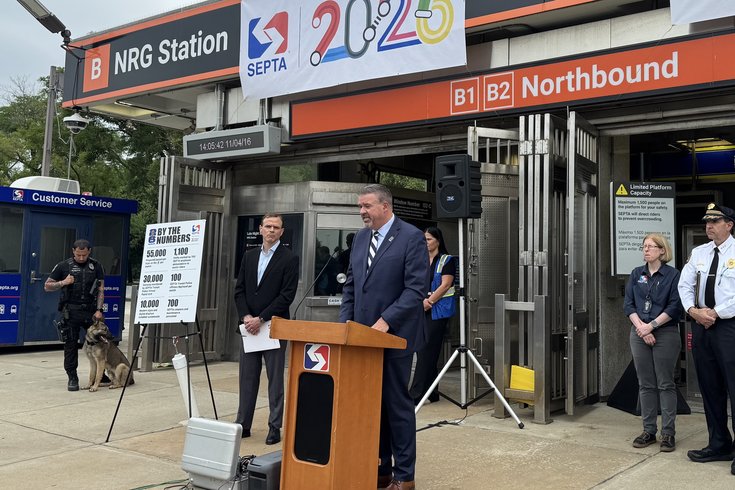
SEPTA General Manager Scott Sauer discusses the infrastructure improvements the transit system made ahead of the World Cup. They include a refurbished NRG Station.
SEPTA has upgraded several metro stations in preparation for the wave of visitors expected this week for the World Cup.
Station renovations include new flooring and roofing, improved lighting, new signs and waterproofing upgrades. Additional cleaning crews, security officers and ambassadors will be dispatched along the transit system on match days to assist riders.
MORE: PATCO unveils commemorative train for America's 250th anniversary
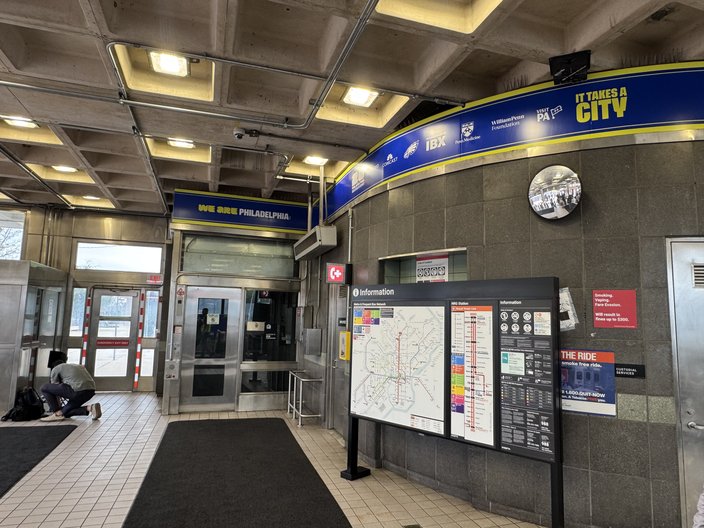
NRG Station received some of the most visible improvements, including World Cup promotional signage, new security cameras, resurfaced platforms, brighter lighting and a new ventilation system. Maps and wayfinding systems have been updated and simplified to detail the frequency of regular subway service, fares and connecting lines. Temporary signs posted outside the station's headhouse list the closest SEPTA stops to Center City hotels and note that NRG Station's platform has a 1,500-person capacity.
Several other high-volume stations also gained improvements. On the Broad Street Line, which SEPTA has rebranded as the "B," City Hall Station and Fern Rock Transit Center each received lighting and painting improvements, and Oregon Station received a new roof, lighting and ventilation system. On the Market-Frankford Line, rebranded as the "L," Second Street Station was rehabilitated. The Regional Rail stations in Center City also received lighting and painting upgrades.
"SEPTA is ready to show that our first-class transit system is ready for world-class events," General Manager Scott Sauer said Wednesday during a press conference. "With SEPTA's long-term funding still unsettled, we were strategic and cost-conscious when allocating resources for system improvements ahead of these events, and we managed to find a balance that will benefit customers for the short- and long-term."
SEPTA has made improvements to NRG Station, above, and other high-volume stations on its metro lines in preparation for the World Cup.
SEPTA anticipates that 31,000 people will rely on the transit system for each of the six matches played at Lincoln Financial Field. Metro trains will run more frequently — arriving every 4-5 minutes. SEPTA also has added overnight service to select stations on match days.
With the additional capacity, SEPTA estimates the Broad Street Line can transport 15,000 people per hour, but transit officials warned Wednesday that riders should expect longer lines than usual at the Sports Complex.
"Even with this high level of extra service, it's going to take extra time to get here and back," said MaryAnn Tierney, chief officer of SEPTA's Control Center. "It could take 2 to 2 1/2 hours to clear NRG Station. …We just ask everyone to have some patience."
To address security and cleanliness challenges, SEPTA's new "pit crew" initiative will clean subway cars mid-route throughout the day.
The additional police being dispatched on SEPTA for match days will be the transit system's largest security presence ever, SEPTA Police Chief Charles Lawson said. State troopers, K-9 units and police officers from departments throughout the region will be stationed throughout the system.
"(Passengers) are going to see our specialists using equipment in the field that maybe they haven't seen before," Lawson said. "They're going to see a high level of security that involves our canines conducting sweeps. … None of this is meant to cause any concern in any way. It merely is a representation of how seriously we are taking security on the system."
SEPTA's trains and buses have been inspected to ensure they can withstand the increased demand, but challenges could arise as high temperatures move into the region, Sauer said.
"What concerns me most is the resilience of our infrastructure and our equipment," he said. "We have a backlog of needed repairs, everybody knows that. But our maintenance teams do a great job of maintaining this stuff every single day. We're confident we can do it. We're excited to do it, but we know that we have to plan for those challenges that arise."
The city will have various restrictions in place during the World Cup in the areas near the Sports Complex.
On each match day, 11th Street from Pattison to Terminal avenues will be closed starting at 7 a.m., the city's Office of Special Events said. Police may implement additional closures near the Sports Complex before or after each game.
Rideshare dropoffs and pickups may only occur within designated areas of FDR Park at Broad Street and Pattison Avenue. Neighborhood parking management will be conducted as it is for Eagles games and other high-profile events.
The Department of Licenses and Inspections and police will crack down on unpermitted vendors hawking merchandise and other items near the stadiums, city officials said. Vendors that have not been approved for the World Cup may be subject to citations or have their goods confiscated.
Philadelphia is set to host six matches at Lincoln Financial Field, which is being rebranded as Philadelphia Stadium for the World Cup.
• Group Stage: Côte D'Ivoire vs. Ecuador | Sunday, June 14 at 7 p.m.
• Group Stage: Brazil vs. Haiti | Friday, June 19 at 8:30 p.m.
• Group Stage: France vs. Iraq | Monday, June 22 at 5 p.m.
• Group Stage: Curaçao vs. Côte D'Ivoire | Thursday, June 25 at 4 p.m.
• Group Stage: Croatia vs. Ghana | Saturday, June 27 at 5 p.m.
• Round of 16: TBD | Saturday, July 4, at 5 p.m.