




May 21, 2026
 Joseph E.B. Elliott/National Parks System
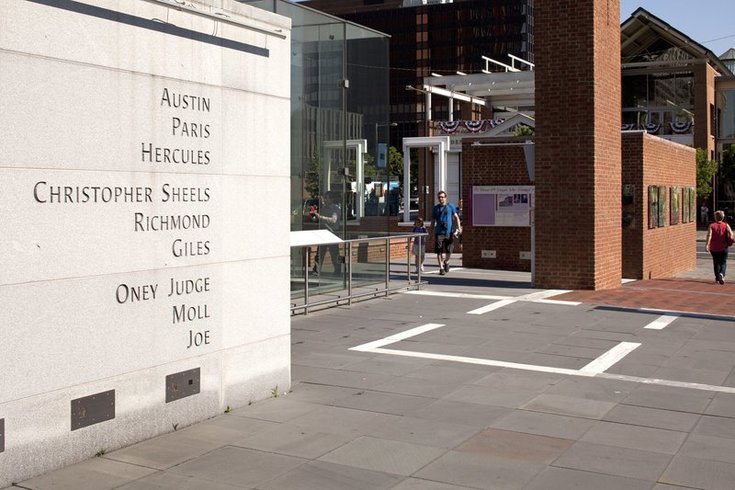
The African American Museum in Philadelphia will launch a new exhibit on June 19 about the life of Ona Judge. Above, Judge's name is inscribed on a wall at the President's House exhibits in Old City.
An upcoming exhibit at the African American Museum in Philadelphia will tell the story of Ona Judge, an enslaved woman owned by George Washington who escaped to freedom, and the historic site which attempts to preserve her legacy.
Officials announced the news Thursday, which was formally designated Ona Judge Day as she left Washington's home at Sixth and Market streets on May 21, 1796. Beginning June 19, the museum will display a film presentation about Judge's story, the President's House and the historical context of Philadelphia's free Black community.
The museum is also using Erica Armstrong Dunbar's book, "Never Caught: The Washingtons' Relentless Pursuit of their Runaway Slave Ona Judge," to incorporate her story in lessons offered through the Free Library of Philadelphia, School District of Philadelphia and Girard College.
The Ona Judge Coalition, the group that worked for the exhibit and the remembrance day, also launched a website.
Judge was enslaved by George Washington during his presidency when he lived in Philadelphia, and she was kept in the state illegally. She served as a chambermaid to Washington's wife, Martha, until 1796, when the couple prepared to return to Virginia at the end of his term. Judge was meant to be a wedding present to Martha Washington's granddaughter, but instead she decided to flee.
Judge left the residence while the family was at dinner. Her friends among the free Black community had previously gathered her belongings and kept them safe. She secured passage on a ship to Portsmouth, New Hampshire. Although she had escaped slavery, she remained a fugitive until her death.
Dunbar, a Philadelphia native, said public exhibits and videos help connect everyday people with the country's history.
"There are some ways that public history like public houses, historical houses, are the most Democratic ways to engage the public with our history," she said. "Anyone can walk by this corner, you don't need to be a college student, you don't need to be literate, to walk by this exhibit and learn, understand, to watch the video screen and tell us the the story about the founding of the nation."
Judge's story is also told at the President's House exhibits, which sits at the Old City site of Washington's mansion and includes information about the nine people enslaved by Washington. The display, which opened in 2010, has been the subject of national debate after the National Park Service removed some of its panels and videos to comply with an executive order from the Trump administration.
In response, the city sued the federal government, claiming changes to the President's House could not be made without city approval. The panels have since been restored following a judge's order, but the court case remains ongoing.
On Wednesday, the National Trust for Historic Preservation announced that it had named the site to its list of America's most endangered historic places and awarded it a $25,000 grant. The funds will go to the Preservation Alliance for Greater Philadelphia, which plans to make a mobile display including a documentary about the site.