






February 11, 2026

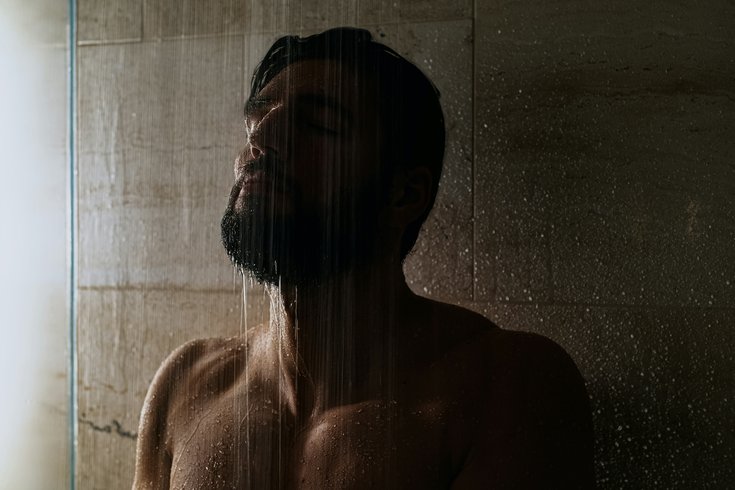 Victor Furtuna/Unsplash.com
Dark showering is a trendy sleep hack, but scientific research into its effectiveness is limited. However, it combines two methods known to help people fall asleep — a warm shower before bedtime and reduced light.
Dark showering, a supposed hack for calming the mind and inducing relaxation for sleep, has been trending on social media.
As the name implies, it involves dimming the lights, or turning them off completely and using a candle as a light source while showering. The low-light combined with the steady stream of warm water helps the body shift into rest mode, social media influencers say.
"Unlike (an early) morning shower, which is typically bright, energizing, and focused on cleansing and awakening the body, a dark shower is a ritual for the nervous system," Nidhi Pandya, bestselling author of "Your Body Already Knows," told Real Simple in October. "By dimming or turning off the lights, you create a sensory cocoon that signals the body to unwind."
Increased risk of slipping or falling may be reasons not to bathe in complete darkness, but people generally tend to take showers in "unnecessarily bright environments," sleep specialist Dr. W. Christopher Winter told Today on Monday.
And plenty of people need help with insomnia.
A 2022 national survey found that 14% of U.S. adults had trouble falling asleep most days or every day over the previous month.
A 2023 report showed that 50-70 million Americans have sleep disorders, and that 1 in 3 people do not get the recommended amount of sleep — 7-8 hours a night for adults.
So is dark showering the answer?
The science behind the practice needs more research, experts seem to agree. But related research suggests people with insomnia who take dark showers in the evening may be improving their chances of a good night's rest.
Taking a warm shower two hours or less before bed has been shown to help induce a rise in core body temperature followed by a decrease in core body temperature, a process that stimulates melatonin production. Melatonin is a hormone the body releases mainly when it's dark, and it helps signal that it's time for sleep, the Cleveland Clinic says.
Some people use melatonin supplements to help them sleep. But taking a warm shower is a safer, non-chemical alternative, health experts say.
"We know that both reduced light exposure in the evening, and warm baths or showers before bed can promote relaxation and support the natural transition to sleep," Shahab Haghayegh, an instructor in anesthesia in the division of sleep medicine at Harvard Medical School, told Everyday Health last month. "So while 'dark showering' itself hasn’t been formally studied as a named practice, it combines two strategies that are physiologically grounded in sleep science."
Dark showering "isn't magic," Haghayegh said, "but it can be a helpful cue to the brain that the day is ending. The most important part is the transition: slowing down, dimming the environment, and letting the body shift toward rest."