






June 09, 2026

 Any Lane/Pexels
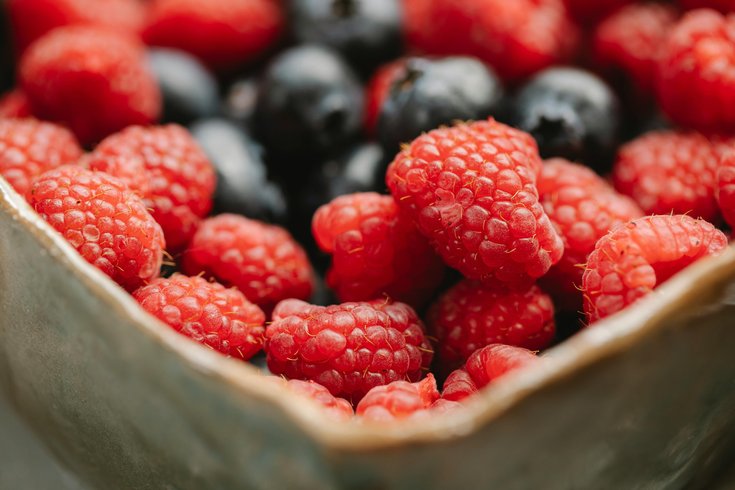
A study shows most people do not consume enough flavanols, an antioxidant plant compound found in some berries, teas, wines and vegetables. Flavanols can help prevent heart disease.
People looking to improve their heart health may not be getting enough of a key ingredient in their daily diets, a new study suggests.
Flavanols are compounds found in a variety of fruits and vegetables that have antioxidant properties, in addition to being linked to lower risk of heart disease, reduced inflammation and lower blood pressure. Research also suggests flavanols may help slow — and possibly improve — cognitive decline related to aging, rather than to Alzheimer's disease.
MORE: No amount of alcohol is safe to drink, new study says — countering federal guidelines
People hoping to gain these benefits must consume enough flavanols, specifically 400 to 600 milligrams a day, according to the American Academy of Nutrition and Dietetics. But the new study, published Monday in the journal Food and Function, found that fewer than 1 in 5 people are getting sufficient flavanols each day to help protect against cardiovascular disease.
The researchers from Harvard Medical School, the University of California Davis, the University of Reading in England and Mars Inc., tracked the diets of about 30,000 people in the United States and the United Kingdom. They gauged flavanol absorption by measuring certain markers in urine tests.
Even among people who ate the recommended two servings of fruit and three servings of vegetables a day, fewer than 25% were consuming 500 milligrams of flavanols on a daily basis.
"Most people assume that eating plenty of fruit and vegetables covers this, but what this research shows is that the specific choices you make matter far more than the total amount," Javier Ottaviani, the study's lead author, said in a news release. "Including a handful of blackberries, a whole apple or having a cup of green tea alongside your meal could make a real difference to how much of these beneficial compounds you actually consume and absorb from the diet."
Further research should explore whether dietary guidelines should be revised to include more specific information about how to maximize flavanol consumption, the researchers said.
Flavanols are one of six naturally-occurring chemicals known as flavonoids found in certain teas, wines, cocoa products, fruits and vegetables. Flavanols, in particular, "act as antioxidants and help protect our cells from oxidative stress and inflammation, both of which are linked to chronic diseases, including heart disease," registered dietitian Grace Derocha told Everyday Health.
Foods rich in flavanols include:
• Lettuce
• Tomatoes
• Onions
• Kale
• Apples
• Grapes
• Berries
• Tea
• Red wine